Electric SUV vs Petrol SUV: The Smart Choice for Modern Drivers
electric SUV vs petrol SUV

Introduction
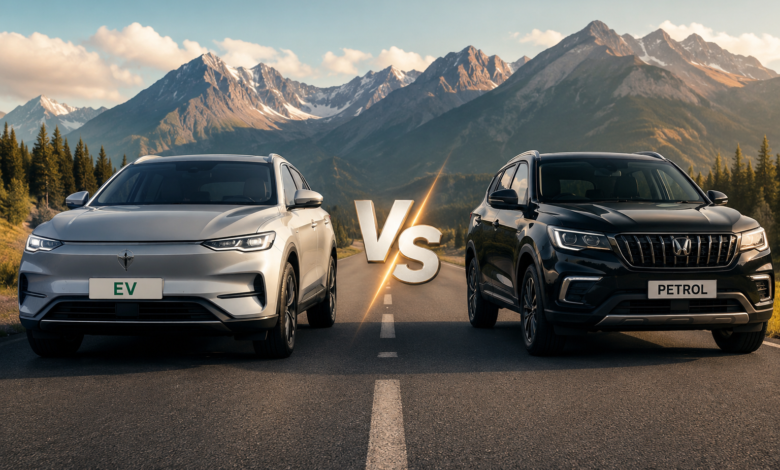
Choosing between an electric SUV vs petrol SUV has become one of the most important decisions for modern car buyers. As electric mobility continues to grow and fuel prices remain unpredictable, many people are wondering which option offers better value, lower running costs, and a more practical ownership experience. Whether you are purchasing your first SUV or replacing an older vehicle, understanding the real-world differences can help you make a confident decision. This comprehensive guide explores every major aspect of the electric SUV vs petrol SUV debate, including cost, performance, maintenance, charging, fuel efficiency, environmental impact, and long-term value so you can determine which SUV makes the most sense for your lifestyle.
Understanding the Difference Between Electric SUVs and Petrol SUVs
The discussion around electric SUV vs petrol SUV starts with understanding how these vehicles operate. An electric SUV uses one or more electric motors powered by a rechargeable battery pack. Instead of filling the vehicle with petrol, owners recharge the battery using home charging equipment or public charging stations.
A petrol SUV, on the other hand, relies on an internal combustion engine that burns petrol to generate power. This technology has been refined over decades and continues to offer reliable performance, widespread fuel availability, and familiar driving characteristics.
Although both vehicle types serve the same purpose, they differ significantly in ownership costs, driving experience, maintenance requirements, emissions, and convenience. Buyers should evaluate these differences based on their daily driving habits rather than focusing only on the purchase price.
Purchase Price and Long-Term Ownership Costs
When comparing electric SUV vs petrol SUV, the purchase price is usually the first factor buyers notice. Electric SUVs generally cost more upfront because battery technology remains one of the most expensive vehicle components. However, looking only at the initial price can be misleading.
Over several years of ownership, electric SUVs often become more economical because electricity usually costs less than petrol on a per-kilometer basis. Drivers who travel long distances every month can recover the higher purchase price through lower energy costs.
Maintenance expenses also differ considerably. Electric vehicles have fewer moving parts, no engine oil, no spark plugs, and fewer fluids requiring regular replacement. This reduces servicing costs over time.
Petrol SUVs typically have lower initial prices but require routine engine maintenance, oil changes, air filter replacements, transmission servicing, and additional mechanical repairs as the vehicle ages. These recurring expenses gradually increase the total cost of ownership.
For buyers planning to keep their vehicle for many years, evaluating lifetime ownership costs provides a much clearer picture than comparing showroom prices alone.
Performance, Driving Experience, and Daily Comfort
Another important aspect of electric SUV vs petrol SUV is performance. Electric SUVs deliver instant torque the moment the accelerator is pressed. This provides quick acceleration, smooth power delivery, and a quiet driving experience.
In city traffic, electric SUVs often feel more responsive because there is no delay from gear changes. The absence of engine vibration also makes driving more comfortable and relaxing.
Petrol SUVs continue to perform well, especially during long highway journeys where continuous driving requires minimal refueling stops. Drivers who enjoy the sound and feel of a traditional engine may still prefer petrol-powered vehicles.
Modern electric SUVs are also designed with advanced battery placement that lowers the vehicle’s center of gravity, improving handling and stability around corners.
When considering electric SUV vs petrol SUV, driving preference plays a major role. Some buyers prioritize silent operation and instant acceleration, while others appreciate the familiar characteristics of petrol engines.
Running Costs, Charging, and Fuel Expenses
Running costs often become the deciding factor in the electric SUV vs petrol SUV comparison.
Electricity prices generally remain more stable than petrol prices, making monthly transportation expenses easier to predict. Charging at home overnight is often the most affordable option, especially for people with dedicated parking spaces.
Public charging infrastructure continues to expand rapidly in many countries. Fast chargers can recharge batteries significantly quicker than older charging systems, making long-distance travel increasingly practical.
Petrol SUVs benefit from an extensive network of fuel stations, allowing drivers to refuel almost anywhere within minutes. This convenience remains one of the strongest advantages of petrol-powered vehicles.
However, rising fuel prices can substantially increase yearly operating expenses, particularly for drivers with long daily commutes.
When evaluating electric SUV vs petrol SUV, buyers should calculate annual mileage, local electricity prices, petrol costs, and charging availability before making a final decision.
Maintenance Requirements and Reliability
Maintenance is another area where electric SUV vs petrol SUV shows noticeable differences.
Electric SUVs have simpler mechanical systems. Without an engine, exhaust system, fuel injectors, clutch, or timing belt, there are fewer components that can fail. Routine servicing generally focuses on brakes, tires, suspension, battery health checks, and software updates.
Regenerative braking also reduces wear on brake pads because the electric motor assists in slowing the vehicle.
Petrol SUVs require scheduled engine servicing to maintain performance and fuel efficiency. Engine oil changes, filters, coolant replacement, spark plugs, belts, and various engine components all contribute to ongoing maintenance costs.
Modern petrol engines are highly reliable when serviced properly, but they naturally contain more moving parts that may require repair over time.
Reliability ultimately depends on manufacturing quality, maintenance history, and driving conditions, but electric vehicles generally require less routine maintenance throughout their lifespan.
Environmental Impact and Sustainability
One of the biggest reasons people compare electric SUV vs petrol SUV is environmental responsibility.
Electric SUVs produce zero tailpipe emissions during operation, helping improve urban air quality and reduce local pollution. As electricity generation increasingly shifts toward renewable energy, electric vehicles become even more environmentally friendly.
Battery manufacturing does create environmental challenges, particularly in mining raw materials such as lithium, nickel, and cobalt. However, continuous improvements in battery recycling and cleaner manufacturing processes are reducing this impact.
Petrol SUVs emit carbon dioxide and other pollutants whenever they are driven. Although modern engines are cleaner than older generations, they still contribute to greenhouse gas emissions.
Drivers seeking to reduce their environmental footprint often find electric SUVs to be the more sustainable long-term option, especially when charged using renewable electricity.
Practicality for Families and Everyday Use
The electric SUV vs petrol SUV comparison should also include practicality.
Many electric SUVs offer spacious interiors because the battery is integrated beneath the floor, allowing designers to maximize cabin space. Families benefit from comfortable seating, flat floors, and generous luggage capacity.
Daily commuting suits electric SUVs particularly well since most drivers travel distances comfortably within modern battery ranges.
Petrol SUVs remain highly practical for drivers who frequently travel to remote locations where charging stations are limited. They are also convenient for spontaneous long-distance road trips because refueling takes only a few minutes.
Climate conditions can also influence ownership. Extremely cold or hot temperatures may temporarily affect electric vehicle range, while petrol vehicles experience fewer noticeable changes in driving distance.
Understanding your personal driving routine is essential before deciding between electric SUV vs petrol SUV.
Battery Life, Resale Value, and Future Technology
Battery durability is a common concern in the electric SUV vs petrol SUV discussion.
Fortunately, modern electric vehicle batteries are engineered to last many years. Most manufacturers provide lengthy battery warranties, giving buyers greater confidence in long-term ownership.
Battery technology continues to improve every year with better energy density, faster charging capabilities, and longer driving ranges. These advancements are making electric SUVs increasingly attractive.
Resale values depend on market demand, technological developments, and brand reputation. As electric vehicle adoption continues to grow, resale performance has improved for many popular models.
Petrol SUVs still maintain strong resale value in regions where charging infrastructure is developing slowly. However, future government policies encouraging cleaner transportation may gradually increase demand for electric vehicles.
Anyone evaluating electric SUV vs petrol SUV should also consider how automotive technology is expected to evolve over the next decade.
Which SUV Makes More Sense for Different Buyers?
The answer to electric SUV vs petrol SUV depends largely on individual needs rather than a universal winner.
Drivers with predictable daily commutes, home charging access, and a desire for lower running costs will often benefit from choosing an electric SUV. They enjoy quieter driving, reduced maintenance, and lower energy expenses.
Buyers who regularly drive extremely long distances, frequently travel through remote regions, or require rapid refueling convenience may find petrol SUVs more suitable.
Urban residents can often maximize the benefits of electric ownership because city driving allows regenerative braking to improve efficiency while reducing brake wear.
Meanwhile, rural drivers should carefully evaluate local charging infrastructure before making their decision.
Instead of asking which technology is better overall, buyers should ask which technology better supports their personal lifestyle, travel habits, and long-term financial goals.
Conclusion
The debate surrounding electric SUV vs petrol SUV is no longer simply about choosing between old and new technology. It is about selecting the vehicle that best aligns with your budget, driving habits, environmental priorities, and future plans. Electric SUVs offer lower running costs, quieter operation, fewer maintenance requirements, and cleaner driving, making them an excellent option for many modern families.
Petrol SUVs continue to provide familiar performance, widespread refueling convenience, and dependable long-distance capability. Carefully evaluating your daily mileage, charging accessibility, maintenance expectations, and ownership goals will help you determine which option delivers the greatest value. Ultimately, the right choice in the electric SUV vs petrol SUV comparison is the one that fits your lifestyle today while preparing you for tomorrow.
FAQs
Which is cheaper to own in the long run, an electric SUV or a petrol SUV?
In most cases, an electric SUV becomes cheaper over long-term ownership because electricity costs are generally lower than petrol prices, and maintenance requirements are significantly reduced. Although the purchase price may be higher initially, many owners recover that difference through savings on fuel and servicing over several years.
Is an electric SUV suitable for long-distance travel?
Yes, modern electric SUVs can handle long-distance journeys effectively, especially where fast-charging infrastructure is well developed. Drivers simply need to plan charging stops in advance. Petrol SUVs still offer greater convenience in regions with limited charging networks.
Do electric SUV batteries need frequent replacement?
No. Most modern electric SUV batteries are designed to last many years and are backed by extensive manufacturer warranties. Battery technology has improved considerably, and many batteries continue performing efficiently even after high mileage.
Which vehicle requires less maintenance?
Electric SUVs generally require less maintenance because they have fewer moving mechanical parts. There is no need for engine oil changes, spark plug replacement, or exhaust system servicing. Routine maintenance mainly includes tires, brakes, suspension, and battery inspections.
Which option is better for first-time SUV buyers?
The best choice depends on individual circumstances. Buyers with access to home charging, moderate daily driving distances, and long-term ownership plans often benefit from an electric SUV. Those who frequently travel long distances in areas without reliable charging infrastructure may find a petrol SUV to be the more practical solution.
More EV Car Guides: Read more electric vehicle news, buying guides, reviews, and ownership tips on magazinerock.co.uk.

One Comment