Leapmotor B10 Range Explained: Real-World Miles vs Official Figures
Leapmotor B10 Range

Introduction
Leapmotor B10 Range is one of the first specifications many potential buyers look at when considering this new electric SUV. While official laboratory figures provide a useful benchmark, they rarely reflect the conditions experienced on UK and European roads. Understanding how weather, speed, traffic and charging habits influence range is far more valuable when deciding whether the B10 fits your lifestyle.
In this guide, we’ll explain the difference between official and real-world figures, what affects efficiency, how the B10 compares with key rivals, and what prospective owners should realistically expect.
Quick Answer
The Leapmotor B10 Range is based on official WLTP testing, but everyday driving typically delivers a lower figure depending on speed, temperature, terrain and driving style. Urban driving often comes closest to the official estimate, while sustained motorway journeys and cold winter conditions generally reduce achievable range. Buyers should focus on realistic day-to-day usability rather than the headline WLTP number alone.
At-a-Glance Summary
| Category | Summary |
|---|---|
| Vehicle Type | Compact electric SUV (C-segment) |
| Official Range | Depends on battery version (refer to latest manufacturer specifications) |
| Real-World Range | Typically lower than WLTP under normal driving conditions |
| Best Driving Environment | Mixed urban and suburban journeys |
| Long-Distance Suitability | Good with appropriate charging planning |
| Charging Strategy | Regular DC rapid charging for longer trips; home AC charging for everyday use |
Leapmotor B10 Range: Official Figures vs Real-World Driving
WLTP (Worldwide Harmonised Light Vehicle Test Procedure) provides a standardised method for comparing electric vehicles under controlled conditions. It is useful for comparing models but should not be treated as a guaranteed everyday result.
Real-world range depends on several variables:
- Average driving speed
- Outside temperature
- Passenger and luggage weight
- Tyre pressures
- Road gradients
- Use of cabin heating or air conditioning
- Wind conditions
- Driving style
For many modern electric SUVs, mixed real-world driving often delivers around 70–90% of the official WLTP figure, although the exact result varies by vehicle and conditions. This should be viewed as a general industry observation rather than a confirmed performance figure for the B10.
Urban traffic can actually improve efficiency thanks to regenerative braking and lower average speeds. By contrast, sustained motorway driving at UK motorway speeds usually increases energy consumption because aerodynamic drag rises significantly as speed increases.
What Affects the Leapmotor B10 Range Most?
Motorway Driving
Motorway journeys are usually the biggest factor reducing EV range.
At 70 mph, the electric motor must work considerably harder to overcome air resistance than it does around town. Drivers who regularly cover long motorway distances should expect lower efficiency than the official WLTP figure suggests.
Winter Temperatures
Cold weather affects all battery-electric vehicles.
Lower temperatures reduce battery efficiency while increasing demand for cabin heating and window demisting. As a result, winter driving generally delivers fewer miles per charge than summer conditions.
If the B10 is equipped with a heat pump on certain specifications or markets, this may help reduce winter energy consumption compared with conventional resistive heating. Buyers should check the specification of their chosen trim, as availability may vary.
Driving Style
Smooth acceleration and anticipation make a noticeable difference.
Frequent hard acceleration, high cruising speeds and aggressive braking consume more energy than gradual inputs combined with effective regenerative braking.
Terrain
Long climbs increase electricity consumption, although some energy can be recovered through regenerative braking during descents.
Battery and Charging
Leapmotor has not publicly confirmed every market-specific battery specification at the time of writing. Prospective buyers should verify the latest official figures for their country before ordering.
When assessing battery specifications, consider:
- Gross battery capacity versus usable capacity
- Battery chemistry
- Charging curve consistency rather than peak charging speed alone
- Thermal management system
- Battery preconditioning (where available)
Rapid charging performance depends on battery temperature, charger capability and state of charge. Manufacturers typically quote peak charging speeds achieved only under ideal conditions, so average charging performance over a session is often a more useful measure for owners.
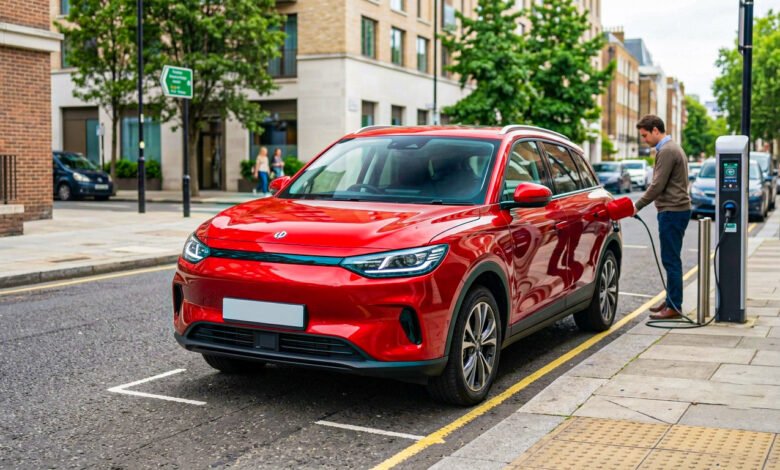
For everyday use, home AC charging remains the most convenient and cost-effective solution where off-street parking is available.
Is the Leapmotor B10 Suitable for Long-Distance Driving?
For many drivers, yes.
The deciding factor is less about the headline range and more about access to reliable charging infrastructure.
Drivers covering occasional motorway trips should find a modern electric SUV capable of handling longer journeys with planned charging stops.
Fleet users travelling hundreds of motorway miles each week may wish to compare the B10’s charging performance and efficiency against alternatives before making a purchasing decision.
Practical UK Ownership Considerations
When evaluating the Leapmotor B10 Range, think beyond official laboratory testing.
Questions worth asking include:
- Can you charge at home?
- How often do you travel more than 200 miles in one day?
- Do you regularly drive on motorways?
- Will the vehicle be used during winter mornings?
- Is public rapid charging available on your usual routes?
For many households, overnight home charging means the vehicle begins each day with a full battery, reducing the importance of achieving the absolute maximum range.
Technology That Can Improve Efficiency
Modern EVs use several technologies to maximise driving range.
These may include:
- Regenerative braking
- One-pedal driving
- Intelligent route planning
- Battery thermal management
- OTA (Over-the-Air) software updates
- Energy-efficient climate control
- Heat pump (where fitted)
Software updates can also improve energy management over time, although manufacturers rarely guarantee measurable increases in driving range.
How Does It Compare with Rivals?
| Model | Position in Market |
|---|---|
| BYD Atto 3 | Strong value-focused electric SUV competitor |
| MG S5 EV | Affordable family SUV with competitive ownership costs |
| Kia EV3 | Emphasis on efficiency and technology |
| Hyundai Kona Electric | Established reputation for real-world efficiency |
| Skoda Elroq | Practical European family SUV alternative |
Rather than focusing solely on official range, buyers should compare:
- Charging performance
- Efficiency
- Cabin practicality
- Warranty
- Software support
- Dealer network
- Ownership costs
These factors often have a greater impact on long-term satisfaction than a modest difference in WLTP figures.
Expert Buying Advice
If your daily commute is well within the vehicle’s practical range, chasing the largest battery may not always represent the best value.
Instead, consider:
- Your average weekly mileage
- Charging availability
- Purchase price
- Long-term running costs
- Expected resale value
A smaller battery can be entirely suitable for drivers who mainly complete local journeys and recharge regularly.
Expert Verdict
The Leapmotor B10 Range should be viewed as one part of a broader ownership picture rather than the single deciding factor.
Official WLTP figures are useful for comparing vehicles, but real-world efficiency, charging convenience and everyday usability matter far more once the car is on your driveway. Prospective buyers should verify the latest manufacturer specifications for their chosen market, compare charging performance with key rivals and choose the battery option that matches their typical driving habits rather than simply selecting the version with the highest quoted range.
Who Should Buy?
- Drivers moving from a petrol or diesel family SUV
- Commuters with home charging
- Families seeking a practical electric crossover
- Fleet operators evaluating value-focused EVs
Who Should Look Elsewhere?
- Drivers who regularly cover very high motorway mileages and prioritise the fastest possible charging performance
- Buyers requiring an extensive established dealer network in every region
Best Use Case
Daily commuting, family use, mixed urban and suburban driving, and occasional long-distance journeys with planned rapid charging.
More EV Car Guides: Read more electric vehicle news, buying guides, reviews, and ownership tips on magazinerock.co.uk.
FAQs
What is the official Leapmotor B10 Range?
The official Leapmotor B10 Range depends on the battery version and market. Buyers should refer to the latest manufacturer specifications for the most accurate WLTP figure applicable to their vehicle.
What real-world Leapmotor B10 Range can I expect?
Real-world Leapmotor B10 Range is typically lower than the official WLTP estimate because everyday driving includes higher speeds, changing weather and varying road conditions. Urban use generally comes closest to the official figure.
Does motorway driving significantly reduce range?
Yes. Sustained motorway speeds usually increase energy consumption due to aerodynamic drag, meaning fewer miles per charge than mixed or urban driving.
Is winter range noticeably lower?
Yes. Cold weather reduces battery efficiency and increases heating demand, which can reduce available driving range compared with warmer conditions.
Is the Leapmotor B10 suitable for family road trips?
For many families, yes. Long journeys are increasingly practical when planned around reliable rapid charging locations, although charging performance and infrastructure remain important considerations.