
Introduction
Many new owners ask if they can charge ev with extension lead uk setups at home. It’s a common question, especially for convenience in daily life.
But safety comes first. Using household items for high-power tasks can be dangerous. Understanding the risks is key for every driver.
So, can you charge an electric car with an extension cable? The answer is no. Household gear can’t handle the high power needed by your car. We aim to show the difference between quick fixes and safe, professional setups.
Asking can you charge an electric car with an extension cable? is a step towards better habits. Let’s look at how to keep your home safe while keeping your battery charged efficiently.
Key Takeaways
- Standard household cables are not designed for the high power demands of modern vehicles.
- Using improper equipment can cause overheating and potential fire risks in your home.
- Always favour dedicated, wall-mounted units for a reliable and safe power supply.
- Consult a professional electrician to assess your home wiring before installing any hardware.
- Prioritising safety ensures your vehicle remains in top condition for years to come.
Understanding the Risks of Using an Extension Lead
Using an extension lead to charge your electric car might seem handy. But, it’s not without risks. Many think if a plug fits, it’s safe. This is a dangerous mistake.
We want to keep you safe while charging at home. Using standard gear for high-power tasks can lead to ev charging extension lead fire risk. Many ignore this until it’s too late.
The Dangers of Overheating and Fire Hazards
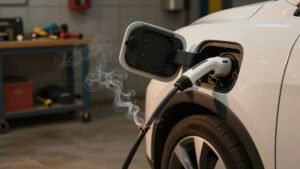
Electric cars need a lot of power to charge their batteries. Using a cable not made for this can cause problems.https://magazinerock.co.uk/best-ev-route-planner-apps-uk/
This stress can lead to an ev charging extension lead fire risk. As the cable gets hot, the insulation can melt. This can cause short circuits or even fires.
Here are some dangers of using the wrong leads:
- Excessive heat buildupwithin the cable coils.
- Potential for melting plastic casingand exposed wires.
- Increased likelihood of electrical firesin your garage or driveway.
- Damage to your vehicle’s onboard charging port due to voltage drops.
Why Standard Household Cables Are Not Suitable
Household extension leads are made for low-power items like lamps. They can’t handle the power needed for an electric vehicle battery.
These cables don’t have the heavy-duty shielding or thick copper wiring needed for EVs. They’re not built for the constant, heavy load EVs need during charging.
Using these cables is risky. It’s safer to get gear made for your electric vehicle’s needs.
Can You Charge an Electric Car With an Extension Lead UK Safely?
Many people wonder if they can charge an EV with an extension lead UK safely. The idea of reaching a socket far away is appealing. Yet, we must think about the technical side of charging electric cars.
Most household cables can’t handle the power needed by electric vehicles. They are not built for the high-voltage charging these cars require.
The Importance of Using Dedicated EV Equipment
Electric cars need a steady flow of electricity to charge well. Special charging gear is made to talk to your car’s battery management system. This ensures the power is right for your car’s needs.
Using the right equipment is safer than regular cables. It has features like:
- Real-time monitoringof temperature to prevent overheating.
- Automatic shut-off features if a fault is detected in the circuit.
- Weather-resistant designs suitable for outdoor environments.
- Optimised copper thickness to reduce resistance and energy loss.
Why Manufacturers Generally Advise Against Extension Leads
Car makers say not to use extension leads to keep the charging system safe. Using an extension lead UK can weaken the electrical flow. This can confuse your car’s computer and stop charging.
Also, extension leads aren’t made for the heat of EV charging. This can melt the plastic or damage the wiring, leading to fires. It’s best to use approved charging cables and wall units for your car’s safety.
Identifying the Right Equipment for Your Needs
Starting with electric cars can be confusing, especially when it comes to charging accessories. Choosing the right equipment is essential for safety and performance. The wrong gear can cause serious electrical problems, so quality and durability are key.
What Defines a Heavy Duty Extension Cable for EV Charging
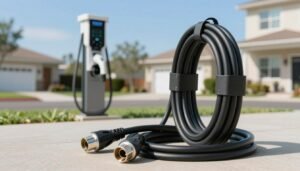
A heavy duty extension cable for ev charging is made for high current needs. It has thicker copper wiring, known as a larger gauge. This design reduces resistance and keeps the cable cool during long charges.
Insulation quality is also crucial. Look for cables with robust, heat-resistant outer sheaths. A good product ensures your car gets power without risking your home’s safety.
Key Features of a Weatherproof EV Extension Lead UK
In the UK, our gear must handle rain and damp. A reliable weatherproof ev extension lead uk has sealed connectors to keep out moisture. This is important because water and electricity are dangerous together.
When looking for the best extension cord for ev charging uk, check for reinforced cable glands and tight-fitting caps. These keep the inside dry and secure. Peace of mind comes from knowing your gear is made for the British weather.
Understanding IP Ratings for Outdoor Use
To find safe outdoor gear, look for the Ingress Protection (IP) rating. This code shows how well the device resists dust and water. For outdoor charging, choose a product with an IP65 or higher rating to protect against water jets and debris.
Always check the rating on the packaging before buying. A good weatherproof ev extension lead uk will show its certification clearly. Remember, safety is always the most important thing when charging outside.
Technical Specifications to Look For
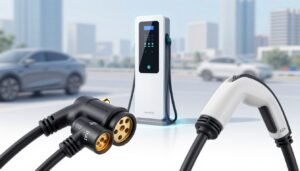
Technical integrity is key for a safe electric vehicle charging experience. We must look beyond the surface to understand the internal components. Precision in our choices prevents risks and ensures efficient charging.
Why Cable Gauge and Length Matter
The cable gauge, or the thickness of the copper wiring, is crucial. If it’s too thin, it causes excessive resistance and a voltage drop. This forces the system to work harder, leading to overheating during long charges.
Length also affects performance. As distance increases, energy loss grows. We should choose the shortest cable length to maintain optimal electrical efficiency and safety.
| Cable Feature | Importance | Safety Impact |
| Cable Gauge | Determines current capacity | Prevents overheating |
| Cable Length | Reduces resistance | Minimises voltage drop |
| Insulation Quality | Protects internal wires | Prevents short circuits |
The Role of Residual Current Devices (RCDs)
Protective measures like RCDs are also important. A Residual Current Device, or RCD, acts as a vital safety barrier. It monitors the balance of electrical current and cuts power in a fraction of a second if it detects a fault.
“The integration of RCD technology is not merely a recommendation; it is a fundamental requirement for any outdoor electrical installation to protect users from potential shock hazards.”
— Electrical Safety Council
It’s important to have our charging points on a dedicated circuit with a high-quality RCD. This simple addition gives us peace of mind, knowing our system is safe for modern electric vehicle charging.
Comparing Charging Solutions
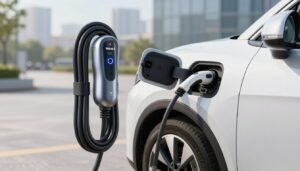
Choosing between temporary and permanent charging solutions is a common dilemma. The right choice depends on your daily driving habits and your home’s electrical setup.
Electric Car Charger Extension Cable Type 2 vs. Standard Plugs
Standard plugs and electric car charger extension cable type 2 are quite different. Household plugs are for low-power items and can’t handle the high current needed for car charging.
An electric car charger extension cable type 2 has advanced tech. It lets the car and charger communicate, ensuring safe and controlled charging.
- Safety:Type 2 cables stop power flow if not connected right.
- Efficiency:They handle high currents without overheating.
- Compatibility:Most UK electric cars use Type 2.
When to Consider Installing a Dedicated Wallbox
While temporary solutions are tempting, a dedicated wallbox is usually better. A wallbox offers a faster, more reliable connection, avoiding messy cables on your driveway.
| Feature | Standard Plug | Dedicated Wallbox |
| Charging Speed | Slow | Fast |
| Safety Level | Moderate | High |
| Installation | None | Professional |
Think about a wallbox if you drive daily or want smart charging features. These systems can charge during off-peak hours, saving you money and ensuring your car is ready each morning.
Best Practices for Outdoor EV Charging
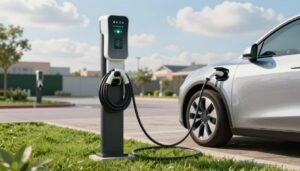
Setting up an outdoor ev charging cable extension means focusing on safety and keeping things tidy. A little preparation can save your equipment from damage. By following these easy steps, we make sure our charging is both quick and safe.
Positioning Your Cable to Prevent Damage
How we lay out our cables is crucial to avoid damage. We should keep cables away from busy paths to avoid tripping. If a cable must cross a path, use a heavy-duty rubber protector to protect it.
Also, make sure cables aren’t squished by garage doors or gates. Always avoid sharp bends in cables to prevent damage. When not in use, keep cables suspended or neatly coiled to keep them in good shape.
Managing Moisture and Environmental Factors
Keeping our electrical connections dry is key when charging outdoors. Even if our gear is made for the outdoors, we should avoid water and heavy rain. Keeping plugs elevated helps prevent moisture from getting in.
Regularly check our cables for signs of wear from the sun. If we spot any damage, stop using it right away to avoid electrical issues. Keeping our area clean and dry helps our charging setup stay in optimal condition all year.
Legal and Insurance Implications in the UK
Protecting our homes and vehicles is more than just using the right cable. We must also know our legal duties. Changing how we charge our cars can affect our safety and money. It’s important to read the small print to avoid big problems later.

Checking Your Home Insurance Policy
Many think their home insurance covers all electrical stuff. But, this isn’t always true. We should talk to our insurance companies to see if they need us to use special leads for charging cars. Failing to tell them about non-standard charging could mean they won’t pay if something goes wrong.https://www.gov.uk/electric-vehicle-chargepoint-grant-household?utm_source=chatgpt.com
It’s a good idea to check if your policy covers professional installation or only approved hardware. If your policy says all charging gear must be installed by a certified electrician, using a DIY lead might not be covered. Always keep records of your charging gear to show you’ve done the right thing.
Compliance with Electrical Safety Regulations
In the UK, electrical safety rules are very strict, especially the BS 7671 wiring regulations. We must make sure our charging methods don’t harm our home’s electrical system. Using the wrong gear can lead to serious problems, like damage or injury.
Following these rules is not just to avoid fines. It’s to keep our homes safe. If we use an extension lead, it must be safe and meet local codes. If unsure, getting a qualified electrician’s advice is the best way to make sure we’re doing it right.
| Risk Factor | Potential Consequence | Mitigation Strategy |
| Unapproved Cables | Voided Insurance | Check policy terms |
| Non-compliant Wiring | Fire Hazard | Use certified equipment |
| Lack of RCD | Electrical Shock | Install safety devices |
| DIY Installation | Liability Claims | Hire professional help |
Conclusion
Reliable power delivery is key for a good experience with electric vehicles in the UK. See your charging setup as a long-term investment in your vehicle and home safety.
Choosing purpose-built hardware from brands like Rolec or EO Charging gives you peace of mind. These systems manage energy flow well, protecting your car battery and wiring.
Check if your current setup meets safety standards. Making small changes or upgrading to a dedicated wallbox can make a big difference for years.
We want you to enjoy the switch to electric cars with confidence. If you have questions, talk to a certified electrician. Staying informed makes your journey smooth, efficient, and safe every time.
FAQ
Can you charge an electric car with an extension cable safely?
It’s technically possible, but we must be very careful. To charge an EV safely in the UK, use a heavy-duty extension cable made for EVs. These cables can handle high currents. DIY store cables are not strong enough and can get too hot.
What is the primary EV charging extension lead fire risk we should be aware of?
The main risk is from heat. EVs use a lot of current for hours, which can make cables hot. If the cable is not the right size, it can melt and cause a fire. Always check the temperature of your plugs and sockets when using a temporary setup.
How do we identify a high-quality weatherproof EV extension lead UK?
Look for an IP66 rating for weatherproofing. This means the connections are safe from water jets and dust. A good EV extension lead will also have a 2.5mm² cable and quality components to avoid voltage drop.
Is an electric car charger extension cable Type 2 better than a standard 3-pin lead?
Yes, it is. Type 2 cables are made for EVs and can handle more power than a 3-pin plug. They allow for safer and more efficient charging, especially for cars like the Kia EV6 or Audi e-tron.
What precautions should we take when using an outdoor EV charging cable extension?
Always keep the cable unwound to avoid heating. Place it where it won’t get damaged or be a hazard. Use a cable ramp if it crosses a pavement. Keep connections dry in a weatherproof box.
Will using an extension lead affect my vehicle warranty or home insurance?
This is a big worry. Many car makers say not to use extension leads. If a fire happens, your insurance might not cover it. Always check with your insurer and consider a dedicated charger for safety.


One Comment