Introduction
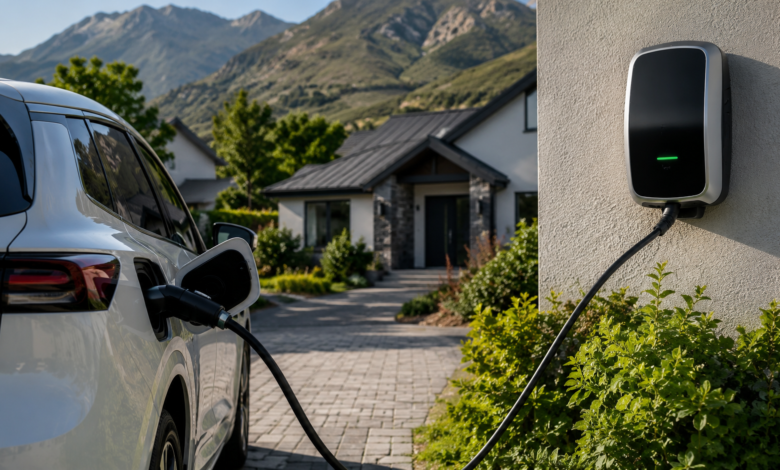
Choosing the right EV charger power rating is one of the most important decisions for any electric vehicle owner in the UK. The charger you install at home directly affects charging speed, electricity usage, convenience, and long-term running costs. While many homeowners focus only on buying an electric vehicle, understanding how charger power works can help you make a smarter investment. Whether you are installing your first charger or upgrading an existing unit, knowing the right EV charger power rating ensures safe, efficient, and future-ready charging. This guide explains everything UK homeowners need to know, including charger types, installation requirements, charging speeds, benefits, challenges, and expert recommendations.
What Is EV charger power rating?
The EV charger power rating refers to the amount of electrical power that an EV charger can deliver to your electric vehicle. It is measured in kilowatts (kW), and a higher rating generally means faster charging, provided your vehicle can accept that level of power.
In UK homes, the most common charger ratings include 3.6kW, 7kW, and 22kW. Among these, the 7kW charger has become the standard choice because it offers an excellent balance between charging speed, affordability, and compatibility with most domestic electrical systems.
Understanding your EV charger power rating helps you estimate charging times more accurately. For example, a vehicle with a 60kWh battery may take around 16 to 18 hours using a 3.6kW charger, while a 7kW charger can reduce this to approximately 8 to 9 hours.
The charging speed also depends on factors such as battery size, onboard charger capacity, battery temperature, and the condition of your home’s electrical supply.
Why the Right EV charger power rating Matters
Selecting the correct EV charger power rating offers more benefits than simply reducing charging time. It affects the overall ownership experience and ensures your charging system meets both current and future needs.
A properly selected charger provides reliable overnight charging without placing unnecessary strain on your home’s electrical installation. Most UK households can comfortably support a 7kW charger with professional installation.
Another advantage of choosing the correct EV charger power rating is improved energy efficiency. Smart chargers can schedule charging during off-peak electricity tariffs, helping homeowners lower energy costs while reducing pressure on the national electricity grid.
Future-proofing is another consideration. If you plan to purchase another electric vehicle or upgrade to a larger battery model, installing the right charger today can save significant upgrade costs later.
Understanding Different Home Charger Power Ratings
Different households have different charging requirements, making it important to understand available charger options before making a decision.
3.6kW Chargers
A 3.6kW charger is suitable for drivers with low daily mileage. Although charging takes longer, it remains a practical solution for smaller electric vehicles or plug-in hybrid cars.
7kW Chargers
The 7kW option is the most popular EV charger power rating in the UK. It provides fast overnight charging for most electric cars and works efficiently with standard single-phase household electricity supplies.
Many manufacturers recommend this rating because it delivers consistent charging performance while keeping installation costs reasonable.
22kW Chargers
A 22kW charger delivers significantly faster charging but requires a three-phase electrical supply, which is uncommon in most UK homes. Unless your property already has three-phase power or you require rapid charging for multiple vehicles, this option may involve substantial electrical upgrades.
Understanding these differences allows homeowners to choose an EV charger power rating that aligns with their driving habits and property infrastructure.
Factors That Influence Charging Performance
Although the EV charger power rating plays a major role in charging speed, several other factors affect actual performance.
Your vehicle’s onboard charger determines the maximum charging rate it can accept. For instance, even if you install a 22kW charger, a vehicle with a 7kW onboard charger will only charge at 7kW.
Battery size also affects charging duration. Larger batteries naturally require more time to reach full capacity.
Weather conditions influence charging efficiency as well. Cold temperatures may temporarily reduce charging speed while the battery management system protects battery health.
The quality of your home’s electrical installation also matters. Professional installers perform load assessments to ensure the chosen EV charger power rating operates safely without overloading existing circuits.
Installation Considerations for UK Homes
Installing the correct EV charger power rating requires more than simply selecting a charger from a catalogue.
A qualified installer will inspect your property’s consumer unit, available electrical capacity, earthing arrangements, and cable routes before installation.
Modern smart chargers comply with UK safety regulations and include features such as automatic load balancing, remote monitoring, scheduled charging, and energy tracking.
Location is another important factor. Installing the charger close to your regular parking space improves convenience while reducing cable lengths and installation complexity.
Homeowners should also consider future expansion. Choosing a charger that supports software updates and smart energy management ensures better long-term value.
Benefits and Challenges of Choosing the Right EV charger power rating
Selecting the appropriate EV charger power rating offers numerous practical advantages.
Faster overnight charging provides greater convenience, allowing drivers to start each day with a fully charged battery. Smart charging features help reduce electricity bills by automatically charging during lower tariff periods.
Proper charger sizing also extends equipment lifespan because the charger operates within its intended performance range.
However, there are challenges. Higher-rated chargers may require electrical upgrades that increase installation costs. Some older homes may need consumer unit improvements before installation.
Compatibility can also become confusing since charging speed depends on both the charger and the vehicle’s onboard charging capability.
Consulting an experienced EV installer helps eliminate uncertainty and ensures the selected EV charger power rating matches your property’s electrical capacity.
Expert Tips for Choosing the Best EV charger power rating
Industry professionals generally recommend assessing your daily driving distance before selecting a charger.
Drivers travelling fewer than 30 miles per day may find slower chargers sufficient, while commuters covering longer distances benefit from the convenience of a 7kW charger.
Consider your electricity tariff as well. Smart chargers combined with off-peak pricing can generate noticeable annual savings.
Think about future vehicle purchases. Installing a charger with modern smart features and flexible software support helps protect your investment.
Most importantly, never attempt DIY installation. Professional installation ensures compliance with UK electrical regulations while protecting your home, vehicle, and insurance coverage.
Conclusion
Understanding the EV charger power rating is essential for every UK homeowner planning to install an electric vehicle charger. The correct charger improves charging efficiency, reduces energy costs, supports battery health, and prepares your home for the future of electric mobility. While factors such as battery size, onboard charger capacity, and household electrical infrastructure all influence charging performance, selecting the appropriate EV charger power rating remains the foundation of a reliable home charging system. By carefully evaluating your driving habits, home electrical setup, and long-term needs, you can confidently choose a charger that delivers convenience, safety, and excellent value for years to come.
More EV Car Guides: Read more electric vehicle news, buying guides, reviews, and ownership tips on magazinerock.co.uk.
(FAQs)
What is the best EV charger power rating for most UK homes?
A 7kW charger is considered the best option for most UK households because it provides efficient overnight charging while remaining compatible with standard single-phase electrical systems.
Can a higher EV charger power rating damage my electric vehicle?
No. Modern electric vehicles automatically regulate how much power they accept. The vehicle only draws the maximum power supported by its onboard charging system.
Does every UK home support a 7kW EV charger power rating?
Most modern UK homes can support a 7kW charger, although a professional electrical assessment is recommended before installation.
Is a 22kW EV charger power rating worth installing at home?
For most homeowners, no. A 22kW charger requires a three-phase electricity supply, which is uncommon in residential properties and often expensive to install.
How often should I upgrade my EV charger power rating?
You only need to upgrade if your charging requirements change significantly, such as purchasing a new electric vehicle with higher charging capability or installing additional home charging points.