Discover the Truth About EV charger WiFi requirements: Do You Really Need WiFi?
EV charger WiFi requirements

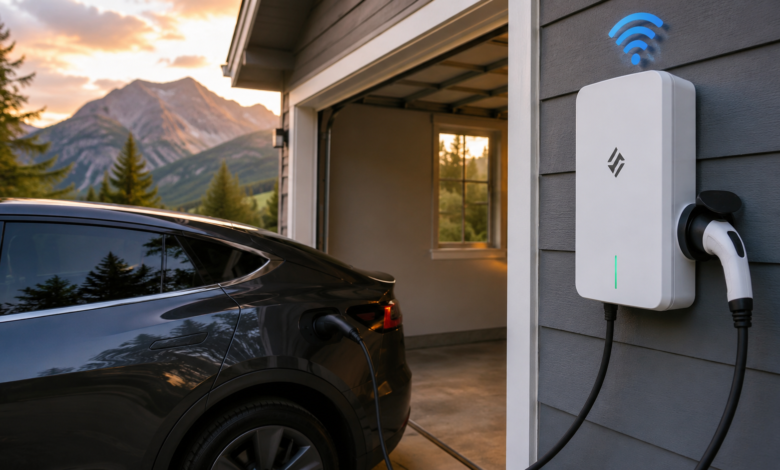
Table of Contents
ToggleIntroduction
If you’re planning to install an electric vehicle charger at home, you have probably wondered about EV charger WiFi requirements. Many modern chargers advertise smart features that rely on an internet connection, while others work perfectly well without WiFi. This often leaves EV owners confused about whether WiFi is essential or simply a convenient extra. The truth is that the answer depends on your charging habits, the type of charger you choose, and the features you expect. Understanding EV charger WiFi requirements will help you make an informed decision, avoid unnecessary expenses, and choose a charging solution that fits your lifestyle today and in the future.
What Are EV charger WiFi requirements?
When people talk about EV charger WiFi requirements, they are referring to whether an EV charger needs a wireless internet connection to function properly. The answer is straightforward: every EV charger does not require WiFi to charge your vehicle. A basic Level 1 or Level 2 charger can supply electricity to your electric vehicle without connecting to the internet.
However, many modern smart chargers include advanced features that rely on WiFi. These features improve convenience, provide better energy management, and allow homeowners to monitor charging activity remotely. Understanding EV charger WiFi requirements is important because it helps separate essential charging functions from optional smart capabilities.
A standard charger focuses on delivering power safely and efficiently. Once connected to your vehicle, charging begins according to the charger’s settings or the vehicle’s charging schedule. Internet access is not required for this core function.
On the other hand, a smart charger communicates with a mobile application or cloud-based platform. This communication allows users to receive charging notifications, review energy usage, schedule charging sessions, and install firmware updates that improve performance over time.
Before purchasing an EV charger, consider how you plan to use it. If you simply need dependable overnight charging, WiFi may not be necessary. If you want greater control and additional insights, understanding EV charger WiFi requirements becomes much more valuable.
Why Many Smart EV Chargers Use WiFi
The growing popularity of smart home technology has influenced the design of EV chargers. Manufacturers now include WiFi connectivity because it enhances the user experience rather than because charging itself depends on the internet.
One of the biggest advantages is remote monitoring. Instead of checking your vehicle in the garage, you can open a smartphone app to see whether charging has started, how much energy has been delivered, and when charging will finish. These real-time updates provide convenience, especially for busy households.
Another important benefit is scheduled charging. Many electricity providers offer lower electricity rates during off-peak hours. A WiFi-enabled charger allows users to schedule charging automatically during these cheaper periods, helping reduce monthly electricity costs. Understanding EV charger WiFi requirements can therefore contribute to long-term savings.
Software updates are another reason manufacturers recommend WiFi. Smart chargers occasionally receive firmware improvements that enhance charging efficiency, improve compatibility with newer electric vehicles, strengthen cybersecurity, and introduce new features. Without an internet connection, these updates may require manual installation or may not be available at all.
Some homeowners also install solar panels. Smart chargers connected through WiFi can coordinate charging with periods of high solar energy production, maximizing renewable energy usage while reducing dependence on the electrical grid. As home energy systems become more advanced, EV charger WiFi requirements become increasingly relevant for homeowners seeking better energy management.
When You Do Not Need WiFi for Your EV Charger
Although smart features are attractive, there are many situations where WiFi is completely unnecessary. The primary purpose of an EV charger is to safely transfer electricity to your vehicle, and this process does not require an internet connection.
Many drivers charge their vehicles overnight using the same routine every day. They plug in after returning home and unplug before leaving the next morning. For these users, a reliable non-smart charger often provides everything they need without additional complexity.
Homes with unreliable internet service may also benefit from a charger that operates independently of WiFi. Even if the internet goes offline, the charger continues delivering power to the vehicle without interruption. This reliability makes non-connected chargers appealing in rural areas or locations where internet outages occur frequently.
Some EV owners also prioritize simplicity. They may not need charging reports, smartphone notifications, or cloud-based account management. Instead, they prefer equipment that performs one task consistently and efficiently. In these cases, understanding EV charger WiFi requirements helps avoid paying for features that will rarely be used.
Privacy is another consideration. While reputable manufacturers implement strong security measures, some users prefer minimizing internet-connected devices within their homes. Choosing a charger without WiFi can reduce digital exposure while still providing dependable daily charging.
Finally, workplace chargers, vacation properties, or secondary residences may only require basic charging functionality. If advanced monitoring and scheduling are unnecessary, investing in a standard charger can be a practical and cost-effective decision.
In short, WiFi is not a requirement for charging an electric vehicle. It becomes valuable only when you want enhanced convenience, intelligent energy management, and access to smart charging features. Understanding EV charger WiFi requirements allows buyers to choose the charger that best matches their driving habits, budget, and future energy needs, rather than simply selecting the most feature-rich option available.
How to Choose the Right Charger Based on Your Needs
Choosing the right EV charger involves more than comparing charging speeds. Your daily driving habits, budget, internet reliability, and long-term plans all play a role. Understanding EV charger WiFi requirements makes it easier to determine whether a smart charger is worth the investment.
If you drive a short distance each day and typically charge your vehicle overnight, a basic Level 2 charger may be all you need. It delivers dependable charging without relying on an internet connection. These chargers are often easier to install and require minimal setup.
On the other hand, if you enjoy using smart home devices, a WiFi-enabled charger can become a valuable part of your connected home. Through a mobile app, you can check charging status, adjust schedules, receive notifications, and monitor electricity consumption from virtually anywhere.
Another important factor is future compatibility. Electric vehicles continue to evolve, and manufacturers regularly introduce new charging features. Many smart chargers receive firmware updates through WiFi, allowing them to improve performance and remain compatible with newer vehicle models. When evaluating EV charger WiFi requirements, think not only about your current needs but also about how your charging habits may change over the coming years.
If your local utility company offers time-of-use electricity pricing or incentives for smart charging, a WiFi-connected charger can help you maximize these benefits automatically. In many cases, the savings on electricity bills may offset the additional cost of purchasing a smart charger.
Smart Charger vs. Standard Charger
A standard charger is designed with one primary goal: charging your vehicle safely and efficiently. It performs this task reliably without requiring internet access or software management.
A smart charger, however, adds convenience and control. Features such as charging history, remote management, energy reports, scheduling, and automatic updates provide a more personalized charging experience.
The best option depends on your priorities. If you value simplicity and reliability above everything else, a standard charger may be the perfect choice. If you want detailed energy insights and greater flexibility, understanding EV charger WiFi requirements will help you appreciate the advantages of a smart charger.
Common Challenges of WiFi-Connected EV Chargers
Although smart chargers provide numerous benefits, they are not without limitations. Knowing these challenges allows you to make a balanced purchasing decision.
One common issue is weak WiFi coverage. Since many garages are located farther from the home’s wireless router, the signal may not be strong enough for stable communication. Fortunately, this problem can often be solved with a WiFi extender or a mesh networking system.
Internet outages can also affect smart features. While most chargers continue supplying electricity even when WiFi is unavailable, app-based functions such as remote monitoring and live notifications may temporarily stop working. This distinction is important when considering EV charger WiFi requirements because charging itself generally continues without interruption.
Cybersecurity is another consideration. Like any connected device, a smart charger should receive regular software updates and use secure account credentials. Choosing a reputable manufacturer that actively supports its products helps reduce potential security risks.
Some users may also find the initial setup process more complicated than expected. Connecting the charger to a home network, configuring the mobile application, and registering an online account can take additional time. However, once configured properly, most systems operate smoothly with minimal maintenance.
Finally, smart chargers usually cost more than standard models. Buyers should determine whether the additional features justify the higher purchase price based on their individual charging habits and energy management goals.
Expert Advice: Is WiFi Really Worth It?
Industry professionals generally agree that WiFi should be viewed as a convenience rather than a necessity. The core function of an EV charger is to charge your vehicle safely, and that capability exists regardless of internet connectivity.
For homeowners who enjoy technology, monitor household energy usage, or want complete visibility into charging sessions, smart chargers provide significant value. Features such as automatic scheduling, remote control, charging analytics, and software updates create a more efficient and user-friendly experience.
However, drivers who simply plug in their vehicle each evening and rarely think about charging may not benefit enough from these advanced capabilities to justify the additional expense.
Understanding EV charger WiFi requirements ultimately comes down to identifying your priorities. Ask yourself whether you want basic charging or a connected charging ecosystem that integrates with your home’s energy management system. Neither choice is inherently better—the best solution is the one that matches your daily routine and future expectations.
Conclusion
The answer to whether an EV charger needs WiFi is simpler than many people expect. A reliable EV charger can perform its primary job without an internet connection, allowing you to charge your vehicle safely whenever needed. However, WiFi unlocks valuable smart features such as remote monitoring, charging schedules, firmware updates, energy tracking, and integration with modern home energy systems.
By understanding EV charger WiFi requirements, you can confidently choose a charger that aligns with your driving habits, budget, and long-term goals. If convenience, energy savings, and smart functionality matter to you, a WiFi-enabled charger is an excellent investment. If dependable charging is your only priority, a standard charger can deliver excellent performance without unnecessary complexity. The key is selecting the solution that provides the right balance of functionality, reliability, and value for your specific needs.
More EV Car Guides: Read more electric vehicle news, buying guides, reviews, and ownership tips on magazinerock.co.uk.
(FAQs)
Does every EV charger require WiFi to work?
No. EV charger WiFi requirements do not mean every charger must be connected to the internet. Standard Level 1 and Level 2 chargers can charge an electric vehicle without WiFi. Internet connectivity is mainly needed for smart features such as remote monitoring, scheduling, and software updates.
What happens if my WiFi goes down while charging?
In most cases, charging continues normally even if your internet connection is interrupted. The charger simply loses access to online features like mobile app control, charging notifications, and cloud-based reports until the WiFi connection is restored.
Is a WiFi-enabled EV charger worth the extra cost?
For many homeowners, yes. If you want to schedule charging during off-peak electricity hours, monitor energy usage, receive charging alerts, or keep your charger updated automatically, a WiFi-enabled charger can provide long-term convenience and potential cost savings.
Can I install a smart EV charger without connecting it to WiFi?
Yes. Many smart chargers will still function as standard chargers even if they are never connected to the internet. However, you will not be able to use advanced features that depend on online connectivity until WiFi is configured.
How can I improve WiFi coverage for my EV charger?
If your garage has a weak wireless signal, you can improve connectivity by moving your router closer, installing a WiFi range extender, or using a mesh WiFi system. A stronger connection helps ensure reliable communication between the charger, mobile app, and cloud services, allowing you to take full advantage of EV charger WiFi requirements.