15 Powerful Reasons Why EV charger surge protection Matters for Every EV Owner
EV charger surge protection

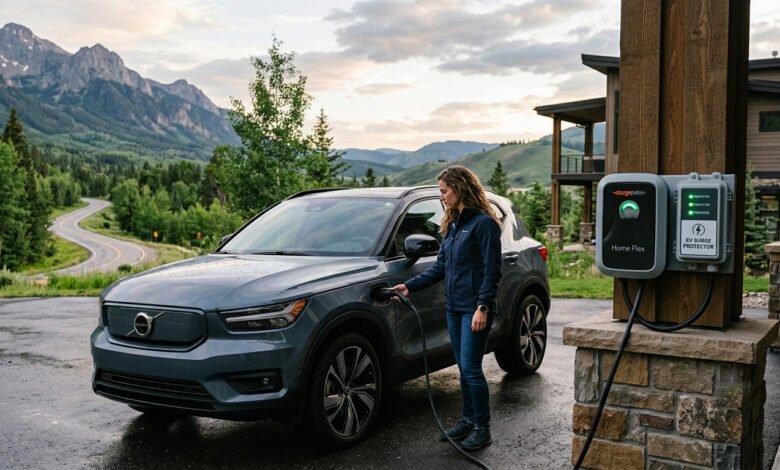
Introduction
As electric vehicles become more common, home and commercial charging stations are becoming an essential part of daily life. One question many EV owners ask is whether EV charger surge protection is really necessary. The short answer is yes. Modern EV chargers contain advanced electronic components that are sensitive to sudden voltage spikes caused by lightning, power grid fluctuations, or electrical faults. Investing in EV charger surge protection helps safeguard your charging equipment, your vehicle, and your home’s electrical system. Whether you are installing a new charger or upgrading an existing one, understanding surge protection can save you from expensive repairs and unexpected downtime.
What Is EV charger surge protection and Why Is It Important?
Electric vehicle chargers are designed to deliver safe and controlled electricity to your vehicle. However, they are not immune to electrical surges. A power surge is a sudden increase in voltage that lasts only a fraction of a second but can permanently damage electronic circuits.
EV charger surge protection refers to devices or protective systems that detect excessive voltage and safely divert it away from sensitive electrical equipment. These protective devices act as a shield between your electrical supply and your EV charger.
Without proper surge protection, even a brief voltage spike can damage charging electronics, communication modules, internal circuit boards, and power management systems. In severe cases, the charger may stop working completely, requiring costly replacement.
As more households adopt smart chargers with Wi-Fi connectivity, mobile app integration, and intelligent energy management, protecting these advanced electronics becomes even more important.
Common Causes of Power Surges That Affect EV Chargers
Power surges can occur for many reasons, and not all of them are dramatic lightning strikes. Everyday electrical events can also create damaging voltage spikes.
Lightning is one of the most powerful sources of electrical surges. Even if lightning does not directly hit your property, a nearby strike can send high-voltage energy through power lines and damage connected equipment.
Utility grid switching is another common cause. Power companies regularly perform maintenance, restore electricity after outages, or switch electrical loads. These activities may briefly increase voltage levels.
Large electrical appliances inside your home can also generate smaller surges. Air conditioners, refrigerators, water pumps, and industrial machinery frequently cycle on and off, creating electrical fluctuations.
Faulty wiring, overloaded circuits, and electrical equipment failures may also produce unexpected surges that can affect your charging station.
These risks explain why EV charger surge protection is increasingly recommended during charger installation rather than waiting until damage occurs.
How EV charger surge protection Protects Your Investment
Purchasing an EV charger is a significant investment. Depending on the charging level and smart features, installation costs can range from several hundred to several thousand dollars.
Installing EV charger surge protection helps prevent expensive repair bills by protecting delicate electronic components from excessive voltage. Instead of allowing dangerous electricity to reach the charger, surge protection devices safely redirect it to the grounding system.
This protection extends beyond the charger itself. Since the charger is directly connected to your electric vehicle during charging, reducing surge-related risks also helps protect your vehicle’s onboard charging system and battery management electronics.
Another advantage is improved system reliability. Homeowners experience fewer unexpected charger failures, while businesses operating public charging stations reduce downtime and maintenance costs.
Professional electricians often recommend installing surge protection alongside dedicated circuit breakers and proper grounding to create a comprehensive electrical safety system.
Do All EV Chargers Require Surge Protection?
Technically, many chargers can operate without additional surge protection. However, operating without it increases the risk of electrical damage over time.
Level 1 chargers use standard household outlets and generally face lower installation complexity, but they are still vulnerable to voltage spikes.
Level 2 chargers, which operate on 240-volt circuits, are much larger investments and deserve stronger electrical protection. Because they deliver higher power and contain sophisticated electronics, EV charger surge protection becomes even more valuable.
Commercial DC fast chargers represent the highest investment level. Their advanced power electronics process large amounts of electricity every day, making comprehensive surge protection essential for long-term reliability.
Many manufacturers also recommend surge protection as part of best installation practices to maximize equipment lifespan and maintain optimal performance.
Choosing the Right Surge Protection Solution
Selecting the proper surge protection device requires more than simply buying the first product available. Compatibility, electrical ratings, and installation quality all matter.
Look for surge protection devices designed specifically for residential or commercial electrical panels. Some systems protect the entire building, while others provide dedicated protection for individual circuits such as EV charging stations.
A licensed electrician can determine the correct surge capacity, voltage rating, and installation location based on your electrical system.
Proper grounding is equally important. Even the best surge protector cannot perform effectively without a reliable grounding system.
Weather conditions should also influence your decision. Homes located in areas with frequent thunderstorms may benefit from higher-capacity surge protection systems.
Routine electrical inspections ensure the protection device continues functioning correctly throughout its service life.
Benefits and Challenges of Installing EV charger surge protection
The benefits of installing EV charger surge protection extend beyond simple equipment protection. It enhances electrical safety, improves charging reliability, reduces maintenance costs, and increases confidence that your charging system can handle unexpected voltage fluctuations.
Homeowners appreciate the added peace of mind knowing their expensive EV charger and vehicle are better protected from unpredictable electrical events.
Businesses operating charging networks benefit from reduced downtime, improved customer satisfaction, and lower repair expenses.
There are, however, some challenges to consider. Installation requires additional upfront investment, and professional installation is strongly recommended for maximum effectiveness. Surge protection devices also have a limited lifespan because they absorb electrical surges over time. Periodic inspection or replacement may eventually become necessary.
Despite these considerations, the long-term financial savings often outweigh the relatively small installation cost.
Expert Insights on Electrical Safety and EV Charging
Experienced electricians consistently recommend incorporating surge protection into every new EV charger installation. As electric vehicles continue to evolve, charging equipment includes increasingly sophisticated electronics that are more sensitive to electrical disturbances.
Smart charging systems communicate with mobile applications, utility companies, and home energy management systems. Protecting these communication components is just as important as protecting the power electronics themselves.
Experts also emphasize following local electrical codes, using certified installation professionals, and selecting quality surge protection devices that match your electrical system’s specifications.
When combined with proper grounding, dedicated circuits, quality circuit breakers, and regular maintenance, EV charger surge protection becomes an essential layer of overall electrical safety.
Conclusion
The growing popularity of electric vehicles makes protecting charging infrastructure more important than ever. Electrical surges can occur without warning and may cause significant damage to expensive charging equipment and vehicle electronics. Installing EV charger surge protection is a practical investment that improves safety, extends equipment lifespan, reduces repair costs, and increases long-term reliability.
Whether you own a home charging station or manage commercial charging facilities, EV charger surge protection provides valuable protection against voltage spikes caused by lightning, utility grid changes, and everyday electrical fluctuations. Investing in proper surge protection today can help you avoid costly problems tomorrow while ensuring dependable charging for years to come.
More EV Car Guides: Read more electric vehicle news, buying guides, reviews, and ownership tips on magazinerock.co.uk.
(FAQs)
Does every EV charger need surge protection?
While it is not legally required in every location, EV charger surge protection is highly recommended because it protects expensive charging equipment and vehicle electronics from unexpected voltage spikes.
Can lightning damage an EV charger?
Yes. Even nearby lightning strikes can create powerful electrical surges that travel through power lines. Proper surge protection significantly reduces the risk of damage.
Is whole-house surge protection enough for an EV charger?
Whole-house protection offers excellent general protection, but many electricians recommend adding dedicated protection for high-value equipment such as EV charging stations for maximum safety.
How long does a surge protection device last?
The lifespan depends on the number and severity of electrical surges it absorbs. Many quality devices last several years, but they should be inspected periodically and replaced if necessary.
Should surge protection be installed during EV charger installation?
Yes. Installing EV charger surge protection during the initial charger installation is usually easier, more cost-effective, and ensures complete protection from the beginning.