Ultimate Guide to electric car road trips Europe: Taking an EV from the UK to Europe
electric car road trips Europe

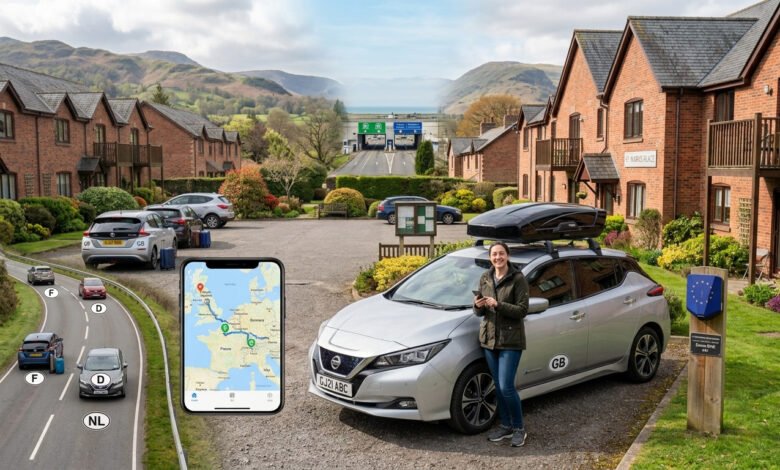
Introduction
Planning electric car road trips Europe has never been easier thanks to the rapid expansion of charging infrastructure and the growing popularity of electric vehicles. Whether you are heading to France, Germany, the Netherlands, Belgium, or beyond, taking an EV from the UK to Europe offers an exciting, environmentally friendly, and cost-effective travel experience. With the right preparation, you can enjoy smooth border crossings, reliable charging stops, and unforgettable scenic drives.
From understanding charging networks to preparing travel documents and planning efficient routes, this guide covers everything you need to know before setting off. If you’re considering electric car road trips Europe, careful planning will help you maximize your EV’s range, reduce charging anxiety, and make every mile enjoyable.
Planning Your Journey Before Leaving the UK
Successful electric car road trips Europe always begin with proper planning. Although Europe’s EV charging network continues to expand rapidly, each country has different charging providers, payment methods, and charging speeds. Researching these details before departure helps prevent unnecessary delays during your trip.
Start by identifying your destination and mapping your preferred driving route. If you’re travelling through multiple countries, check where fast-charging stations are located along motorways and major cities. Many EV navigation systems can automatically suggest charging stops based on your battery level, making long-distance travel much easier.
Before leaving the UK, ensure your vehicle is fully serviced. Check tyre pressure, battery health, brake condition, coolant levels, and software updates. Proper maintenance improves efficiency and helps extend driving range during long journeys.
Travellers using electric car road trips Europe should also prepare all essential documents. Carry your passport, driving licence, vehicle registration certificate, insurance documents, breakdown cover details, and any required travel permits. Some European countries also require reflective jackets, warning triangles, spare bulbs, or first-aid kits inside the vehicle, so verify local regulations before travelling.
The Channel Tunnel and ferry services both accommodate electric vehicles without difficulty. Booking early often provides greater flexibility while allowing you to schedule charging stops more efficiently around your arrival times.
Charging Your EV Across Europe
One of the biggest concerns surrounding electric car road trips Europe is charging availability. Fortunately, Europe has developed one of the world’s largest public charging networks, making cross-border EV travel significantly easier than it was just a few years ago.
Fast chargers are widely available along major motorways, while destination chargers can often be found at hotels, shopping centres, restaurants, and tourist attractions. Ultra-rapid chargers can replenish most modern EV batteries in approximately 20 to 40 minutes, depending on battery capacity and charging power.
Different countries may use various charging operators, so installing multiple charging apps before departure is highly recommended. Many charging stations also accept contactless payment cards, although some still require app-based activation or RFID cards.
Understanding connector compatibility is equally important. Most modern UK electric vehicles use the CCS connector for rapid charging and the Type 2 connector for AC charging, both of which are common throughout mainland Europe. Confirm your vehicle’s charging compatibility before your journey to avoid unexpected issues.
Weather conditions can influence battery performance. Cold temperatures typically reduce driving range, while extremely hot weather may increase cooling demands. Drivers planning electric car road trips Europe should allow a comfortable battery reserve rather than relying on reaching charging stations with minimal remaining charge.
Charging stops also provide valuable opportunities to rest, enjoy local cuisine, and explore nearby towns. Instead of viewing charging as an inconvenience, many experienced EV owners consider it an enjoyable part of the travel experience that naturally encourages safer and more relaxed driving.
Understanding Driving Rules and Road Conditions in Europe
Every country has its own driving regulations, making it essential to familiarise yourself with local laws before starting electric car road trips Europe. Although driving standards remain consistently high across Europe, speed limits, toll systems, environmental zones, and road signage can vary considerably.
France operates extensive toll motorways, while Germany is famous for sections of the Autobahn without mandatory speed limits. However, many areas still enforce speed restrictions, particularly near cities and construction zones. Belgium and the Netherlands generally have excellent motorway networks supported by plentiful EV charging facilities.
Many European cities now operate low-emission or zero-emission zones. Electric vehicles often enjoy unrestricted access, although certain cities still require online registration before entry. Checking these requirements in advance helps avoid unnecessary fines.
Road signs across Europe are generally straightforward, but learning common local traffic symbols improves confidence when driving in unfamiliar regions. Roundabout rules, priority signs, and parking regulations may differ slightly from those in the UK.
Drivers should also prepare for driving on the right-hand side of the road after leaving the UK. While this adjustment feels unusual initially, most motorists adapt quickly after the first few kilometres. Modern EV driver assistance systems, including lane-keeping assistance, adaptive cruise control, and navigation guidance, make international driving considerably more comfortable.
Choosing accommodation with overnight charging facilities further simplifies electric car road trips Europe. Starting each morning with a fully charged battery reduces dependence on public chargers and allows greater flexibility for sightseeing throughout the day.
Budgeting for Your EV Adventure Across Europe
One of the biggest advantages of electric car road trips Europe is the potential to reduce travel costs compared to driving a petrol or diesel vehicle. While electricity prices vary between countries and charging providers, the overall running costs of an EV are often lower, especially when using slower chargers at hotels or campsites overnight.
Budgeting should include charging expenses, accommodation, motorway tolls, parking fees, ferry or Channel Tunnel bookings, meals, and travel insurance. Some charging stations offer lower prices during off-peak hours, allowing you to save money with a little planning. If your accommodation provides complimentary EV charging, you can further reduce your overall travel budget.
When planning electric car road trips Europe, avoid relying solely on the nearest charging station. Comparing nearby chargers can help you find better prices and shorter waiting times. This small step can make a noticeable difference during a long journey through several countries.
Although rapid charging is convenient, it is usually more expensive than standard AC charging. Whenever your schedule allows, charging overnight is often the most economical option. Combining sightseeing, dining, or shopping with charging sessions also helps you make the most of your travel time.
Benefits, Challenges, and Expert Tips for a Smooth Journey
There are many reasons why travellers are choosing electric car road trips Europe over traditional road trips. Electric vehicles produce zero tailpipe emissions, offer a quieter driving experience, and deliver instant acceleration that makes motorway driving comfortable and enjoyable. Europe’s expanding charging infrastructure has also made long-distance EV travel far more practical than ever before.
Another significant benefit is the growing number of environmentally conscious hotels, tourist attractions, and parking facilities that now provide EV charging points. This makes daily route planning easier while supporting more sustainable tourism.
Despite these advantages, there are still a few challenges to consider. Charging availability may be limited in some remote rural areas, particularly outside major transport corridors. Peak holiday seasons can also result in busy charging stations, requiring a little extra patience and flexibility.
Language differences may occasionally make it harder to understand charging instructions or payment systems. Fortunately, most charging apps provide multilingual support, and many charging stations include clear symbols that are easy to follow regardless of language.
Experienced EV drivers recommend keeping your battery between 20% and 80% during long-distance travel whenever possible. This charging range often provides the best balance between battery health and efficient charging speeds. It is also wise to have more than one charging app installed, carry your charging cable, and always identify an alternative charging location before arriving at your planned stop.
Weather can influence energy consumption, particularly during winter. Using seat heaters instead of maximum cabin heating, maintaining steady motorway speeds, and avoiding unnecessary acceleration can all help increase driving range. These simple habits make electric car road trips Europe more efficient and less stressful.
Perhaps the greatest advantage is the freedom to explore Europe at your own pace. Instead of rushing between destinations, EV travel naturally encourages more frequent breaks, giving you the opportunity to discover charming villages, scenic viewpoints, local restaurants, and cultural attractions that might otherwise be missed.
Conclusion
Taking an electric vehicle from the UK to mainland Europe is no longer an ambitious experiment—it has become a practical and enjoyable way to travel. Careful route planning, familiarity with charging networks, and understanding local driving regulations are the keys to a successful journey. As charging infrastructure continues to expand across Europe, travelling by EV is becoming increasingly convenient for both first-time and experienced drivers.
Whether your itinerary includes the vineyards of France, the Alpine roads of Switzerland, the historic cities of Germany, or the coastal routes of Spain, electric car road trips Europe offer a modern way to experience the continent while reducing your environmental impact. With proper preparation and realistic expectations, your journey can be smooth, economical, and memorable. If you’re ready to explore Europe sustainably, electric car road trips Europe provide the perfect combination of freedom, comfort, and responsible travel.
More EV Car Guides: Read more electric vehicle news, buying guides, reviews, and ownership tips on magazinerock.co.uk.
FAQs
Is it easy to take an electric vehicle from the UK to Europe?
Yes. Modern ferry operators and the Channel Tunnel welcome electric vehicles, and Europe now has an extensive charging network. With advance planning, electric car road trips Europe are straightforward and suitable for both short holidays and extended tours.
Do I need special charging equipment when travelling in Europe?
Most UK electric vehicles are compatible with European charging stations through CCS and Type 2 connectors. However, carrying your own charging cable is recommended because some AC charging points require drivers to supply one.
How often should I stop to charge during a European road trip?
The frequency depends on your vehicle’s battery capacity, driving style, weather conditions, and route. Most drivers stop every 200 to 300 kilometres for a rapid charge, although modern EV navigation systems automatically recommend convenient charging stops.
Are electric vehicle charging stations common across Europe?
Yes. Major countries including France, Germany, Belgium, the Netherlands, Spain, Italy, and Austria have thousands of public charging stations. Motorways, shopping centres, hotels, and tourist destinations continue to add new chargers every year, making electric car road trips Europe increasingly convenient.
What is the biggest mistake to avoid on an EV road trip?
The most common mistake is relying on a single charging station without having a backup option. Always plan alternative charging locations, keep your battery above a comfortable reserve level, and monitor your route regularly to ensure a stress-free travel experience during electric car road trips Europe.