EV Battery Life UK: The Complete Guide to How Long Electric Car Batteries Last
EV battery life UK

Introduction
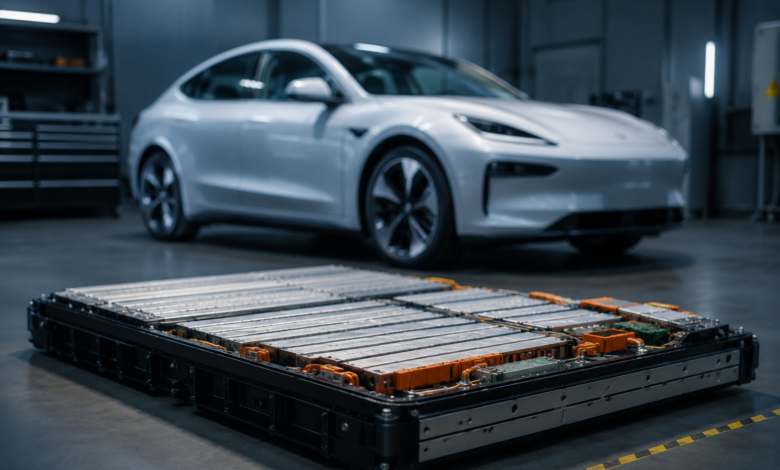
If you’re thinking about buying an electric vehicle, one of the biggest questions you’ll probably ask is: How long do electric car batteries last? Understanding EV battery life UK is essential because the battery is the most valuable component of any electric vehicle. Fortunately, modern EV batteries are designed to last far longer than many people expect. With advances in electric vehicle battery technology, improved battery management systems, and generous manufacturer warranties, today’s electric cars can provide reliable performance for well over a decade.
In this guide, you’ll learn everything about EV battery life UK, including battery lifespan, degradation, charging habits, replacement costs, warranties, maintenance tips, and how to maximize battery health throughout your ownership.
What Is the Average EV Battery Life UK?
The average EV battery life UK is between 15 and 20 years, depending on the vehicle, driving habits, and maintenance. Most manufacturers expect their lithium-ion EV battery packs to last well beyond 150,000 miles, while many can comfortably exceed 200,000 miles under normal driving conditions.
Unlike traditional car batteries, EV batteries do not suddenly stop working. Instead, they experience gradual battery degradation, meaning they slowly lose their maximum energy storage capacity over time. Even after many years, most electric vehicles still retain enough capacity for everyday driving.
For example, an electric car with an original range of 250 miles may still deliver around 220–230 miles after several years of use, making it perfectly practical for most UK drivers.
What Affects Electric Car Battery Life?
Several factors influence electric car battery life UK, and understanding them can help extend your battery’s lifespan.
Charging Habits
One of the biggest influences on battery health is how frequently the battery is charged.
Regular home charging using slower AC chargers places less stress on the battery than constant rapid charging or fast charging. While rapid chargers are extremely convenient during long journeys, relying on them every day may accelerate battery ageing over time.
Many experts recommend keeping the battery’s state of charge between 20% and 80% for everyday driving whenever possible.
Driving Style
Aggressive acceleration, repeated high-speed motorway driving, and heavy towing generate additional heat inside the battery pack. Although modern battery thermal management systems control temperatures effectively, smoother driving generally promotes better battery efficiency and longer battery life.
Climate Conditions
The UK’s moderate climate is actually beneficial for EV battery longevity. Unlike countries with extreme heat, British weather helps reduce excessive battery wear.
However, winter temperatures can temporarily reduce real-world range, while hot summer days may slightly increase battery temperatures during repeated rapid charging sessions.
Charging Cycles
Every battery has a limited number of charging cycles, but modern lithium-ion batteries are designed for thousands of complete cycles before noticeable degradation occurs.
For most UK drivers covering average annual mileage, this translates into many years of reliable service.
How Does Battery Degradation Work?
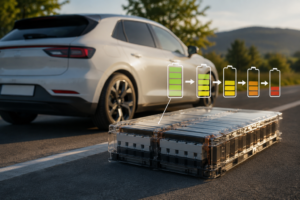
Many first-time EV buyers worry about battery degradation, but it’s important to understand that degradation happens gradually rather than suddenly.
During the first few years, battery capacity usually declines very slowly. After that, the rate of decline often stabilizes for a long period.
Most manufacturers consider a battery healthy if it retains around 70% of its original capacity after eight years. In reality, many vehicles exceed these expectations, maintaining over 85% capacity even after extensive use.
Advanced battery management systems continuously monitor temperature, charging speed, and cell balance to protect the battery from unnecessary wear.
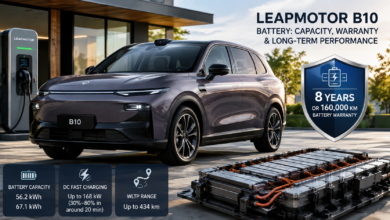
EV Battery Warranty UK: What Does It Cover?
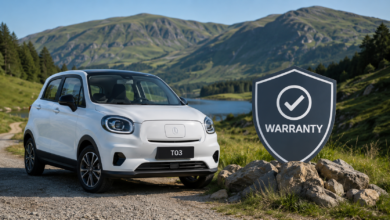
One reason buyers have greater confidence in electric vehicles today is the generous EV battery warranty UK offered by manufacturers.
Most new electric vehicles sold in the UK include:
Battery Warranty
Typically 8 years or 100,000 miles, whichever comes first.
Capacity Guarantee
Many manufacturers guarantee the battery will retain at least 70% of its original capacity during the warranty period.
If the battery degrades below the guaranteed level due to manufacturing defects, repairs or replacements are generally covered.
These warranties provide reassurance and help improve the resale value of electric vehicles.
How Much Does EV Battery Replacement Cost in the UK?
The topic of electric car battery replacement cost often worries buyers, but replacement is much less common than many assume.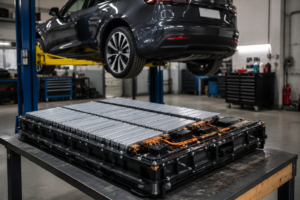
Today’s batteries are built to outlast most vehicles, meaning many owners never need a replacement.
If replacement becomes necessary outside warranty, the EV battery replacement UK cost can range from approximately £4,000 to over £12,000, depending on:
Battery size
Vehicle model
Manufacturer
Labour cost
Fortunately, battery prices continue to decline as production scales increase and battery technology improves.
Many manufacturers can also replace individual battery modules rather than the entire pack, reducing repair costs significantly.
Can You Extend EV Battery Lifespan?
Absolutely. Following good EV battery maintenance practices can help maximize electric vehicle battery lifespan.
Avoid Constant 100% Charging
Charging to full capacity every day isn’t usually necessary unless you’re preparing for a long journey.
Minimise Frequent Rapid Charging
Occasional public charging using rapid chargers is perfectly safe, but relying exclusively on them may slightly increase battery wear over many years.
Keep Software Updated
Manufacturers regularly release updates that improve battery performance, charging efficiency, and thermal management.
Drive Smoothly
Gentle acceleration and effective use of regenerative braking reduce stress on both the battery and the vehicle.
Store the Vehicle Correctly
If your EV won’t be driven for several weeks, leaving the battery around 50% charge is generally considered ideal.
These simple charging best practices can noticeably improve long-term battery health.
Are Used Electric Cars Still a Good Buy?
Many buyers considering used electric cars UK wonder whether older batteries remain reliable.
The good news is that modern EVs generally retain excellent battery health, even after several years.
Before purchasing a used EV, consider requesting:
Battery health report
Service history
Remaining battery warranty
Charging history (if available)
Many dealerships now provide professional battery diagnostics, giving buyers additional confidence.
A healthy used EV can still deliver excellent driving range, low running costs, and dependable performance for many years.
Battery Recycling and Sustainability
One of the strengths of modern electric vehicle technology is that batteries rarely become waste.
When batteries no longer provide sufficient range for vehicles, they often enter a “second life” as stationary energy storage systems before eventually undergoing battery recycling UK processes.
Recycling facilities recover valuable materials such as lithium, nickel, cobalt, and copper, helping reduce environmental impact while supporting future battery production.
This contributes to more sustainable transportation and strengthens the long-term environmental benefits of electric vehicles.
Why Battery Life Is Better Than Many People Think
Early concerns about electric vehicle battery lifespan have largely been overcome through years of real-world experience.
Modern EVs benefit from:
Advanced battery thermal management
Improved battery management systems
Better energy efficiency
Strong manufacturer warranties
More durable battery chemistry
Continuous software improvements
These innovations have dramatically increased electric car battery durability, making today’s EVs suitable for long-term ownership.
For most UK drivers, the battery will likely outlast the vehicle itself.
Conclusion
Understanding EV battery life UK helps remove one of the biggest concerns surrounding electric vehicle ownership. Modern lithium-ion EV batteries are designed to last between 15 and 20 years, with gradual battery degradation rather than sudden failure. Thanks to intelligent battery management, generous warranties, and ongoing technological improvements, today’s electric vehicles offer exceptional reliability and long-term value.
By following sensible charging habits, practising good EV battery maintenance, and taking advantage of manufacturer warranties, UK drivers can enjoy excellent battery performance for many years. Whether you’re buying a brand-new EV or considering a used model, today’s batteries are far more durable than many people realise, making electric vehicles an increasingly practical and cost-effective choice.
FAQs
1. How long does an EV battery typically last in the UK?
The average EV battery life UK is around 15–20 years or well over 150,000 miles. Many batteries continue performing effectively even beyond these figures with proper care.
2. Does rapid charging damage an EV battery?
Occasional rapid charging is completely safe, but relying on it for every charge may slightly increase battery degradation over many years. Regular home charging remains the best option for long-term battery health.
3. How much does an electric car battery replacement cost in the UK?
Depending on the vehicle, electric car battery replacement cost typically ranges from £4,000 to over £12,000. However, complete battery replacement is uncommon because modern batteries are designed to last for many years.
4. How can I make my EV battery last longer?
Following good charging habits, avoiding constant 100% charging, limiting unnecessary rapid charging, keeping software updated, and driving smoothly all help extend electric vehicle battery lifespan.
5. Is buying a used electric car with an older battery worth it?
Yes. Many used EVs still retain excellent battery health and offer strong driving range. Checking the battery health report, service history, and remaining warranty can help ensure you’re making a smart purchase.