Introduction
Choosing the right EV charging cable length is one of the most overlooked decisions for electric vehicle owners. While many people focus on charging speed or connector type, cable length plays a major role in convenience, safety, and everyday usability. A cable that is too short can make charging frustrating, while one that is too long may become difficult to store and increase the risk of damage. Understanding the ideal EV charging cable length helps you enjoy a smoother charging experience at home, work, or public charging stations. This guide explains everything you need to know before buying your next EV charging cable.
Why Does EV charging cable length Matter?
Many EV owners assume that all charging cables perform the same way regardless of their length. In reality, the right EV charging cable length directly affects how easily you can connect your vehicle to a charger.
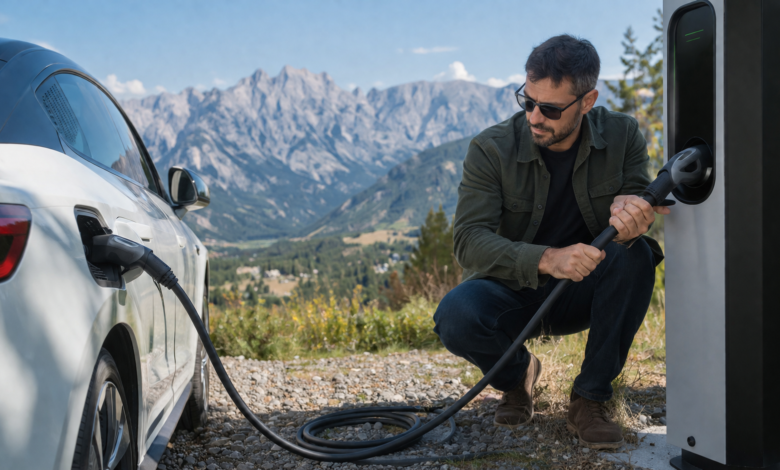
If your charging point is installed close to your vehicle’s charging port, a shorter cable may be sufficient. However, if you park in different positions or own multiple electric vehicles with charging ports located on different sides, a longer cable offers much greater flexibility.
The correct cable length also reduces unnecessary stretching, prevents strain on connectors, and minimizes the chances of accidental damage. It improves convenience without compromising charging performance when you choose a high-quality cable.
What Is the Best EV charging cable length for Most Drivers?
For most electric vehicle owners, a cable between 5 and 7.5 meters provides the best balance between convenience and practicality.
A 5-meter cable is often considered the standard option because it comfortably reaches most vehicles parked in a driveway or garage. It is easy to handle, lightweight, and simple to store after charging.
A 7.5-meter cable is ideal for households where parking positions frequently change or where multiple EVs share the same charger. The extra reach eliminates the need to reposition vehicles before charging.
An 8 to 10-meter cable can also work well in larger driveways or commercial settings, although it requires more storage space and careful cable management.
Ultimately, the best EV charging cable length depends on your parking layout rather than your vehicle alone.
Factors to Consider Before Choosing the Right Cable Length
Several practical factors should influence your decision before purchasing an EV charging cable.
The first consideration is the distance between your charger and your vehicle’s charging port. Measure this distance carefully instead of estimating it. Remember that different EV models place charging ports in different locations, including the front, rear, or side of the vehicle.
Another important factor is where you usually park. If you always reverse into your driveway, a shorter cable may be enough. If you park in different directions depending on available space, additional cable length offers greater flexibility.
Storage is another consideration. Longer cables require more room and should be coiled neatly after every charging session to prevent wear and tangling.
Weather conditions also matter for outdoor charging. A cable should comfortably reach your vehicle without lying across walkways or creating unnecessary trip hazards.
Does a Longer Cable Reduce Charging Speed?
One of the most common myths is that a longer charging cable always charges an EV more slowly.
In reality, a certified, high-quality charging cable that meets the required electrical standards experiences minimal power loss over normal lengths such as 5 to 10 meters. Manufacturers design these cables with appropriate conductor thickness to maintain efficient power delivery.
Problems usually occur only when using poor-quality cables or products that do not meet safety certifications. Investing in a reliable cable is far more important than worrying about a few extra meters of length.
For everyday home charging, choosing the correct EV charging cable length has virtually no noticeable impact on charging performance.
Choosing the Best Cable Length for Different Situations
Home Charging
Home charging is where cable length matters most. A 5-meter cable works well for most garages and standard driveways. If your charger is mounted on a side wall or your parking position changes regularly, a 7.5-meter cable provides additional convenience.
Public Charging
Public charging stations vary greatly in layout. Sometimes another vehicle may partially block access to the charger, making a longer cable extremely useful. Many experienced EV owners prefer carrying a 7-meter cable for this reason.
Workplace Charging
Office parking spaces often differ in size and arrangement. A slightly longer cable gives employees greater flexibility without constantly changing parking positions.
Commercial Fleets
Businesses operating multiple electric vehicles often benefit from longer charging cables because different vehicle models have charging ports in different locations.
Choosing the right EV charging cable length for your specific charging environment ensures a smoother experience every day.
Safety Tips for Managing EV Charging Cables
Selecting the proper cable length is only part of maintaining a safe charging setup. Proper cable care extends its lifespan and protects both the charger and your vehicle.
Avoid leaving cables tightly twisted or knotted after charging. Instead, coil them loosely and store them using a dedicated cable holder or wall-mounted hook.
Keep connectors clean and dry before plugging them into the vehicle. Dirt and moisture may affect electrical connections over time.
Never allow heavy vehicles to drive over charging cables, and avoid placing cables where people frequently walk.
Regularly inspect your charging cable for cuts, cracks, worn insulation, or damaged connectors. Replacing a damaged cable promptly helps maintain safe charging conditions.
Using the correct EV charging cable length also reduces unnecessary strain on both connectors because the cable does not need to be stretched during charging.
Common Mistakes to Avoid When Buying an EV Charging Cable
Many buyers focus only on price instead of considering how they actually use their charging setup.
One common mistake is buying the shortest available cable simply because it costs less. This often leads to frustration when parking positions change.
Another mistake is purchasing an extremely long cable without considering storage requirements. Excess cable can become tangled and more difficult to manage.
Some drivers also overlook compatibility. Always confirm that your cable matches your vehicle connector type, charger output, and charging standards before purchasing.
Finally, avoid uncertified charging cables from unknown manufacturers. Certified products provide better durability, safety, and long-term reliability.
Making an informed decision about EV charging cable length helps avoid these costly mistakes.
Expert Advice for Choosing the Ideal Cable
Industry professionals generally recommend planning for future needs rather than only current parking arrangements.
If you expect to move house, purchase another electric vehicle, or relocate your charger later, selecting a slightly longer cable often provides better long-term value.
Experts also suggest measuring your parking area several times before buying. Small measurement errors can significantly affect daily convenience.
Remember that cable quality, weather resistance, connector durability, and certification are just as important as selecting the proper EV charging cable length.
Conclusion
Finding the ideal EV charging cable length is about balancing convenience, safety, and practicality. For most homeowners, a cable between 5 and 7.5 meters provides the flexibility needed for everyday charging without becoming difficult to manage. Before making your purchase, carefully measure your parking area, consider future charging needs, and choose a certified cable built for long-term reliability. Investing in the right EV charging cable length today will make charging easier, safer, and more convenient for years to come.
More EV Car Guides: Read more electric vehicle news, buying guides, reviews, and ownership tips on magazinerock.co.uk.
FAQs
What is the standard EV charging cable length?
Most manufacturers offer 5-meter charging cables as the standard option because they suit the majority of home charging installations while remaining easy to handle and store.
Is a 7.5-meter EV charging cable too long?
No. A 7.5-meter cable is an excellent choice if you regularly park in different positions or own multiple electric vehicles with charging ports in different locations.
Can a longer charging cable reduce charging efficiency?
A certified, high-quality charging cable designed to industry standards experiences virtually no noticeable reduction in charging performance over normal lengths used by EV owners.
How do I know which cable length I need?
Measure the distance between your charger and your vehicle’s charging port while allowing extra room for comfortable cable routing. This ensures the cable reaches without being stretched.
Should I buy a longer cable for future use?
If you expect your parking arrangement to change or plan to purchase another electric vehicle, choosing a slightly longer EV charging cable length can provide greater flexibility and long-term value.