Best EV Charging for Renters UK: Smart, Affordable & Practical Solutions
EV charging for renters UK

Introduction
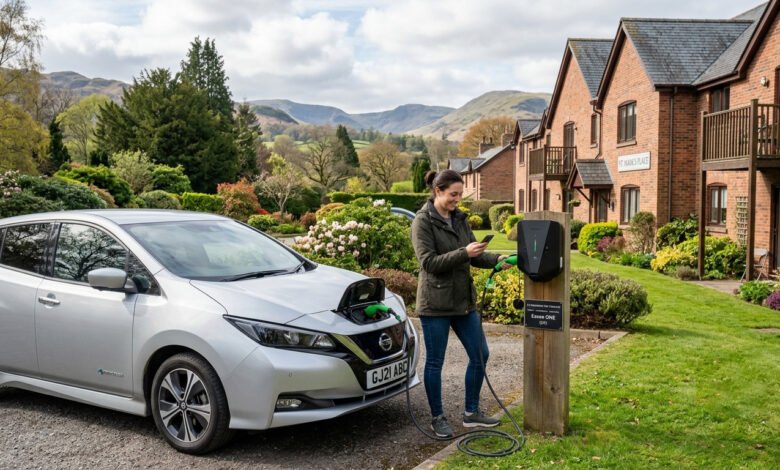
The rise of electric vehicles has transformed how people travel across Britain, but charging remains a challenge for those who do not own their homes. EV charging for renters UK is becoming increasingly important as more tenants switch to electric cars while living in rented flats, apartments, and houses. Unlike homeowners who can usually install a private charger, renters often face restrictions related to landlord approval, shared parking, or limited electrical infrastructure. Fortunately, new technologies, government initiatives, and flexible charging solutions are making it easier than ever to charge an electric vehicle without owning a property. Understanding the available options helps renters enjoy lower running costs, greater convenience, and a more sustainable lifestyle.
Understanding EV Charging Challenges for Renters
Finding the right EV charging for renters UK solution depends largely on where a tenant lives and what type of parking is available. Renters living in detached or semi-detached houses with private driveways usually have more installation opportunities than those living in apartment buildings with communal parking.
One of the biggest obstacles is obtaining landlord permission. Since installing a wall-mounted charger often involves electrical work and permanent changes to the property, landlords must usually approve the installation. Some landlords are increasingly willing to support electric vehicle charging because it can increase property value and attract environmentally conscious tenants.
Another challenge is access to dedicated parking. Many renters rely on on-street parking where installing a private charger is simply not possible. Fortunately, local councils and charging providers continue expanding public charging infrastructure throughout the UK, making EV charging for renters UK much more accessible than it was only a few years ago.
Available EV Charging Solutions for UK Renters
There is no single solution that works for every renter. The best EV charging for renters UK option depends on location, budget, and daily driving habits.
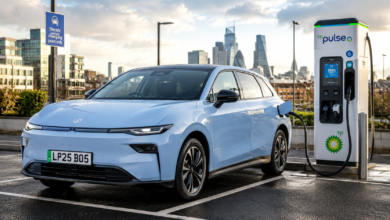
Public charging networks have become one of the most practical choices. Thousands of charging stations are now available at supermarkets, shopping centres, motorway services, public car parks, and retail destinations. Many drivers conveniently charge while shopping or working, making charging part of their regular routine.
Some apartment developments now offer shared charging facilities for residents. Property developers increasingly recognise the growing demand for electric vehicle infrastructure and are incorporating charging bays into new residential projects.
Portable EV chargers also provide flexibility for renters who have access to a standard outdoor electrical socket with landlord permission. Although charging speeds are slower than dedicated wall chargers, portable chargers can provide enough energy overnight for daily commuting.
Workplace charging has become another valuable option. Many employers now install charging stations for staff members, allowing employees to recharge their vehicles during working hours instead of relying entirely on home charging. This flexible approach supports EV charging for renters UK while reducing dependence on public charging stations.
Working with Landlords and Property Managers
Good communication plays an important role in successful EV charging for renters UK installations. Rather than assuming a landlord will refuse, tenants should prepare a well-informed proposal explaining the benefits of installing an EV charger.
Many landlords appreciate that electric vehicle charging can increase tenant satisfaction and improve the property’s long-term appeal. A professionally installed charger may also enhance the property’s market value as demand for sustainable housing continues to grow.
Tenants should explain that certified installers can complete the work safely while ensuring compliance with UK electrical regulations. Offering to discuss installation costs or agreeing on responsibilities within the tenancy agreement may also encourage landlord approval.
If the property is managed by a housing association or management company, additional permissions may be required, especially in buildings with communal parking spaces.
Costs, Savings, and Long-Term Benefits
One common misconception about EV charging for renters UK is that it is always expensive. In reality, charging costs vary depending on the charging method and electricity tariffs.
Home charging typically remains the cheapest option whenever available. Even when renters contribute to installation costs, long-term savings on fuel often outweigh the initial investment. Public charging prices differ depending on charger speed and provider, while workplace charging may even be offered free by some employers.
Electric vehicles generally require less maintenance than traditional petrol or diesel cars because they contain fewer moving parts. Lower servicing costs, combined with reduced fuel expenses, help many renters recover their charging-related investments over time.
Beyond financial savings, electric vehicle ownership contributes to cleaner air, reduced carbon emissions, and quieter urban environments. These environmental benefits continue encouraging more renters to adopt electric mobility despite charging challenges.
Future Trends in EV Charging for UK Renters
The future of EV charging for renters UK looks increasingly promising as technology continues to evolve. Local authorities are investing in on-street charging infrastructure specifically designed for residents without private driveways.
Smart charging technology allows drivers to schedule charging during off-peak electricity hours, reducing energy costs while supporting the national electricity grid. Mobile applications also help drivers locate available charging stations, compare charging speeds, monitor charging progress, and complete secure payments.
Wireless charging technology, although still developing, could eventually simplify charging even further by eliminating physical cables. Vehicle-to-grid technology is another emerging innovation that allows electric vehicles to return unused electricity to the grid during periods of high demand.
Government policies encouraging zero-emission transportation continue driving investment in charging infrastructure throughout the country. These improvements ensure that EV charging for renters UK will become more convenient, affordable, and accessible over the coming years.
As charging networks expand across cities, towns, and rural communities, renters will enjoy greater flexibility and reduced range anxiety. Continued collaboration between landlords, local authorities, charging providers, and vehicle manufacturers will play a vital role in supporting the UK’s transition to cleaner transportation.
Conclusion
Choosing the right EV charging for renters UK solution no longer needs to be overwhelming. Whether using public charging networks, workplace facilities, portable chargers, or landlord-approved home installations, renters now have more options than ever before. While challenges such as parking availability and landlord consent still exist, rapid improvements in charging infrastructure continue making electric vehicle ownership increasingly practical. By understanding available charging methods, discussing installation possibilities with landlords, and taking advantage of expanding public networks, renters can confidently embrace sustainable transport. As the UK’s electric vehicle ecosystem continues growing, EV charging for renters UK will become even more accessible, helping more drivers enjoy cleaner, more economical, and environmentally responsible travel.
More EV Car Guides: Read more electric vehicle news, buying guides, reviews, and ownership tips on magazinerock.co.uk.
FAQs
Can renters install an EV charger in the UK?
Yes. Renters can install an EV charger if they receive permission from their landlord or property management company. Professional installation ensures the charger meets UK electrical safety standards.
What is the best charging option for renters without a driveway?
Public charging stations, workplace charging, and shared residential charging facilities are usually the most practical choices for renters who rely on on-street parking.
Is public EV charging more expensive than home charging?
Generally, yes. Home charging is usually cheaper because domestic electricity rates are lower than many public charging tariffs. However, public charging offers greater convenience when private charging is unavailable.
Can landlords benefit from allowing EV charger installations?
Absolutely. Installing EV charging facilities can improve property value, attract long-term tenants, support sustainability goals, and make rental properties more competitive in the housing market.
What does the future look like for renters using electric vehicles in the UK?
The future is highly positive. Continued investment in public charging networks, smart charging technology, on-street charging solutions, and supportive government policies will make electric vehicle charging increasingly convenient for renters across the UK.