7 Powerful Facts About EV Battery Replacement Warranty Every EV Owner Should Know
EV battery replacement warranty


Introduction
Buying an electric vehicle is a major investment, and one of the biggest concerns for owners is the battery. Since the battery is the most expensive component in an EV, understanding the EV battery replacement warranty can save you from unexpected repair costs. Most manufacturers provide a battery warranty that protects drivers against defects and excessive battery degradation for a specific period. However, not every battery issue qualifies for a free replacement. Knowing what is covered, what is excluded, and how to maintain your battery can help you make informed decisions and maximize your vehicle’s lifespan. This guide explains everything you need to know about the EV battery replacement warranty in simple and practical terms.
What Is an EV Battery Replacement Warranty?
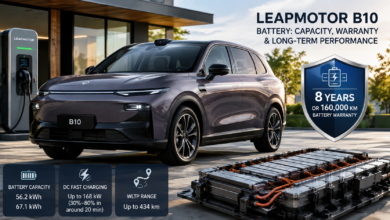
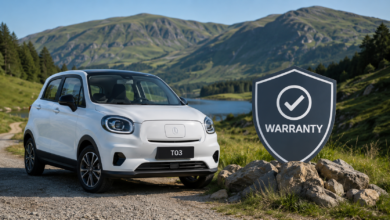
An EV battery replacement warranty is a manufacturer’s promise to repair or replace an electric vehicle battery if it fails due to defects in materials, workmanship, or excessive capacity loss during the warranty period. Unlike a standard vehicle warranty, this coverage focuses specifically on the high-voltage battery pack that powers the electric motor.
In most cases, EV manufacturers offer battery warranties that last between eight and ten years or cover approximately 100,000 to 150,000 miles, depending on the brand and model. This long-term coverage reflects manufacturers’ confidence in modern battery technology and helps reassure buyers who may worry about future replacement costs.
Battery replacement is generally approved when the battery develops an internal fault or its usable capacity drops below the minimum level specified by the manufacturer. For example, if the battery’s health falls below around 70% of its original capacity during the warranty period, many manufacturers may repair or replace the battery after inspection.
It is important to understand that the exact terms differ between manufacturers. Some companies replace the entire battery pack, while others replace only defective battery modules. Reading the warranty booklet carefully is essential to understand your specific coverage.
What Does an EV Battery Replacement Warranty Typically Cover?
The EV battery replacement warranty is designed to protect owners against manufacturing-related problems rather than normal wear and tear. If a battery develops defects because of poor materials or factory workmanship, the manufacturer usually handles the repair or replacement at no additional cost.
Coverage often includes failures caused by defective battery cells, malfunctioning battery management systems, electrical faults within the battery pack, or significant capacity degradation that falls below the manufacturer’s guaranteed threshold.
Another important aspect of battery coverage is thermal management. Modern EV batteries include advanced cooling and heating systems to maintain optimal performance. If these factory-installed systems fail because of manufacturing defects and damage the battery, warranty coverage may apply depending on the manufacturer’s policy.
Many warranties also include software updates or diagnostic procedures required to maintain proper battery performance. Since battery management software plays a critical role in efficiency and safety, manufacturers frequently update these systems as part of ongoing vehicle maintenance.
However, owners should remember that warranty approval depends on professional inspection. The manufacturer or authorized service center will evaluate whether the battery failure resulted from a covered defect or from external factors not included in the warranty agreement.
Common Conditions for Warranty Approval
Although every manufacturer has unique terms, several conditions are commonly required before a battery qualifies for warranty replacement.
The vehicle must be maintained according to the manufacturer’s recommended service schedule. Unauthorized modifications to the battery or electrical system may void coverage. Damage caused by accidents, flooding, fire, improper charging practices, or misuse is generally excluded from warranty protection.
Following recommended charging habits, using approved charging equipment, and installing official software updates can help preserve warranty eligibility throughout the ownership period.
Factors That Can Affect Your EV Battery Replacement Warranty
Several factors determine whether your EV battery replacement warranty remains valid throughout your ownership. Understanding these factors helps reduce the risk of denied warranty claims.
One of the most significant factors is battery maintenance. While EV batteries require much less maintenance than traditional engines, manufacturers still recommend periodic inspections and software updates. Ignoring scheduled maintenance may create complications during a warranty claim.
Charging habits also influence long-term battery health. Frequently exposing the battery to extreme charging conditions, repeatedly allowing it to remain fully discharged, or continuously fast charging under high temperatures may accelerate battery degradation. Although these practices do not automatically void warranty coverage, manufacturers may investigate whether misuse contributed to premature failure.
Environmental conditions can also impact battery performance. Electric vehicle batteries naturally experience reduced efficiency in extremely hot or cold climates. This temporary performance change is considered normal and usually does not qualify for warranty replacement.
Vehicle modifications represent another important consideration. Installing aftermarket electrical components, altering battery management software, or making unauthorized repairs can affect warranty eligibility. Manufacturers typically require repairs to be performed by authorized technicians using approved replacement parts.
Documentation is equally important. Keeping service records, maintenance receipts, and repair documentation demonstrates that the vehicle has been properly maintained. These records can simplify the warranty claim process if battery issues develop later.
Finally, battery degradation should not be confused with battery failure. Every lithium-ion battery gradually loses capacity over time as part of normal aging. Manufacturers account for this natural process when designing warranty terms and generally replace batteries only after degradation exceeds the specified coverage threshold during the warranty period.
Battery Replacement Costs After the EV Battery Replacement Warranty Expires
Once the EV battery replacement warranty expires, owners become responsible for repair or replacement costs unless they have purchased an extended protection plan. Since the battery is the heart of an electric vehicle, replacing it can be one of the most significant maintenance expenses during ownership.
The total cost depends on several factors, including the vehicle brand, battery size, labor charges, and the availability of replacement parts. Fortunately, battery prices have steadily declined over the past decade due to improvements in manufacturing and growing demand for electric vehicles. As battery technology continues to evolve, replacement costs are expected to become even more affordable.
In some situations, a complete battery replacement is not necessary. Authorized technicians may identify a faulty module or individual battery cells that can be repaired or replaced at a much lower cost. This approach reduces expenses while restoring the battery to proper operating condition.
Before approving any repair outside the EV battery replacement warranty, it is always wise to request a detailed battery health report. A professional diagnostic test can determine whether the issue is caused by natural degradation, a defective component, or another repairable problem.
How to Extend Battery Life and Maximize Your EV Battery Replacement Warranty
Although modern EV batteries are designed to last for many years, proper care plays an important role in maintaining their performance and ensuring your EV battery replacement warranty remains valid.
One of the best ways to protect battery health is to follow the manufacturer’s recommended charging practices. Regular overnight charging with approved equipment is generally better than relying exclusively on frequent DC fast charging, which generates additional heat.
Keeping the battery within a moderate state of charge also supports long-term durability. Many manufacturers recommend maintaining the battery between 20% and 80% for daily driving unless a full charge is required for a longer trip.
Temperature management is equally important. Whenever possible, park your vehicle in a garage or shaded location during extremely hot weather. In colder climates, allowing the battery to precondition before driving can improve efficiency and reduce stress on the battery pack.
Software updates should never be ignored. Manufacturers regularly release updates that improve battery management, charging performance, and thermal control systems. Installing these updates helps optimize battery performance and may prevent future issues.
Routine inspections at authorized service centers also contribute to the longevity of your battery. Trained technicians can identify minor concerns before they become major problems, helping you get the maximum value from your EV battery replacement warranty.
By combining responsible charging habits, regular maintenance, and careful driving, many EV owners enjoy reliable battery performance well beyond the original warranty period.
Final Thoughts: Is the EV Battery Replacement Warranty Worth It?
The EV battery replacement warranty provides valuable financial protection and peace of mind for electric vehicle owners. Since the battery is the most expensive component of an EV, comprehensive warranty coverage significantly reduces the risk of unexpected repair costs during the early years of ownership.
While every manufacturer offers different warranty terms, most protect against manufacturing defects and excessive battery degradation for several years. However, owners should understand that normal battery aging, accidental damage, unauthorized modifications, and misuse are typically excluded from coverage.
Reading your warranty documents carefully, following the recommended maintenance schedule, and practicing healthy charging habits will help you maintain battery performance while protecting your eligibility for warranty service.
As electric vehicle technology continues to improve, batteries are becoming more durable, reliable, and cost-effective. Even after the EV battery replacement warranty expires, many EV batteries continue to perform efficiently for years with proper care. Understanding your warranty today can save you significant time, money, and stress in the future.
More EV Car Guides: Read more electric vehicle news, buying guides, reviews, and ownership tips on magazinerock.co.uk.
FAQs
Does the EV battery replacement warranty cover normal battery degradation?
Most manufacturers expect some level of battery degradation over time. The EV battery replacement warranty generally covers replacement only if the battery capacity drops below the manufacturer’s specified threshold, often around 70% of its original capacity, during the warranty period.
How long does an EV battery replacement warranty usually last?
Most electric vehicle manufacturers offer an EV battery replacement warranty lasting between 8 and 10 years or covering approximately 100,000 to 150,000 miles, although coverage varies by manufacturer and model.
Can fast charging void my EV battery replacement warranty?
Using approved fast chargers normally does not void the EV battery replacement warranty. However, consistently misusing the battery or failing to follow the manufacturer’s charging recommendations could affect warranty eligibility if misuse contributes to battery damage.
What is usually not covered under an EV battery replacement warranty?
The EV battery replacement warranty typically excludes accidental damage, flood damage, fire, unauthorized modifications, improper repairs, racing, misuse, and normal battery aging that remains within the manufacturer’s acceptable limits.
Can I transfer my EV battery replacement warranty to a new owner?
In many cases, the EV battery replacement warranty is transferable when the vehicle is sold, provided the warranty period has not expired and the manufacturer allows warranty transfer. Buyers should always confirm the transfer policy with the vehicle manufacturer or authorized dealer before purchasing a used electric vehicle.