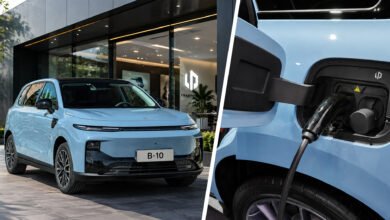
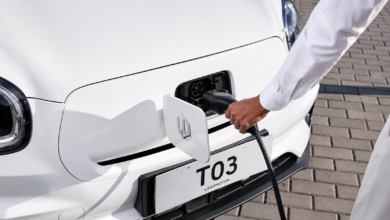
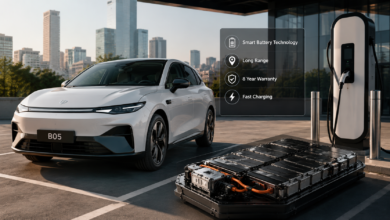
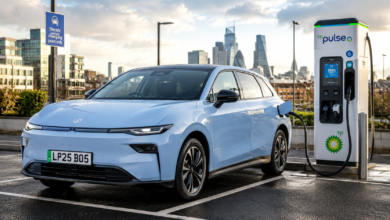
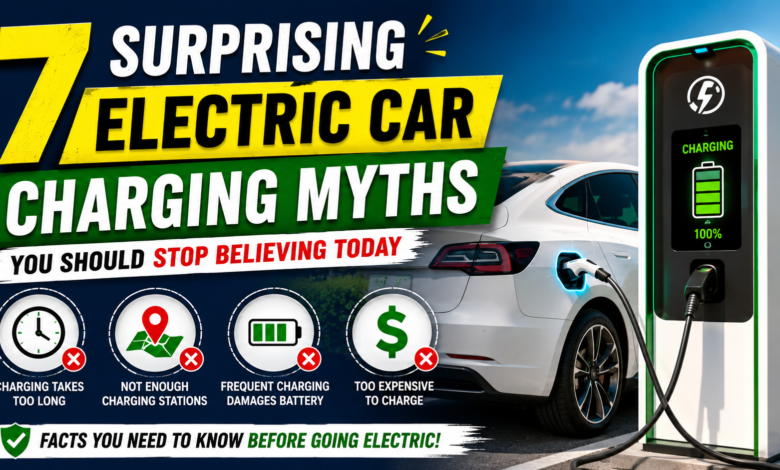
7 Surprising Electric Car Charging Myths You Should Stop Believing Today
electric car charging myths

Introduction
The rapid growth of electric vehicles has transformed the automotive industry, yet many people still hesitate to switch because of widespread electric car charging myths. Misunderstandings about charging time, battery health, charging costs, and public charging stations often create unnecessary concerns. While electric vehicles continue to become more efficient and charging infrastructure expands every year, outdated information still influences buying decisions. Understanding the facts behind these misconceptions helps drivers make informed choices and enjoy the real benefits of electric mobility. This guide explores the most common electric car charging myths, separates fact from fiction, and explains how modern charging technology has made owning an electric vehicle easier than ever before.
Common Electric Car Charging Myths and Why They Still Exist
Many electric car charging myths originated during the early days of electric vehicles when charging networks were limited and battery technology was still developing. Today, electric vehicles have improved dramatically, but these old assumptions continue to circulate through social media, word of mouth, and outdated online content.
People often compare charging an electric vehicle to filling a gasoline car without considering the differences in daily driving habits. Unlike conventional vehicles that require trips to a fuel station, most EV owners charge their vehicles while sleeping or working. This simple lifestyle difference changes how drivers think about convenience.
Another reason these misconceptions persist is that many individuals have never owned or driven an electric vehicle. Without firsthand experience, myths easily replace facts. As governments, manufacturers, and private companies continue investing in charging infrastructure, the reality of EV ownership becomes much more practical than many people expect.
Understanding these misconceptions is the first step toward making an informed decision about electric transportation.
Myth 1: Electric Car Charging Myths Say Charging Takes an Entire Day
Perhaps the most common belief is that charging an electric vehicle always requires many hours or even an entire day. While this statement may have been partially true for older electric vehicles using slow household outlets, it no longer reflects today’s technology.
Modern charging options are designed for different situations. Level 1 charging using a standard household outlet is the slowest method and is best suited for overnight charging. Level 2 chargers, commonly installed in homes, workplaces, and commercial parking areas, significantly reduce charging time and comfortably recharge most daily driving needs overnight.
Fast DC chargers provide another solution for long-distance travel. Depending on the vehicle model and charger capacity, many modern electric vehicles can recover hundreds of kilometers of driving range in approximately 20 to 40 minutes. Drivers often use this time for a coffee break, meal, or short rest before continuing their journey.
Charging speed also depends on battery size, charging equipment, battery temperature, and the vehicle’s charging capability. Instead of asking how long a complete charge takes, experienced EV owners focus on how quickly they can add enough range for their next destination.
This demonstrates why one of the most persistent electric car charging myths no longer matches today’s charging capabilities.
Real-World Charging Habits
Studies consistently show that most drivers travel far less than the maximum range offered by modern electric vehicles each day. Instead of waiting for a completely empty battery, owners simply recharge regularly, making charging part of their normal routine.
Myth 2: Electric Car Charging Myths Claim Public Charging Stations Are Impossible to Find
Another widespread misconception suggests that public charging stations are extremely rare. Although charging networks were limited several years ago, today’s infrastructure has expanded rapidly across cities, highways, shopping centers, hotels, office buildings, and residential communities.
Governments worldwide continue investing in nationwide charging infrastructure while private companies compete to install additional charging stations. This steady expansion means EV drivers now have access to significantly more charging options than ever before.
Navigation systems built into modern electric vehicles make locating nearby chargers remarkably simple. Drivers can search for available charging stations, monitor charger availability, estimate charging times, and even plan long-distance trips with automatic charging stops.
Many workplaces now provide employee charging facilities, while apartment complexes increasingly include EV charging as a valuable amenity. Retail centers also recognize that shoppers often spend more time and money while their vehicles charge.
The reality is that charging opportunities continue growing every year, making another of the popular electric car charging myths increasingly outdated.
Myth 3: Electric Car Charging Myths Suggest Frequent Charging Damages the Battery
Battery health remains one of the biggest concerns for potential EV buyers. Many believe frequent charging quickly degrades the battery and dramatically shortens vehicle life. Fortunately, modern battery technology tells a different story.
Today’s lithium-ion batteries include sophisticated battery management systems that carefully regulate charging speed, temperature, and energy flow. These intelligent systems help maximize battery lifespan while protecting the battery from conditions that could accelerate wear.
Manufacturers also recommend practical charging habits. Keeping the battery between moderate charge levels during everyday driving can support long-term battery health, although occasional full charges are perfectly appropriate when preparing for longer trips.
Temperature management has also improved significantly. Advanced cooling and heating systems maintain optimal battery conditions during charging, reducing stress on battery cells and improving overall durability.
Most major manufacturers provide lengthy battery warranties because they have confidence in the long-term performance of modern battery technology. Many electric vehicle batteries continue performing efficiently well beyond the warranty period with only gradual capacity reduction over many years.
It is important to understand that battery degradation occurs naturally over time in all rechargeable batteries, including smartphones and laptops. However, the rate of degradation in modern electric vehicles is much slower than many people assume.
Rather than worrying about charging too often, owners benefit more from following manufacturer recommendations, avoiding unnecessary exposure to extreme temperatures whenever possible, and using appropriate charging equipment.
These facts clearly challenge another long-standing example of electric car charging myths, proving that routine charging is part of normal vehicle ownership rather than a threat to battery longevity.
Myth 4: Electric Car Charging Myths Say Home Charging Is Too Expensive
One of the most misunderstood aspects of EV ownership is the cost of home charging. Many people assume they must spend thousands of dollars before they can conveniently charge an electric vehicle. While installing a dedicated Level 2 charger involves an upfront investment, it is not mandatory for every owner.
Many drivers begin by using a standard household outlet for overnight charging, especially if their daily commute is relatively short. Those who drive longer distances may choose to install a Level 2 charger for added convenience, but the decision depends on individual driving habits rather than necessity.
Electricity rates are generally more stable than gasoline prices, and many utility providers offer off-peak pricing that allows drivers to charge at lower rates during the night. Over time, the savings on fuel and routine maintenance can help offset the initial installation cost.
When evaluating the total cost of ownership, charging at home often proves to be one of the greatest advantages of electric vehicle ownership. Instead of making regular trips to a fuel station, drivers simply plug in their vehicles at the end of the day and wake up to a charged battery.
These practical realities show why electric car charging myths about high home charging costs deserve to be reconsidered.
Myth 5: Electric Car Charging Myths Mean EVs Cannot Handle Long Road Trips
Another common misconception is that electric vehicles are suitable only for city driving. While early EV models offered limited driving range, modern electric vehicles have significantly improved battery capacity and efficiency.
Many new models comfortably travel hundreds of kilometers on a single charge. Combined with expanding fast-charging networks, long-distance travel has become much easier than it was just a few years ago.
Planning remains an important part of EV road trips, but modern navigation systems simplify the process by identifying charging stops along the route. Drivers can estimate charging times, monitor battery levels, and adjust travel plans in real time.
For many travelers, short charging breaks every few hours naturally align with recommended rest stops, making the journey safer and more comfortable. Families often use these breaks for meals, stretching, or refreshments while the vehicle charges.
Although certain remote regions may still have fewer charging options, charging infrastructure continues to expand rapidly. As a result, another of the popular electric car charging myths is becoming less accurate with each passing year.
Practical Tips to Avoid Falling for Electric Car Charging Myths
Understanding the facts is only part of becoming a confident EV owner. Applying a few practical habits can make charging even more convenient.
Start by learning your vehicle’s charging capabilities and following the manufacturer’s recommendations. If you primarily drive short daily distances, overnight home charging may be all you need.
Before taking longer journeys, review your planned route and identify available charging locations. Most modern EV apps and built-in navigation systems make this process quick and straightforward.
Whenever possible, charge during off-peak electricity hours to reduce energy costs. Keeping charging equipment properly maintained also helps ensure safe and reliable performance.
Most importantly, rely on current information instead of outdated assumptions. As battery technology and charging infrastructure continue to improve, many long-standing electric car charging myths no longer reflect today’s reality.
Expert Insights on the Future of EV Charging
Industry experts agree that charging technology is advancing at an impressive pace. Faster charging systems, smarter battery management software, and improved charging infrastructure are making electric vehicles increasingly practical for a wider range of drivers.
Wireless charging technology is also under development in several markets, offering the possibility of charging without plugging in a cable. Meanwhile, innovations in battery chemistry continue to improve charging speed, energy density, and overall lifespan.
Governments, automotive manufacturers, and energy providers are working together to expand charging accessibility in urban areas, residential communities, workplaces, and along major highways. These developments will continue reducing charging concerns for future EV owners.
As technology evolves, many of today’s concerns will likely disappear entirely, replacing uncertainty with convenience and confidence.
Conclusion
The popularity of electric vehicles continues to grow, yet outdated misconceptions still prevent some people from embracing this technology. As we’ve explored throughout this guide, most electric car charging myths are based on information that no longer reflects modern electric vehicle ownership.
Charging does not always take all day, public charging stations are becoming increasingly accessible, modern batteries are designed for long-term durability, home charging can be affordable, and long-distance travel is more practical than many people imagine.
By understanding the facts instead of relying on misconceptions, drivers can make informed decisions based on current technology rather than outdated assumptions. As charging infrastructure expands and battery innovation continues, electric car charging myths will become even less relevant, allowing more people to enjoy the convenience, efficiency, and environmental benefits of electric mobility.
More EV Car Guides: Read more electric vehicle news, buying guides, reviews, and ownership tips on magazinerock.co.uk.
(FAQs)
What are the most common electric car charging myths?
Some of the most common myths include the belief that charging always takes an entire day, public chargers are difficult to find, charging damages the battery, home charging is too expensive, and electric vehicles cannot handle long road trips. Modern technology has addressed many of these concerns.
Does frequent charging reduce an electric vehicle’s battery life?
No. Modern electric vehicles use advanced battery management systems that carefully control charging and temperature. Following the manufacturer’s recommendations helps maintain battery performance for many years, and gradual battery aging is normal for all rechargeable batteries.
Is charging an electric car at home affordable?
For many owners, home charging is one of the most economical ways to operate an electric vehicle. Electricity is often less expensive than gasoline on a per-distance basis, and charging during off-peak hours can further reduce costs.
Can I travel long distances with an electric vehicle?
Yes. Most modern electric vehicles offer substantial driving range, and expanding fast-charging networks make long-distance travel increasingly convenient. Proper trip planning ensures a smooth and enjoyable journey.
Why do electric car charging myths continue to spread?
Many misconceptions originated when electric vehicles were new and charging infrastructure was limited. Although technology has advanced rapidly, outdated information continues circulating online and through personal conversations. Staying informed with current knowledge helps separate fact from fiction.