10 Powerful Benefits of EV battery balancing Every EV Owner Should Know
EV battery balancing

Introduction
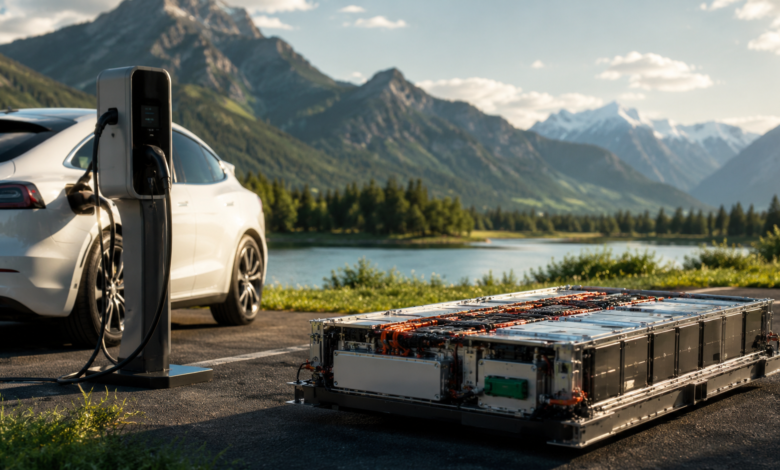
As electric vehicles continue to reshape the automotive industry, battery technology has become one of the most important factors determining vehicle performance, safety, and lifespan. At the heart of every EV battery pack is a sophisticated battery management system that ensures each battery cell works efficiently. One of its most important functions is EV battery balancing.
Without proper balancing, battery cells can become unevenly charged, reducing driving range, accelerating battery degradation, and increasing safety risks. Understanding EV battery balancing helps EV owners appreciate how modern electric vehicles maintain reliable performance while extending battery life. Whether you already own an electric vehicle or plan to buy one, learning about this essential process can help you make informed decisions and better understand your vehicle’s technology.
What Is EV battery balancing?
EV battery balancing is the process of ensuring that every battery cell inside an electric vehicle’s battery pack maintains a similar voltage and state of charge. Since an EV battery pack contains hundreds or even thousands of individual lithium-ion cells, even small differences between cells can affect the overall performance of the battery.
Over time, manufacturing variations, temperature changes, charging habits, and aging cause certain cells to charge or discharge at different rates. If these differences continue to grow, weaker cells limit the performance of the entire battery pack. The battery management system constantly monitors each cell and performs EV battery balancing whenever necessary to keep all cells operating within a safe and efficient range.
By maintaining balanced cells, the battery pack delivers consistent power, longer driving range, improved efficiency, and enhanced reliability.
How EV battery balancing Works
The battery management system (BMS) is responsible for monitoring voltage, temperature, and current across every battery cell. Whenever the system detects that some cells have higher voltage than others, it begins EV battery balancing to equalize the charge levels.
Passive Cell Balancing
Passive balancing is the most commonly used method. In this process, the battery management system safely releases excess energy from cells with higher voltage as heat through resistors. Although some energy is lost, this method is simple, reliable, and cost-effective.
Active Cell Balancing
Active balancing transfers electrical energy from highly charged cells to weaker cells instead of wasting it as heat. This method improves energy efficiency and allows better utilization of the battery pack. While active balancing is more complex and expensive, it offers superior long-term performance and is increasingly used in premium electric vehicles.
Both methods help maintain EV battery balancing, ensuring that all battery cells work together efficiently throughout the battery’s life.
Why EV battery balancing Is So Important
Proper battery balancing plays a critical role in maintaining the health and reliability of an electric vehicle battery. Since the battery pack functions as one complete system, the weakest cell often determines the performance of the entire pack.
One of the biggest advantages of EV battery balancing is improved battery lifespan. Balanced cells experience less stress during charging and discharging, reducing premature aging and capacity loss.
Another important benefit is increased driving range. When every battery cell contributes equally, the battery can store and deliver more usable energy, allowing the vehicle to travel farther on a single charge.
Safety is another major reason manufacturers prioritize EV battery balancing. Overcharged or undercharged cells may generate excessive heat, increasing the risk of thermal runaway and battery damage. Balanced cells significantly reduce these risks while supporting stable battery operation.
Drivers also experience more consistent vehicle performance. Balanced batteries provide smoother acceleration, stable power delivery, and reliable charging behavior throughout the battery’s service life.
Common Causes of Battery Cell Imbalance
Battery cell imbalance develops gradually due to several factors that naturally affect lithium-ion batteries.
Manufacturing tolerances mean that no two battery cells are perfectly identical. Even high-quality cells have slight differences in capacity and internal resistance.
Temperature variations also influence battery performance. Cells located near cooling systems may operate differently from cells positioned in warmer areas of the battery pack.
Frequent fast charging can accelerate differences between cells because rapid charging generates additional heat and places greater stress on individual cells.
Battery aging is another unavoidable factor. As cells go through repeated charging cycles, some degrade faster than others, making EV battery balancing increasingly important over time.
Long-term storage with a very high or very low state of charge can also contribute to imbalance if proper battery management is not maintained.
Benefits of EV battery balancing for EV Owners
For everyday EV owners, proper battery balancing delivers several practical advantages that directly improve ownership experience.
A balanced battery pack provides longer battery life, helping reduce expensive battery replacement costs. Since EV batteries represent one of the most valuable vehicle components, preserving their health offers significant financial benefits.
Charging efficiency also improves. Balanced battery cells allow the battery management system to optimize charging speed while reducing unnecessary interruptions caused by voltage differences.
Drivers enjoy more predictable driving range because balanced cells maximize usable battery capacity. This consistency reduces range anxiety during daily commuting and long-distance travel.
Vehicle performance remains stable across different driving conditions. Balanced batteries support efficient regenerative braking, smooth acceleration, and reliable power delivery.
Perhaps most importantly, EV battery balancing contributes to safer battery operation by minimizing excessive heat generation and reducing stress on individual battery cells.
Challenges and Future Developments in EV battery balancing
Although battery balancing technology continues to improve, engineers still face several challenges.
Passive balancing wastes a small amount of energy as heat, making it less energy-efficient than active balancing. Meanwhile, active balancing requires additional electronic components, increasing manufacturing complexity and cost.
Battery packs continue growing larger as electric vehicles offer longer driving ranges. Managing thousands of cells accurately requires increasingly advanced battery management software and sophisticated monitoring systems.
Artificial intelligence and machine learning are expected to improve future EV battery balancing by predicting cell behavior before imbalances occur. These smart systems will optimize charging strategies based on driving habits, weather conditions, and battery health.
Solid-state batteries may also change future balancing methods due to their different chemistry and improved stability. However, regardless of future battery technology, effective balancing will remain essential for maximizing battery performance.
Conclusion
Modern electric vehicles depend on advanced battery management systems to deliver safe, reliable, and efficient performance. EV battery balancing plays a vital role by ensuring every battery cell operates at nearly the same voltage and state of charge. This process improves battery lifespan, increases driving range, enhances charging efficiency, and supports overall vehicle safety.
As battery technology continues evolving, EV battery balancing will become even more intelligent and effective, helping electric vehicles deliver better performance while reducing long-term ownership costs. Whether you are an EV enthusiast or a first-time buyer, understanding EV battery balancing provides valuable insight into one of the most important technologies powering the future of transportation.
More EV Car Guides: Read more electric vehicle news, buying guides, reviews, and ownership tips on magazinerock.co.uk.
(FAQs)
What is EV battery balancing in simple words?
EV battery balancing is the process of keeping all battery cells inside an electric vehicle charged to nearly the same level. This helps the battery work efficiently, safely, and for a longer period.
How often does EV battery balancing happen?
Most modern electric vehicles perform EV battery balancing automatically through the battery management system during charging or while the vehicle is parked, depending on the manufacturer’s design.
Can drivers perform EV battery balancing manually?
No. In almost all electric vehicles, EV battery balancing is controlled automatically by the battery management system. Drivers simply need to follow recommended charging practices.
Does EV battery balancing increase battery life?
Yes. Proper EV battery balancing reduces stress on individual battery cells, minimizes uneven wear, and helps extend the overall lifespan of the battery pack while maintaining consistent performance.
What happens if EV battery balancing does not occur?
Without EV battery balancing, some battery cells become overcharged or undercharged, reducing driving range, decreasing battery capacity, lowering efficiency, and potentially increasing safety risks over time.