Boost your EV battery health check routine with simple tips to extend battery life, improve performance, and avoid costly repairs.
EV battery health check

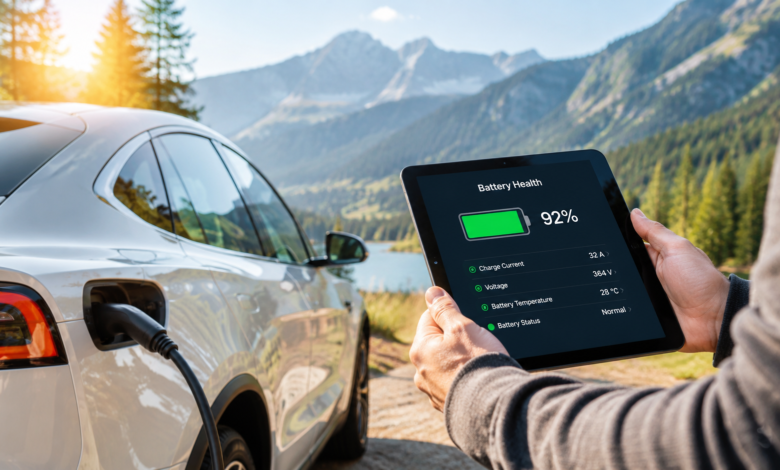
Introduction
Electric vehicles have transformed the way people travel by offering cleaner, quieter, and more efficient transportation. However, the battery remains the most valuable and expensive component of any EV. Ignoring its condition can lead to reduced driving range, slower charging, and unexpected repair costs. Performing a regular EV battery health check helps identify early signs of battery degradation before they become serious problems. Whether you own your first electric vehicle or have years of EV experience, understanding battery health allows you to protect your investment, improve long-term performance, and enjoy reliable driving. With the right habits and timely inspections, you can maximize battery lifespan while avoiding expensive surprises in the future.
Why an EV battery health check Matters More Than You Think
Many EV owners focus on charging speed and driving range but overlook the condition of the battery itself. While modern lithium-ion batteries are designed to last for many years, they naturally lose capacity over time. This gradual process, known as battery degradation, affects how much energy the battery can store and deliver.
A routine EV battery health check provides valuable insight into the battery’s current condition. Instead of waiting for warning lights or noticeable performance issues, regular monitoring allows you to detect changes early. This proactive approach reduces the risk of sudden failures and helps maintain consistent driving performance.
Battery health also influences resale value. Buyers are increasingly interested in knowing the remaining battery capacity before purchasing a used electric vehicle. A documented EV battery health check demonstrates responsible ownership and increases buyer confidence.
Environmental conditions also play an important role. Extreme heat, freezing temperatures, and repeated fast charging can accelerate battery wear. By monitoring battery health regularly, owners can adjust charging habits and driving patterns to reduce unnecessary stress on the battery pack.
Signs Your EV Battery May Need Attention
An electric vehicle rarely experiences complete battery failure without warning. In most cases, small performance changes appear long before major issues develop. Recognizing these signs can help you schedule an EV battery health check before the problem becomes costly.
One of the most noticeable indicators is reduced driving range. If your fully charged vehicle consistently travels fewer miles under similar driving conditions, the battery may be losing capacity. While seasonal weather can temporarily affect range, a long-term decline deserves closer inspection.
Another common symptom is slower charging performance. If charging sessions begin taking significantly longer than usual despite using the same charger, battery efficiency may be decreasing.
Drivers should also pay attention to inconsistent battery percentage readings. A battery level that suddenly drops or rises without explanation may indicate inaccurate battery management system calculations or developing battery issues.
Unexpected warning messages on the dashboard should never be ignored. Although not every alert signals a serious fault, combining these warnings with a professional EV battery health check can identify underlying concerns before they worsen.
Changes in energy efficiency also deserve attention. If your vehicle consumes noticeably more energy for the same daily commute, battery health could be contributing to reduced efficiency.
Factors That Influence Battery Degradation
Battery aging is affected by both time and usage. Frequent DC fast charging, consistently charging to 100%, allowing the battery to remain at very low charge levels, and exposure to high temperatures all contribute to faster degradation.
Driving aggressively with frequent rapid acceleration may also increase battery stress over extended periods. Although occasional spirited driving is unlikely to cause significant damage, maintaining balanced driving habits generally supports longer battery life.
Software updates provided by manufacturers often improve battery management and charging efficiency. Installing these updates ensures the battery management system continues operating as designed.
How to Perform an EV battery health check Effectively
Checking battery health has become much easier as EV technology continues to improve. Most modern electric vehicles provide useful battery information directly through the dashboard or companion smartphone application.
The simplest method is reviewing the estimated driving range after a full charge. Comparing this figure with the vehicle’s original range specification offers a general indication of battery capacity. Although driving style and weather affect range, long-term comparisons reveal meaningful trends.
Many manufacturers also display battery usage statistics, charging history, and energy efficiency data. These built-in tools make a routine EV battery health check convenient for everyday owners without requiring specialized equipment.
For a more accurate assessment, certified service centers can perform advanced battery diagnostics. Professional testing measures the State of Health (SOH), internal resistance, voltage consistency across battery cells, and overall battery performance. These detailed reports provide a much clearer picture than range estimates alone.
Third-party diagnostic devices compatible with many EV models can also retrieve battery information through the vehicle’s onboard diagnostic system. While these tools may offer additional insights, owners should ensure they use reputable devices designed specifically for electric vehicles.
Performing an EV battery health check every six to twelve months is a practical maintenance habit for most drivers. Owners who frequently use fast charging, drive long distances, or live in regions with extreme temperatures may benefit from more frequent monitoring.
Regular battery inspections do more than detect existing problems. They also help establish a performance history, making it easier to identify gradual changes over time. Instead of reacting to expensive failures, owners can make informed maintenance decisions based on measurable battery health data.
Best Practices to Maintain Long-Term Battery Health
A regular EV battery health check is most effective when combined with good battery care habits. While some battery degradation is unavoidable, proper maintenance can significantly slow the aging process and help your EV deliver reliable performance for many years.
One of the most effective practices is keeping the battery charge within the recommended range for everyday driving. Most manufacturers suggest maintaining a charge between 20% and 80% unless a full charge is needed for a long journey. This reduces stress on lithium-ion cells and supports long-term battery stability.
Charging habits also make a difference. Fast charging is convenient during road trips, but relying on it every day can generate additional heat, which may accelerate battery wear over time. Using a standard Level 2 charger for routine charging is generally a better choice for preserving battery condition.
Temperature management is another key factor. Parking in shaded areas during hot weather or using a garage whenever possible helps protect the battery from excessive heat. In colder climates, allowing the battery to warm up before driving or charging can improve efficiency and reduce strain.
Another valuable habit is scheduling a periodic EV battery health check even when the vehicle appears to be operating normally. Early monitoring often detects gradual changes that are difficult to notice during everyday driving.
Software updates should never be ignored. Manufacturers frequently release updates that improve battery management, charging efficiency, and energy optimization. Keeping the vehicle’s software current ensures the battery management system performs at its best.
Common Mistakes That Can Reduce Battery Life
Many battery problems develop because of everyday habits rather than manufacturing defects. Understanding these mistakes can help owners extend battery life and reduce maintenance costs.
Frequently charging the battery to 100% without necessity is one common mistake. Although a full charge is useful before long-distance travel, leaving the battery fully charged for extended periods may increase long-term degradation.
Allowing the battery to drain completely on a regular basis is another habit worth avoiding. Deep discharges place additional stress on battery cells and may shorten overall lifespan.
Ignoring unusual changes in charging speed, driving range, or dashboard notifications can also lead to more expensive repairs later. A timely EV battery health check can reveal whether these symptoms are caused by normal aging or an issue that requires professional attention.
Some drivers mistakenly believe battery maintenance is unnecessary because electric vehicles require less routine servicing than gasoline cars. While EVs have fewer moving parts, the battery remains a sophisticated system that benefits from regular monitoring and preventive care.
Extreme environmental conditions also deserve attention. Repeated exposure to excessive heat without adequate cooling or prolonged parking in freezing temperatures with a very low battery level can negatively affect long-term performance.
By avoiding these common mistakes and performing an EV battery health check at appropriate intervals, owners can improve reliability and reduce the likelihood of unexpected battery-related issues.
Conclusion
The battery is the heart of every electric vehicle, making proactive maintenance essential for dependable performance and long-term value. A routine EV battery health check allows drivers to identify early warning signs, monitor battery capacity, and make informed decisions before minor concerns become expensive repairs.
Healthy charging habits, careful temperature management, regular software updates, and professional diagnostics all contribute to extending battery lifespan. Instead of waiting for warning lights or noticeable range loss, scheduling an EV battery health check as part of your regular maintenance routine helps ensure your vehicle continues to perform efficiently for years to come.
As electric vehicles become increasingly popular, understanding battery health is no longer just for experts. Every EV owner can benefit from learning how the battery works, recognizing early signs of degradation, and making preventive maintenance a priority. A consistent EV battery health check is one of the smartest investments you can make to maximize performance, improve reliability, and protect the value of your electric vehicle.
More EV Car Guides: Read more electric vehicle news, buying guides, reviews, and ownership tips on magazinerock.co.uk.
(FAQs)
How often should I perform an EV battery health check?
Most experts recommend performing an EV battery health check every six to twelve months. If you frequently use DC fast charging, drive high annual mileage, or live in areas with extreme temperatures, more frequent inspections can help detect battery changes earlier.
What is considered a healthy EV battery?
A healthy battery typically retains a high percentage of its original capacity after several years of normal use. While some degradation is expected, a battery with strong State of Health (SOH), stable charging performance, and consistent driving range is generally considered to be in good condition.
Can I check my EV battery health at home?
Yes. Many modern electric vehicles provide battery information through the dashboard or a companion mobile app. These tools can offer useful insights into charging history, energy consumption, and estimated range. However, a professional EV battery health check provides more detailed diagnostic information, including battery cell performance and State of Health.
Does frequent fast charging damage an EV battery?
Occasional fast charging is perfectly safe and is supported by modern EVs. However, relying on fast charging for daily use may increase battery temperature and contribute to faster long-term degradation. Balancing fast charging with regular Level 2 charging is generally recommended.
Why is battery health important when buying or selling a used EV?
Battery condition directly affects driving range, charging efficiency, and overall vehicle value. A recent EV battery health check provides transparency about the battery’s condition, giving buyers greater confidence while helping sellers justify the vehicle’s market price with documented battery performance.