Introduction
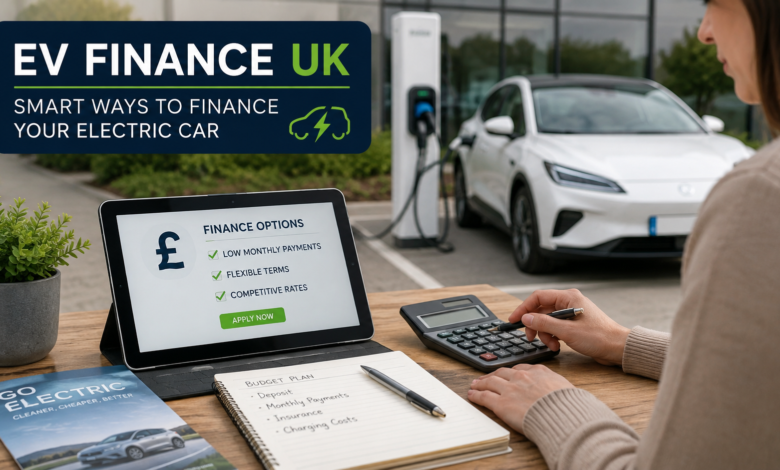
Buying an electric car is no longer a niche choice in Britain. With more drivers switching to cleaner vehicles, understanding EV finance UK options has become essential for making a cost-effective decision. Whether you are purchasing your first electric vehicle or upgrading from a petrol or diesel car, choosing the right finance option can save you thousands of pounds over the life of your agreement. From Personal Contract Purchase (PCP) and Hire Purchase (HP) to personal loans and leasing, there are several ways to spread the cost of an EV. This guide explains the most practical financing methods, their advantages, potential drawbacks, and how to choose the option that best suits your financial situation and driving needs.
Understanding EV finance UK and Why It Matters
The term EV finance UK refers to the different financial products available to help individuals and businesses purchase or lease electric vehicles across the United Kingdom. Since electric cars often have higher upfront prices than traditional petrol or diesel vehicles, financing has become one of the most popular ways to make ownership more affordable.
Instead of paying the full purchase price in one payment, finance allows you to spread the cost over several years through manageable monthly instalments. This makes modern electric vehicles accessible to a wider range of buyers while helping households manage their budgets more effectively.
As electric vehicle technology continues to improve, buyers now have access to a wider variety of models at different price points. Financing allows consumers to benefit from the latest battery technology, improved driving range, and advanced safety features without needing a large amount of savings upfront. Many finance providers also offer flexible repayment terms, making EV finance UK an attractive solution for different income levels.
Another reason financing has become increasingly popular is the UK’s ongoing transition toward low-emission transport. As more charging infrastructure becomes available and public awareness grows, electric vehicles continue to gain popularity among private motorists and business owners alike.
Personal Contract Purchase (PCP): A Flexible Financing Option
One of the most common forms of EV finance UK is Personal Contract Purchase, commonly known as PCP. This finance agreement offers flexibility and lower monthly payments compared to many traditional financing methods.
With PCP, you usually pay an initial deposit followed by fixed monthly payments over an agreed period, typically between two and four years. At the end of the contract, you have three choices. You can return the vehicle, trade it in for another model, or pay a final balloon payment to become the legal owner.
This option is particularly attractive for drivers who enjoy upgrading to newer vehicles every few years. Since electric vehicle technology evolves rapidly, PCP allows owners to switch to models with better battery efficiency and longer driving ranges without worrying about selling an older vehicle privately.
However, buyers should understand that mileage limits usually apply. Exceeding the agreed mileage or returning the vehicle with excessive wear and tear may result in additional charges. Before choosing PCP under EV finance UK, carefully estimate your annual driving distance to avoid unexpected costs later.
PCP is often well suited to drivers who value flexibility and want predictable monthly expenses rather than immediate ownership.
Hire Purchase (HP): Building Ownership with Fixed Payments
Hire Purchase remains one of the most straightforward EV finance UK options for buyers who ultimately want to own their electric vehicle.
Under an HP agreement, you pay a deposit followed by fixed monthly payments until the total cost of the vehicle has been repaid. Unlike PCP, there is no large balloon payment at the end of the agreement. Once all scheduled payments have been completed, ownership transfers directly to you.
Many buyers appreciate the simplicity of HP because every payment contributes toward owning the car. This makes budgeting easier and eliminates uncertainty about future vehicle values.
HP is especially beneficial for motorists planning to keep their electric vehicle for many years. If you expect to drive high annual mileage, this option avoids the mileage restrictions commonly associated with PCP agreements.
The main disadvantage is that monthly payments are generally higher because you are financing the vehicle’s full value. Buyers should compare interest rates, deposit requirements, and total repayment costs before signing any agreement.
When evaluating EV finance UK, it is important to calculate the total amount payable rather than focusing only on the monthly instalment. A slightly lower monthly payment may sometimes result in paying significantly more interest over the life of the agreement.
Personal Loans: Greater Freedom and Immediate Ownership
A personal loan provides another practical way to use EV finance UK for purchasing an electric vehicle.
Unlike dealer finance, a personal loan is arranged directly with a bank or financial institution. Once approved, the lender provides the funds, allowing you to purchase the vehicle outright. From day one, you become the legal owner of the car rather than financing it through the dealership.
This ownership offers several advantages. There are no mileage restrictions, no end-of-contract vehicle inspections, and complete freedom to sell or modify the vehicle whenever you choose.
Personal loans can also be financially attractive if you qualify for competitive interest rates. Borrowers with strong credit histories often receive lower rates, reducing the total borrowing cost compared with some dealership finance packages.
However, approval depends heavily on your credit score, income, and overall financial profile. Buyers with weaker credit histories may face higher interest rates or reduced borrowing limits.
Before selecting this route within EV finance UK, compare the Annual Percentage Rate (APR), repayment flexibility, early repayment charges, and overall affordability. Choosing the lowest monthly payment alone does not always result in the lowest total cost.
A well-planned personal loan can be an excellent solution for buyers who intend to keep their electric vehicle long term and prefer full ownership from the beginning.
Leasing an Electric Car: Lower Commitment and Greater Flexibility
Leasing has become one of the fastest-growing EV finance UK solutions, especially for drivers who value convenience and flexibility over ownership. Instead of buying the vehicle, you pay a fixed monthly fee to use it for an agreed period, usually between two and four years.
At the end of the lease, you simply return the car and, if you wish, lease a newer model. This approach appeals to motorists who enjoy driving the latest vehicles with improved battery technology, enhanced safety features, and modern infotainment systems.
Another advantage of leasing is that monthly payments are often lower than those of some ownership-based finance agreements. Since you are only paying for the vehicle’s depreciation during the contract, it can be a cost-effective option for many households. Some lease agreements also include maintenance packages, making it easier to budget for vehicle expenses.
However, leasing is not suitable for everyone. You will not own the car at the end of the agreement, and contracts usually include annual mileage limits. Exceeding those limits or returning the vehicle with excessive damage may result in additional charges.
When comparing EV finance UK leasing options, consider the total contract cost, mileage allowance, maintenance coverage, and any fees for ending the agreement early. Reading the terms carefully before signing will help you avoid unexpected costs.
Government Incentives, Business Finance, and Choosing the Right Option
While some previous purchase grants have changed over time, electric vehicle buyers in the UK can still benefit from various incentives depending on their circumstances. Businesses, company car drivers, and fleet operators may enjoy tax advantages that make electric vehicles even more affordable.
Business owners often use EV finance UK to spread the cost of expanding their fleet while benefiting from lower running costs and attractive tax treatment. Company car drivers may also benefit from favourable Benefit-in-Kind (BiK) tax rates for eligible electric vehicles, making them a financially appealing choice.
In addition to tax incentives, electric vehicles generally cost less to run than petrol or diesel cars. Charging at home is often cheaper than refuelling with conventional fuels, while fewer moving parts can reduce routine maintenance costs. These long-term savings should always be considered when comparing finance options.
Choosing the right finance solution depends on several personal factors. Consider your monthly budget, expected annual mileage, desired ownership goals, credit profile, and how long you intend to keep the vehicle.
For example, a driver who likes changing cars every few years may prefer PCP or leasing. Someone planning to keep the vehicle for many years may find Hire Purchase or a personal loan more suitable. Business owners should also evaluate whether commercial finance products provide additional tax advantages.
It is equally important to review the Annual Percentage Rate (APR), deposit requirements, repayment period, total borrowing cost, and any early settlement fees. Looking beyond the monthly payment helps you understand the true cost of financing.
Financial experts also recommend checking your credit report before applying. A stronger credit score can improve your chances of approval and help secure more competitive interest rates. Even a small reduction in interest can save a considerable amount over several years.
As the electric vehicle market continues to expand, lenders are offering increasingly competitive products tailored to different customer needs. Comparing several providers before making a decision remains one of the smartest ways to maximise value through EV finance UK.
Conclusion
Finding the best EV finance UK solution requires more than simply choosing the lowest monthly payment. Buyers should evaluate the total repayment cost, ownership goals, flexibility, mileage requirements, and long-term affordability before signing any agreement.
Personal Contract Purchase offers flexibility for drivers who enjoy upgrading regularly, while Hire Purchase provides a clear path to ownership. Personal loans give immediate ownership and complete freedom, whereas leasing offers convenience with lower long-term commitment. Business finance and available tax incentives can further improve affordability for eligible buyers.
As electric vehicles become an increasingly common sight on UK roads, selecting the right finance option is just as important as choosing the right car. By comparing available products carefully and understanding your financial priorities, you can confidently select the EV finance UK option that delivers the best value for your budget and driving lifestyle.
More EV Car Guides: Read more electric vehicle news, buying guides, reviews, and ownership tips on magazinerock.co.uk.
FAQs
What is EV finance UK?
EV finance UK refers to the range of financial products available in the United Kingdom to help individuals and businesses purchase or lease electric vehicles. These include Personal Contract Purchase (PCP), Hire Purchase (HP), personal loans, leasing agreements, and business finance options.
Which finance option is best for an electric car?
The best option depends on your personal circumstances. PCP is suitable for drivers who like replacing their vehicles every few years, HP is ideal for those who want ownership, personal loans provide immediate ownership, and leasing is a good choice for drivers seeking flexibility and lower monthly commitments.
Can I get electric car finance with a poor credit score?
Yes, some lenders offer finance to applicants with less-than-perfect credit histories. However, approval may come with higher interest rates or stricter lending conditions. Improving your credit score before applying can increase your chances of securing better finance terms.
Is leasing better than buying an electric vehicle?
Leasing is often beneficial if you prefer driving the latest models without worrying about resale value. Buying may be the better option if you intend to keep the vehicle for many years and want to build ownership over time. The right choice depends on your financial goals and driving habits.
What should I compare before choosing an electric car finance agreement?
Compare the interest rate, APR, deposit amount, monthly payments, repayment period, total cost of borrowing, mileage restrictions, ownership terms, maintenance options, and any early repayment or termination charges. Reviewing these factors carefully will help you select the most suitable EV finance UK solution for your needs.