Hybrid vs Electric Car UK: The Ultimate Guide to Making the Best Buying Decision
hybrid vs electric car UK

Introduction
Choosing between a hybrid and an electric vehicle has become one of the biggest decisions for UK drivers. If you are researching hybrid vs electric car UK, you are likely looking for a vehicle that suits your budget, driving habits, and long-term costs. With rising fuel prices, expanding charging infrastructure, and increasing government support for cleaner transportation, both options offer attractive advantages. However, they are designed for different lifestyles.
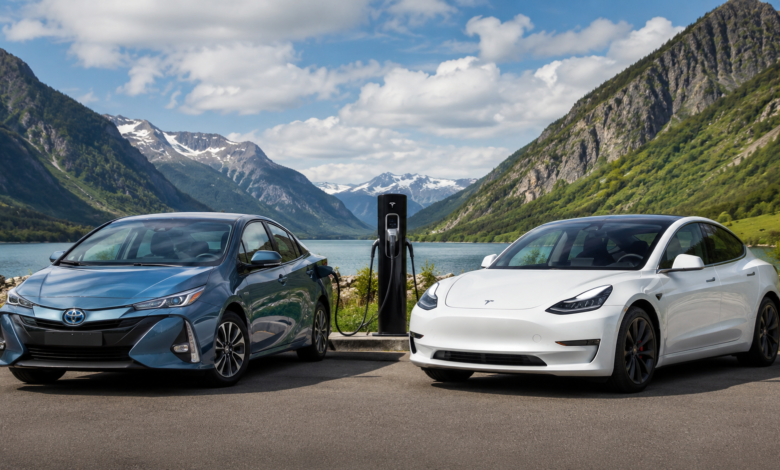
A hybrid car combines a petrol engine with an electric motor, while a fully electric car runs entirely on battery power. Although both help reduce emissions and fuel costs compared to traditional petrol or diesel vehicles, their ownership experience is quite different. Understanding these differences will help you make an informed investment that meets your daily travel needs and future expectations.
This guide explains everything UK buyers should know before making a purchase, from running costs and charging to performance, maintenance, and long-term value.
Understanding the Difference Between Hybrid and Electric Cars
When comparing hybrid vs electric car UK, it is essential to understand how each vehicle works.
A hybrid vehicle uses two power sources: a conventional petrol engine and an electric motor. The battery charges automatically through regenerative braking and the petrol engine, so drivers never need to plug the car into a charger. During low-speed driving, the electric motor often powers the vehicle independently, helping reduce fuel consumption. At higher speeds or during rapid acceleration, the petrol engine provides additional power.
Electric vehicles, commonly known as EVs, rely entirely on electricity stored in a large battery pack. Instead of visiting a petrol station, owners recharge the battery using home chargers or public charging stations. Since there is no internal combustion engine, electric cars produce zero tailpipe emissions while driving and deliver instant torque for smooth acceleration.
The main difference lies in energy sources. Hybrid vehicles continue to depend on petrol, whereas electric vehicles eliminate fuel entirely. This distinction significantly affects running costs, maintenance requirements, environmental impact, and the overall driving experience.
Another important consideration is flexibility. Hybrid cars are particularly suitable for drivers who regularly travel long distances or live in areas where public charging infrastructure is still developing. Electric vehicles, on the other hand, are an excellent choice for drivers who have reliable access to charging facilities and primarily complete short to medium daily journeys.
Understanding these fundamentals makes evaluating hybrid vs electric car UK much easier before comparing costs and practical ownership factors.
Running Costs anhttp://The Highway Code (UK)d Daily Ownership Experience
One of the biggest reasons people search for hybrid vs electric car UK is to understand which option costs less to own over time.
Fuel remains one of the largest expenses for traditional vehicles. Hybrid cars reduce fuel consumption considerably by allowing the electric motor to handle lower-speed driving. Drivers who frequently travel through urban traffic often notice significant savings because the petrol engine operates less frequently.
Electric vehicles remove petrol costs altogether. Charging at home, particularly during off-peak electricity tariffs, can be substantially cheaper than filling a fuel tank. For commuters with predictable daily mileage, this often results in noticeably lower monthly running expenses.
Maintenance is another major factor. Hybrid vehicles still contain an engine, transmission, exhaust components, and other mechanical systems requiring regular servicing. Although hybrids generally experience less engine wear due to electric assistance, they still need oil changes and engine maintenance.
Electric cars have fewer moving parts, eliminating many traditional maintenance requirements. There is no engine oil to replace, no exhaust system to repair, and fewer components that experience mechanical wear. Brake systems also tend to last longer because regenerative braking reduces friction brake usage.
Insurance costs vary depending on the model, battery value, repair complexity, and driver profile. While some electric vehicles may have slightly higher insurance premiums, lower fuel and maintenance expenses often offset these costs over the vehicle’s lifetime.
Depreciation has historically been a concern for electric vehicles, but the market continues to mature as battery technology improves and consumer confidence increases. Many manufacturers now offer extended battery warranties, providing buyers with additional peace of mind.
When evaluating hybrid vs electric car UK, it is important to calculate total ownership costs rather than focusing solely on the purchase price. Factors such as annual mileage, local electricity prices, servicing schedules, insurance premiums, and expected resale value all contribute to the overall financial picture.
Ultimately, the better option depends on your individual driving habits. Drivers covering mostly city miles may benefit more from a fully electric vehicle, while those regularly travelling hundreds of motorway miles without convenient charging access may find a hybrid offers greater flexibility without changing their routine.
Charging, Refuelling, and Driving Convenience
Convenience is often the deciding factor when comparing hybrid vs electric car UK. While both vehicle types are designed to reduce environmental impact and lower running costs, the way they are powered creates a very different ownership experience.
Hybrid vehicles offer a familiar driving routine because they can be refuelled at any petrol station within minutes. Drivers do not need to plan journeys around charging points, making hybrids an appealing option for those who frequently travel long distances or live in areas where charging infrastructure is still limited. Since the battery is charged automatically through regenerative braking and the petrol engine, there is no need to install home charging equipment.
Electric vehicles require a different mindset. Instead of refuelling with petrol, owners recharge the battery at home, at work, or at public charging stations. Home charging is often the most convenient and cost-effective option, especially for people with off-street parking. Plugging the car in overnight means starting each day with a fully charged battery, eliminating regular trips to the petrol station.
The UK’s public charging network has expanded rapidly over recent years, making electric vehicle ownership more practical than ever. Fast and ultra-rapid chargers continue to appear at motorway service stations, shopping centres, supermarkets, and public car parks. However, charging times still vary depending on battery size and charger speed. While rapid chargers can significantly reduce waiting time, they are not always as quick as filling a fuel tank.
Journey planning is another important consideration. Hybrid drivers rarely need to think about fuel availability because petrol stations are widely accessible. Electric vehicle owners may need to consider charging stops during longer trips, although many modern EVs now offer impressive driving ranges capable of covering hundreds of miles on a single charge.
When evaluating hybrid vs electric car UK, convenience largely depends on your lifestyle. Drivers with reliable home charging often find electric ownership extremely simple, while those without dedicated parking may appreciate the flexibility of a hybrid.
Environmental Impact and Future Regulations
Environmental responsibility is one of the strongest reasons many buyers explore hybrid vs electric car UK before purchasing a new vehicle.
Hybrid cars produce fewer emissions than traditional petrol or diesel vehicles because the electric motor reduces fuel consumption, particularly during urban driving. Lower emissions contribute to improved air quality and reduced carbon output, making hybrids a practical transitional technology for drivers not yet ready to switch completely to electricity.
Electric vehicles take this a step further by producing zero tailpipe emissions during operation. Although electricity generation and battery manufacturing still have environmental impacts, studies consistently show that electric vehicles generally produce lower lifetime carbon emissions than conventional vehicles, especially as renewable energy continues to increase across the UK electricity grid.
Government policies are also influencing purchasing decisions. The UK continues encouraging the transition towards cleaner transportation through emissions regulations and long-term environmental strategies. As cities introduce stricter clean air initiatives, fully electric vehicles may enjoy greater advantages regarding urban access and future compliance.
Battery recycling technology is improving rapidly, addressing concerns about sustainability and resource management. Manufacturers are investing heavily in recovering valuable materials such as lithium, nickel, and cobalt, helping reduce the environmental footprint of future battery production.
Consumers considering hybrid vs electric car UK should think beyond today’s regulations and consider how environmental policies may evolve over the coming decade. Choosing a vehicle that aligns with future standards may help protect resale value while supporting broader sustainability goals.
Which Option Is Best for Different Types of Drivers?
There is no universal answer to hybrid vs electric car UK because every driver’s circumstances are different.
For city commuters covering relatively short daily distances, electric vehicles often provide the greatest financial benefits. Frequent stop-and-go traffic allows regenerative braking to maximise efficiency, while home charging keeps operating costs low. Drivers with private driveways or garages usually find charging particularly convenient.
Families who regularly travel both locally and across the country may prefer a hybrid vehicle if charging availability remains uncertain. The ability to switch seamlessly between electric assistance and petrol power provides reassurance during longer journeys, especially in remote areas.
Business users often compare taxation, operating expenses, servicing costs, and expected mileage before making a decision. Depending on usage patterns, either option may deliver long-term savings. Companies increasingly adopt electric fleets due to lower operating costs and sustainability objectives, while some businesses continue selecting hybrids where maximum flexibility is required.
Rural drivers should carefully assess charging availability before purchasing a fully electric vehicle. Although infrastructure continues expanding throughout the UK, hybrids remain attractive for locations where public charging stations are less common.
Budget also plays an important role. While electric vehicles sometimes have higher initial purchase prices, lower running costs can offset that investment over several years. Hybrid models generally offer a lower barrier to entry for buyers transitioning away from conventional petrol vehicles.
Ultimately, selecting between hybrid vs electric car UK depends on balancing convenience, daily mileage, charging access, environmental priorities, and long-term ownership costs rather than focusing on a single feature alone.
Conclusion
Deciding between a hybrid and a fully electric vehicle ultimately comes down to your driving habits, budget, and access to charging facilities. Throughout this guide, we have explored the major differences in performance, running costs, maintenance, environmental impact, and long-term ownership to help you make an informed choice.
If you regularly drive long distances, value quick refuelling, or do not have convenient access to home charging, a hybrid can provide excellent flexibility while still reducing fuel consumption and emissions. On the other hand, if your daily journeys are relatively short, you have access to reliable charging, and you want the lowest possible running costs, a fully electric vehicle is likely to be the better long-term investment.
As battery technology continues to improve and the UK’s charging infrastructure expands, electric vehicles are becoming increasingly practical for more households. However, hybrid models remain an excellent solution for drivers who want greater confidence on longer journeys without changing their driving routine.
When comparing hybrid vs electric car UK, there is no single vehicle that suits everyone. The best choice is the one that fits your lifestyle, travel patterns, financial goals, and future plans. By carefully evaluating your daily mileage, charging options, servicing expectations, and ownership costs, you can confidently select a vehicle that delivers value for many years to come. Whether you choose a hybrid or a fully electric model, understanding hybrid vs electric car UK will help ensure you invest in a vehicle that meets both your current and future needs.
More EV Car Guides: Read more electric vehicle news, buying guides, reviews, and ownership tips on magazinerock.co.uk.
FAQs
Is a hybrid or electric car cheaper to run in the UK?
For most drivers, electric cars are cheaper to run because electricity generally costs less than petrol, especially when charging at home during off-peak hours. Electric vehicles also require less maintenance due to having fewer moving parts. However, the total cost depends on annual mileage, electricity prices, insurance, and charging availability. Comparing hybrid vs electric car UK based on your own driving habits will provide the most accurate answer.
Which is better for long-distance driving in the UK?
Hybrid vehicles are usually better suited to frequent long-distance travel because they can be refuelled quickly at any petrol station without requiring charging stops. Although many modern electric cars now offer impressive driving ranges, journey planning may still be necessary for extended motorway trips. This is an important factor when considering hybrid vs electric car UK.
Do hybrid cars need to be plugged in?
Most self-charging hybrid vehicles do not need to be plugged in. Their batteries recharge automatically through regenerative braking and the petrol engine. However, plug-in hybrid models can be connected to a charger to increase electric-only driving distance. Understanding the type of hybrid you are buying is essential when evaluating hybrid vs electric car UK.
Are electric cars better for the environment than hybrids?
In most cases, yes. Electric vehicles produce zero tailpipe emissions during driving and generally have lower lifetime carbon emissions than petrol-powered vehicles, particularly when charged using renewable electricity. Hybrid cars still burn petrol but usually emit less carbon than conventional petrol or diesel models. This environmental difference is one of the key considerations in hybrid vs electric car UK.
Should I buy a hybrid or an electric car in 2026?
The right choice depends on your circumstances. If you have home charging, mainly drive in towns or cities, and want the lowest running costs, a fully electric car is often the better option. If you regularly travel long distances or lack convenient charging access, a hybrid may provide greater flexibility. Carefully assessing hybrid vs electric car UK according to your daily driving requirements, budget, and future plans will help you make the best purchasing decision.