Ultimate EV Road Trip UK Guide: Plan the Perfect Electric Adventure Across Britain in 2026
EV road trip UK

Introduction
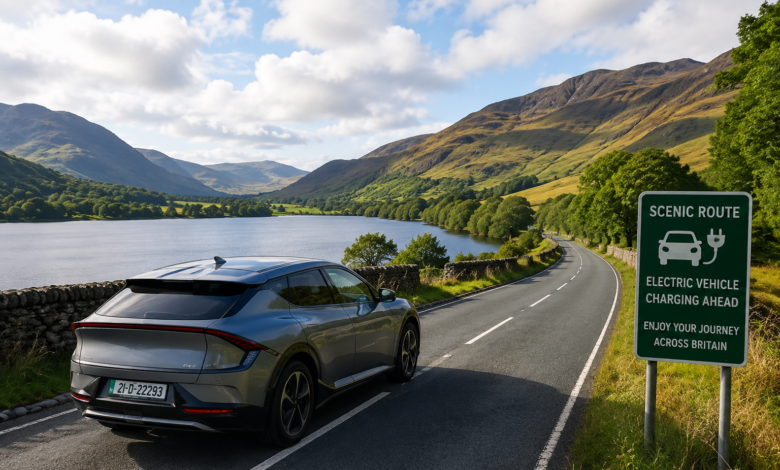
Planning an EV road trip UK has never been more exciting for American travelers looking to explore Britain in a smarter and greener way. With an expanding UK EV charging network, reliable EV charging stations Britain, and scenic driving routes, you can enjoy every mile without constant concern about your battery. Whether you’re heading through the Lake District, the Scottish Highlands, or Cornwall, careful EV travel planning helps you save time and money while making the journey stress-free.
This guide covers everything you need to know, from choosing the right electric vehicle to finding EV-friendly accommodation, managing charging costs, and discovering unforgettable destinations for a memorable British road trip.
Why an EV Road Trip Across Britain Is Better Than Ever
The popularity of electric vehicles continues to grow across the UK, and one of the biggest reasons is how convenient long-distance travel has become. A few years ago, many drivers worried about limited battery range and finding available charging stations. Today, those concerns have reduced significantly thanks to a larger public charging network and more efficient EV technology.
Modern electric cars regularly offer driving ranges of 250 to 400 miles on a full charge, making weekend breaks and longer holidays much easier to plan. Combined with fast-charging stations located along major motorways and popular tourist routes, drivers can travel confidently without constantly checking the battery percentage.
An EV road trip UK also offers financial advantages. Charging an electric vehicle is often more affordable than filling a petrol or diesel car, especially when using home charging before departure. Lower maintenance requirements and reduced running costs make electric travel even more appealing for families, couples, and solo adventurers.
Beyond the savings, travelling in an electric vehicle provides a quieter and more relaxing driving experience. Instant torque, smooth acceleration, and reduced cabin noise allow drivers to enjoy Britain’s scenic landscapes without the constant engine sound associated with traditional vehicles.
How to Prepare Your Electric Vehicle Before You Travel
Proper preparation is the foundation of a successful road trip. Spending a little time checking your vehicle before leaving can prevent unnecessary delays and help maximise driving efficiency.
Check Your Battery Health
The battery is the heart of every electric vehicle. Before setting off, ensure your battery is fully charged and performing normally. If your vehicle has travelled high mileage or displays any warning messages, consider scheduling a battery inspection beforehand.
Understanding your vehicle’s realistic driving range is equally important. Manufacturer figures are based on ideal conditions, while real-world range depends on speed, weather, road conditions, and vehicle load.
Inspect Tyres and Brakes
Tyres play a major role in both safety and efficiency. Check tyre pressure according to the manufacturer’s recommendation, as underinflated tyres increase energy consumption and reduce range.
Although regenerative braking reduces brake wear, your braking system should still be inspected regularly. Confirm that brake fluid levels are correct and ensure there are no unusual noises before starting your journey.
Update Vehicle Software
Many modern electric vehicles receive software updates that improve battery management, navigation, charging performance, and driver assistance features. Installing the latest updates before your EV road trip UK can improve both convenience and efficiency.
Pack Smart Without Overloading
Extra luggage adds weight, and additional weight reduces battery efficiency. Pack only essential items and distribute heavier luggage evenly inside the vehicle. Roof boxes and bicycle carriers also increase aerodynamic drag, which may lower driving range, particularly during motorway travel.
Planning the Best EV Road Trip Route
Successful electric vehicle travel depends on good planning rather than constant charging. A well-planned route helps you spend more time enjoying your destination and less time worrying about battery levels.
Choose Charging Stops Around Your Journey
Instead of viewing charging as an inconvenience, treat it as part of the travel experience. Plan charging stops near cafés, scenic viewpoints, shopping centres, walking trails, or local attractions. This approach allows both you and your vehicle to recharge at the same time.
Most rapid chargers can add a significant amount of range in approximately 20 to 40 minutes, making them ideal for coffee breaks or lunch stops.
Consider Weather Conditions
Weather has a noticeable impact on electric vehicle performance. Cold temperatures require additional energy for battery conditioning and cabin heating, while extremely hot weather increases air conditioning use.
Rain, strong headwinds, steep hills, and motorway speeds can also reduce driving range. When planning your journey, leave a comfortable battery reserve rather than aiming to arrive with very little charge remaining.
Avoid Travelling During Peak Charging Times
Popular charging stations near tourist destinations may become busier during weekends, public holidays, and school breaks. Travelling slightly earlier or later can reduce waiting times and make charging more convenient.
Experienced EV drivers often build flexibility into their travel plans instead of relying on a single charging location.
Understanding the Real Cost of an EV Road Trip
One of the biggest advantages of an electric holiday is the lower cost of travelling compared to conventional vehicles. While electricity prices vary depending on where you charge, many drivers still spend considerably less than they would on petrol or diesel.
Charging your vehicle at home before departure is usually the most economical option. Starting your journey with a full battery allows you to complete a large portion of your trip before needing public charging.
Rapid public chargers generally cost more than home charging, but they provide valuable convenience during longer journeys. Many drivers combine home charging with occasional rapid charging to balance cost and flexibility.
When calculating your travel budget, consider additional expenses such as accommodation, parking, food, and local attractions alongside charging costs. Even after including these expenses, an EV road trip UK often proves to be a cost-effective way to explore Britain.
Another financial benefit comes from lower maintenance requirements. Electric vehicles do not require oil changes or many of the routine services associated with petrol and diesel cars, helping reduce overall ownership costs throughout the year.
Best Destinations for an EV Road Trip UK
Britain offers countless scenic routes that are perfect for electric vehicle travel. Thanks to the growing charging network, many of the country’s most popular holiday destinations are now easily accessible by EV.
Explore the Lake District
The Lake District remains one of the top choices for an electric road trip. Winding roads, picturesque villages, and breathtaking lakes make every mile enjoyable. Many hotels, holiday cottages, and visitor attractions now provide EV charging facilities, making overnight stays even more convenient.
Discover the Scottish Highlands
For drivers looking for dramatic landscapes, the Scottish Highlands offer an unforgettable experience. Although distances between towns can be greater than in other parts of Britain, careful planning and strategic charging stops allow for a smooth journey. The peaceful roads and stunning mountain views make the trip worthwhile.
Visit Cornwall’s Coastal Villages
Cornwall combines beautiful beaches, historic harbours, and scenic coastal drives. Charging infrastructure has improved significantly in recent years, allowing EV drivers to explore the region with confidence while enjoying one of Britain’s most popular holiday destinations.
Experience Snowdonia and North Wales
North Wales is another excellent destination for an EV road trip UK. Mountain roads, castles, and national parks create a memorable driving experience. Planning charging stops before entering more remote areas ensures a relaxed and enjoyable adventure.
Charging Etiquette and Common Mistakes to Avoid
Public charging stations are becoming increasingly common, but using them responsibly helps everyone enjoy a better travel experience.
Once your battery has reached a sufficient charge, move your vehicle promptly so other drivers can use the charger. Avoid occupying charging bays if you are not actively charging your vehicle.
One of the biggest mistakes first-time EV travellers make is waiting until the battery is almost empty before searching for a charger. Instead, begin looking for your next charging stop when the battery reaches around 20–30%. This provides greater flexibility if your preferred charging station is busy or temporarily unavailable.
Another common mistake is relying entirely on one charging location. Having an alternative charger planned nearby provides peace of mind and reduces unnecessary stress during longer journeys.
Expert Tips to Maximise EV Range
Getting the most from your battery helps reduce charging stops and improves overall efficiency.
Maintain a steady speed whenever possible, especially on motorways, as rapid acceleration and high-speed driving consume more energy. Smooth driving habits not only improve battery range but also create a more comfortable journey.
Use regenerative braking effectively by anticipating traffic and slowing down gradually. This system recovers energy while reducing wear on the braking system.
Climate control can also affect battery performance. Pre-conditioning the cabin while the vehicle is still connected to a charger helps maintain comfort without using additional battery power once you begin driving.
Regularly checking tyre pressure during longer trips is another simple way to improve efficiency. Correctly inflated tyres reduce rolling resistance and contribute to better energy consumption.
These practical habits make every EV road trip UK more efficient while helping drivers travel greater distances between charging stops.
Making Family EV Holidays More Enjoyable
Travelling with family requires a little extra planning, but electric vehicles can make holidays surprisingly comfortable.
Plan charging stops around meal breaks, children’s play areas, or scenic attractions so every stop becomes part of the experience rather than an interruption. Instead of viewing charging time as a delay, use it as an opportunity to stretch, relax, and enjoy local surroundings.
Pack entertainment for younger passengers, including books, travel games, or downloaded films. Many charging sessions last only 20 to 30 minutes, making them the perfect opportunity for a quick break before continuing the journey.
If you’re travelling with pets, choose charging locations that provide open spaces where animals can safely stretch their legs and stay comfortable throughout the trip.
With thoughtful planning, an electric road trip can be just as convenient—and often more relaxing—than travelling in a conventional vehicle.
Is an EV Road Trip Worth It?
For many drivers, the answer is a definite yes. Electric vehicles combine lower running costs with a quieter driving experience and reduced maintenance requirements, making them an excellent choice for exploring Britain.
Today’s charging infrastructure allows drivers to travel confidently across the country, while improved battery technology continues to extend driving range. Rather than focusing on fuel stations, EV drivers naturally build enjoyable breaks into their journeys, creating a more relaxed travel experience.
Whether you’re planning a weekend escape or a two-week holiday, an EV road trip UK offers an enjoyable balance of affordability, convenience, and adventure.
Conclusion
An EV road trip UK is no longer something that requires extensive planning or causes range anxiety. With longer-range electric vehicles, a growing charging network, and smarter route-planning tools, exploring Britain by EV has become easier than ever. By preparing your vehicle, planning sensible charging stops, driving efficiently, and allowing flexibility in your schedule, you can enjoy a stress-free journey while keeping travel costs under control. From the Lake District and Snowdonia to the Scottish Highlands and Cornwall, Britain offers incredible destinations that are perfectly suited to electric vehicle travel. If you’re looking for a modern, economical, and environmentally conscious way to explore the country, an EV road trip UK is one of the best travel experiences you can choose in 2026.
FAQs
1. How do I plan an EV road trip in the UK?
Start by fully charging your vehicle at home, map your route in advance, identify reliable charging locations along the way, and keep a backup charging option for longer journeys. Planning rest breaks around charging stops makes the trip more enjoyable.
2. How much does an EV road trip cost in the UK?
The total cost depends on your vehicle, charging methods, and travel distance. Home charging is generally the most affordable option, while rapid public chargers cost more but provide convenience. Even so, electric road trips are often cheaper than travelling in petrol or diesel cars.
3. How often should I stop to charge during an EV road trip?
This depends on your vehicle’s battery capacity, driving style, weather, and route. Most drivers schedule charging every 150 to 250 miles, allowing for comfortable breaks while maintaining a safe battery reserve.
4. What should I pack for an EV road trip?
Bring your charging cables, any necessary charging adapters, emergency equipment, tyre repair kit, first-aid supplies, water, snacks, and suitable clothing for changing weather. Packing efficiently also helps maximise battery range.
5. Is an electric vehicle suitable for long-distance travel across Britain?
Yes. Modern electric vehicles are well suited to long-distance travel thanks to improved battery range and the UK’s expanding charging infrastructure. With proper planning, an EV road trip UK can be smooth, cost-effective, and enjoyable for families, couples, and solo travellers alike.


One Comment