Essential EV Charging Etiquette UK Rules Every Driver Should Know
EV charging etiquette UK

Introduction
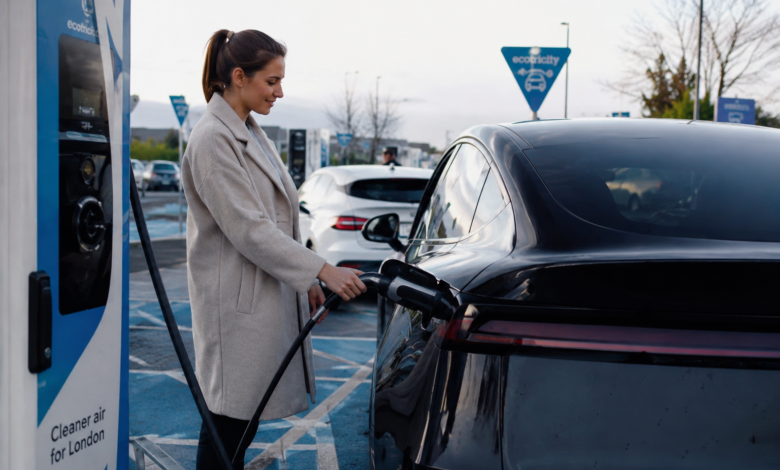
The rapid rise of electric vehicles has made EV charging etiquette UK an essential topic for every driver. As more people rely on public charging stations, sharing charging spaces responsibly is just as important as following the rules of the road. Good charging habits help reduce waiting times, improve charger availability, and create a better experience for the entire EV community.
Whether you use a rapid charger during long journeys or charge at local destinations, understanding proper etiquette benefits everyone. By respecting charging bays, moving your vehicle promptly, and using the right charging infrastructure, you can support a smoother, fairer, and more efficient electric vehicle network across the United Kingdom.
Why EV Charging Etiquette Matters in the UK
The rapid growth of electric vehicles has transformed the UK’s transport landscape. With more battery electric vehicles and plug-in hybrids on the road, demand for public charging infrastructure continues to increase. Although thousands of new charge points are being installed every year, busy locations can still experience queues during peak travel periods.
This is where EV charging etiquette UK becomes essential. Charging stations are not simply parking spaces; they are shared resources designed to keep drivers moving. Every motorist who uses a charger responsibly contributes to shorter waiting times, better charger availability, and a more positive experience for the entire EV community.
Practising good etiquette also helps protect charging equipment from unnecessary wear and encourages cooperation among drivers. Courtesy at charging stations builds trust and reduces frustration, particularly in busy city centres, motorway service areas, shopping centres, and workplace charging locations.
The Most Important Charging Rules Every Driver Should Follow
Following basic charging etiquette is straightforward, yet many common problems can be avoided simply by being considerate.
Arrive only when you genuinely need to charge. If your battery has sufficient range to reach your destination or another charging point, consider leaving the charger available for someone with a lower battery level.
Once connected, monitor your charging session whenever possible. Many charging network apps provide notifications when charging is complete, making it easier to return promptly.
Move your vehicle as soon as charging finishes. One of the biggest frustrations among EV drivers is “charger hogging,” where a fully charged vehicle remains connected for an extended period. This prevents other motorists from accessing the charger and creates unnecessary queues.
Park correctly within the designated charging bay. Avoid taking up multiple spaces or blocking access to neighbouring chargers, especially in compact parking areas.
Respect charging time limits where they exist. Many rapid charging locations impose maximum parking durations to ensure fair access for everyone.
Keeping these habits in mind supports better EV charging etiquette UK standards and helps maximise the efficiency of public charging infrastructure.
Respecting Different Types of EV Chargers
Not all chargers operate at the same speed, and understanding their differences helps drivers make better decisions.
Slow chargers are commonly found at hotels, workplaces, and residential areas. These are designed for longer stays rather than quick top-ups.
Fast chargers are suitable for shopping centres, leisure facilities, and public car parks where drivers typically spend one to four hours.
Rapid and ultra-rapid chargers are intended for short charging sessions, particularly during long-distance journeys. Drivers should avoid occupying these chargers longer than necessary because demand is often highest at motorway services and major travel routes.
Choosing the appropriate charger for your situation benefits both you and other road users. If your vehicle charges slowly, selecting a slower charger during an extended stop may free up rapid chargers for drivers who urgently need them.
Understanding charger compatibility, charging speed, battery capacity, charging connectors, and charging network availability also contributes to smoother charging experiences.
Common Charging Mistakes and How to Avoid Them
Many charging disputes happen because drivers are unfamiliar with proper charging behaviour rather than intentionally inconsiderate.
One frequent mistake is leaving a vehicle connected long after charging has completed. Idle fees introduced by many charging operators encourage drivers to return promptly, but good manners should always come before financial penalties.
Another issue involves unplugging another driver’s vehicle without permission. Unless specifically permitted by the charging network or agreed upon with the owner, drivers should never disconnect someone else’s charging cable.
Blocking charging bays with petrol, diesel, or fully charged electric vehicles also creates unnecessary inconvenience. Dedicated EV charging bays should only be used by vehicles actively charging where local rules require it.
Drivers should also avoid unnecessary queue jumping. If several vehicles are waiting, respecting the arrival order helps maintain fairness and prevents disagreements.
Maintaining proper EV charging etiquette UK standards requires patience, awareness, and consideration for others sharing the same facilities.
Communication, Courtesy, and Responsible Charging Habits
Good communication can prevent misunderstandings at busy charging locations.
If another driver is waiting while your vehicle is nearly finished charging, a friendly conversation often resolves uncertainty. Many EV owners willingly move their vehicles as soon as charging is complete.
Some drivers leave a contact number or use charging apps that allow communication if their vehicle finishes earlier than expected. While this is not mandatory, it can be particularly helpful during busy travel periods.
Keeping charging cables tidy after use is another simple but valuable habit. Return connectors carefully to their holders instead of leaving cables stretched across walkways or parking bays. This protects charging equipment, improves safety, and reduces trip hazards.
If you discover a faulty charger, report it through the charging operator’s app or customer support service rather than simply leaving without informing anyone. Reporting faults helps improve network reliability for future users.
Responsible charging also includes checking charger availability before travelling, planning charging stops during longer journeys, and understanding your vehicle’s charging capabilities to reduce unnecessary waiting.
Following EV charging etiquette UK recommendations demonstrates professionalism and consideration, regardless of whether you drive occasionally or commute daily.
Benefits of Following EV Charging Etiquette
Good charging etiquette offers advantages that extend beyond individual convenience.
For drivers, it reduces waiting times and improves access to available chargers. Efficient charger turnover allows more vehicles to recharge throughout the day without requiring additional infrastructure immediately.
For charging network operators, respectful use of equipment reduces maintenance issues and improves customer satisfaction.
For businesses hosting charging stations, organised and courteous charging encourages repeat visits while supporting sustainability initiatives.
The wider EV community also benefits. Positive charging experiences encourage more motorists to transition from petrol and diesel vehicles to electric alternatives, supporting the UK’s environmental goals and cleaner transportation future.
Although occasional delays are inevitable during peak periods, consistent EV charging etiquette UK practices significantly improve the experience for everyone involved.
Challenges Facing Public EV Charging in the UK
Despite impressive investment in charging infrastructure, several challenges remain.
Regional differences mean some rural locations have fewer charging options than major cities. During holiday periods, motorway charging stations may become particularly busy, requiring patience and careful planning.
Different charging networks, payment systems, connector types, and charging speeds can also confuse new EV owners. Fortunately, improvements in contactless payments, roaming agreements, and charger standardisation are making public charging increasingly user-friendly.
Battery technology continues to advance, allowing faster charging and greater driving range. As these innovations become widespread, charger turnover will naturally improve. However, respectful driver behaviour will remain equally important regardless of technological progress.
Understanding EV charging etiquette UK principles ensures that infrastructure investments deliver the greatest possible benefit for all motorists.
Expert Tips for Better Charging Experiences
Experienced EV drivers often recommend charging only to the level needed for your journey rather than always waiting for a full battery, especially when using rapid chargers. Charging speeds typically slow significantly after approximately 80 percent, meaning remaining connected longer may inconvenience others without providing substantial additional range.
Planning journeys in advance reduces stress and helps drivers identify alternative charging locations if one station is occupied or temporarily unavailable.
Regularly updating charging apps, monitoring charger status, and understanding your vehicle’s maximum charging rate also improve efficiency.
Perhaps the most valuable advice is simply to treat fellow EV drivers with the same respect you would expect yourself. Courtesy remains one of the most effective ways to create a cooperative charging environment.
Conclusion
As electric vehicles become a normal part of everyday transport, understanding EV charging etiquette UK is no longer optional—it is an essential part of responsible EV ownership. Respecting charging time limits, moving your vehicle promptly, choosing the right charger, communicating politely, and caring for shared equipment all contribute to a better experience for everyone. While charging technology and infrastructure will continue to improve, considerate driver behaviour will always play a crucial role in keeping the UK’s public charging network efficient, accessible, and welcoming. By following these simple yet effective practices, every EV owner can help build a stronger and more cooperative electric vehicle community.
FAQs
1. What is EV charging etiquette UK?
EV charging etiquette UK refers to the accepted practices and courteous behaviours drivers should follow when using public EV charging stations. These include moving your vehicle once charging is complete, using the correct charger, respecting queues, and avoiding unnecessary occupation of charging bays.
2. Can I leave my EV plugged in after it reaches full charge?
While some locations allow it, it is generally considered poor etiquette. Many charging networks also apply idle fees once charging is complete. Moving your vehicle promptly allows other drivers to access the charger and keeps charging stations operating efficiently.
3. Is it acceptable to unplug another person’s electric vehicle?
No. Unless the charging system specifically allows it or the vehicle owner has given permission, you should never disconnect another driver’s charging cable. Doing so may interrupt their charging session and create unnecessary disputes.
4. Why should I avoid using a rapid charger for a full battery charge?
Rapid chargers are designed for quick top-ups during travel. Charging beyond approximately 80 percent usually slows considerably, meaning the charger remains occupied longer than necessary. Using it efficiently helps other drivers access the charger sooner.
5. How can new EV drivers improve their public charging experience?
New drivers should learn their vehicle’s charging capabilities, plan journeys in advance, monitor charging sessions through mobile apps, follow local parking rules, and practise EV charging etiquette UK principles whenever using public charging stations. These habits make charging smoother, safer, and more enjoyable for everyone.
More EV Car Guides: Read more electric vehicle news, buying guides, reviews, and ownership tips on magazinerock.co.uk.

One Comment