Improve Your Electric Car Winter Range UK: Cold Weather Facts Every EV Driver Should Know
electric car winter range UK

Introduction
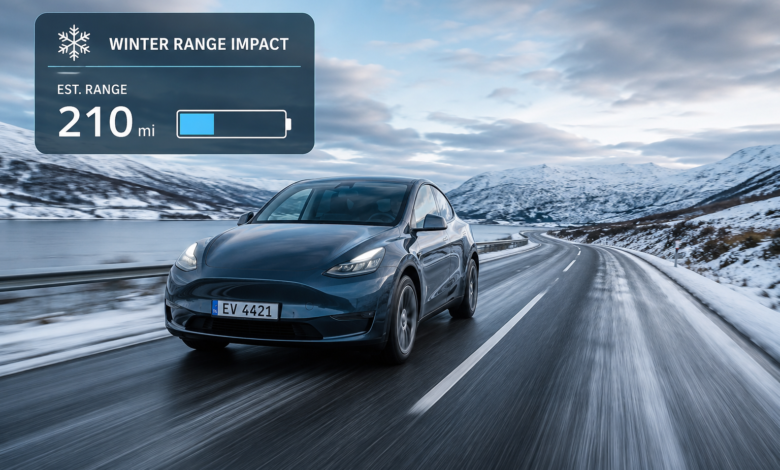
Winter driving brings unique challenges for every electric vehicle owner, especially across the UK, where temperatures, rain, frost, and icy conditions can significantly influence battery performance. Understanding electric car winter range UK is essential for anyone who wants to travel confidently during colder months. Many drivers notice that their EV covers fewer miles on a full charge in winter compared to summer. While this may seem concerning, it is a completely normal characteristic of lithium-ion batteries. By learning how cold weather affects electric vehicles and adopting a few smart driving habits, you can reduce range loss, improve efficiency, and enjoy a reliable driving experience throughout the season.
Why Cold Weather Reduces EV Range
Cold weather has a direct impact on battery chemistry. Most electric vehicles use lithium-ion batteries, which perform best within a moderate temperature range. When temperatures drop, the chemical reactions inside the battery slow down, reducing the amount of energy that can be delivered efficiently.
This is one of the main reasons why electric car winter range UK becomes an important topic every year as temperatures begin to fall. Drivers often notice that their estimated driving range decreases shortly after a cold morning start. This reduction is not necessarily a sign of battery degradation. Instead, it reflects the temporary effect of low temperatures on battery efficiency.
The battery management system also works harder during winter to maintain the battery at a safe operating temperature. This process consumes energy that would otherwise be used for driving. As a result, available range naturally decreases.
Most EV owners in the UK experience a winter range reduction between 10% and 30%, depending on the vehicle model, battery size, driving conditions, and outside temperature.
How UK Winter Conditions Affect Electric Vehicle Performance
The UK’s winter climate presents several challenges beyond low temperatures. Rain, snow, ice, strong winds, and shorter daylight hours all contribute to increased energy consumption.
Wet roads create greater rolling resistance, meaning the tyres require more energy to move the vehicle. Similarly, driving through snow or slush demands additional power from the electric motor.
Another important factor affecting electric car winter range UK is increased use of cabin heating. Unlike conventional petrol or diesel vehicles that utilize waste engine heat, electric vehicles generate cabin heat using electricity from the battery. Heating the cabin, steering wheel, seats, and windows requires additional energy, especially during freezing mornings.
Cold weather also causes tyres to lose pressure more quickly. Underinflated tyres increase rolling resistance and reduce overall efficiency, making every journey consume more battery power.
Wind is another overlooked factor. Strong winter headwinds increase aerodynamic drag, forcing the motor to use more electricity to maintain speed, particularly on motorways.
Battery Heating and Energy Consumption
Modern electric vehicles include advanced battery thermal management systems designed to protect battery health in all weather conditions.
Battery Preconditioning
Many newer EVs automatically warm the battery before charging or long-distance driving. Battery preconditioning helps the battery reach its ideal operating temperature, improving charging speed and overall efficiency.
Drivers who regularly use battery preconditioning often notice better electric car winter range UK compared to those who begin driving immediately after a cold overnight park.
Cabin Heating Versus Seat Heating
One effective way to conserve energy is by relying more on heated seats and heated steering wheels rather than increasing the cabin temperature excessively.
Seat heaters consume considerably less electricity than heating the entire passenger compartment. Maintaining a comfortable but moderate cabin temperature helps preserve valuable battery energy during winter journeys.
Practical Tips to Maximize EV Range During Winter
Improving winter efficiency does not require major lifestyle changes. Instead, several simple habits can make a noticeable difference.
Whenever possible, charge the vehicle overnight and schedule departure times so the battery finishes charging shortly before leaving. This allows the battery to remain warmer and more efficient.
If your EV offers remote climate control through a mobile app, preheat the cabin while the vehicle remains connected to the charger. This uses electricity from the grid rather than the battery, helping preserve electric car winter range UK for the journey ahead.
Driving style also matters. Smooth acceleration, gradual braking, and maintaining consistent speeds reduce energy consumption. Aggressive acceleration drains battery power much faster during cold weather.
Checking tyre pressures regularly is equally important. Properly inflated tyres improve efficiency, handling, and safety on slippery winter roads.
Planning charging stops before long journeys also reduces stress. Cold batteries may initially charge more slowly, so allowing extra time for charging during winter trips can improve the overall travel experience.
Real-World Winter Range Expectations Across Popular EV Models
Many drivers wonder exactly how much range reduction they should expect during winter.
While every vehicle performs differently, larger battery packs generally experience less noticeable percentage loss than smaller batteries because they have greater energy reserves.
For example, an electric vehicle rated for 300 miles under ideal conditions may realistically achieve between 220 and 270 miles during typical UK winter driving. Smaller city EVs may experience proportionally greater reductions because heating systems represent a larger share of their available battery capacity.
High-speed motorway driving during cold weather often results in the greatest energy consumption. Urban driving can sometimes be more efficient because regenerative braking recovers energy during frequent stops.
Understanding these realistic expectations helps drivers avoid unnecessary concern about electric car winter range UK and allows better journey planning.
Charging Challenges During Cold Weather
Cold temperatures influence charging performance as well as driving range.
Lithium-ion batteries accept energy more slowly when they are cold. To protect battery health, the battery management system limits charging speed until the battery reaches an appropriate operating temperature.
Fast chargers remain effective during winter, but drivers may notice slightly longer charging sessions if the battery has not been preconditioned.
Many modern EV navigation systems automatically prepare the battery when a rapid charging station is selected as the destination. This intelligent feature significantly improves charging efficiency during winter travel.
Home charging remains one of the most convenient solutions for UK EV owners, allowing the vehicle to begin each day with a full battery and a preheated cabin.
Long-Term Battery Health in Cold Weather
Many first-time EV owners worry that winter permanently damages their battery. Fortunately, temporary range reduction and permanent battery degradation are entirely different issues.
Cold weather temporarily limits battery efficiency, but it does not normally cause lasting damage. In fact, high temperatures generally accelerate battery aging more than cold temperatures.
Modern battery management systems carefully monitor temperature, charging rates, and overall battery condition to protect long-term performance.
Regular charging, sensible driving habits, and avoiding frequent deep battery discharge all contribute to maintaining battery health over many years.
For most UK drivers, following manufacturer recommendations is sufficient to keep the battery performing reliably throughout every season.
Expert Insights on Winter EV Ownership
Automotive engineers consistently emphasize that winter range loss is an expected characteristic of electric vehicles rather than a design flaw.
As battery technology continues to evolve, manufacturers are introducing more efficient heat pumps, improved battery chemistry, advanced thermal management systems, and smarter software updates that reduce winter energy consumption.
Many newer EVs equipped with heat pumps use considerably less electricity for cabin heating than earlier models, helping improve electric car winter range UK during colder months.
Growing public charging infrastructure across the UK also makes winter travel easier than ever before. Better route planning tools, faster charging networks, and improved battery technology continue to reduce seasonal challenges for electric vehicle owners.
Conclusion
Understanding electric car winter range UK helps drivers set realistic expectations and make informed decisions throughout the colder months. Reduced battery efficiency, increased cabin heating, wet roads, tyre pressure changes, and slower charging all contribute to lower winter range. Fortunately, these effects are temporary and can be minimized through simple strategies such as battery preconditioning, smooth driving, maintaining correct tyre pressure, and preheating the cabin while plugged in. As EV technology continues to improve, winter performance becomes increasingly efficient, making electric vehicles a practical and dependable choice for year-round driving across the UK.
FAQs
1. Why does my electric vehicle lose range during winter in the UK?
Cold temperatures slow the chemical reactions inside lithium-ion batteries, reducing their efficiency. Additional energy is also required for cabin heating, battery warming, and driving on wet or icy roads, all of which contribute to lower driving range.
2. How much does electric car winter range UK usually decrease?
Most electric vehicles lose between 10% and 30% of their normal driving range during typical UK winter conditions. The exact reduction depends on the vehicle model, battery size, driving speed, weather conditions, and use of heating systems.
3. Does charging an EV take longer in cold weather?
Yes. Cold batteries accept electricity more slowly to protect battery health. Many modern electric vehicles automatically warm the battery before rapid charging, helping improve charging speeds during winter.
4. Can cold weather permanently damage my EV battery?
No. Cold weather generally causes only temporary reductions in battery performance. Modern battery management systems are designed to protect battery health, and long-term degradation is more commonly associated with prolonged exposure to excessive heat than cold.
5. What is the best way to improve electric car winter range UK?
The most effective methods include preconditioning the battery before driving, preheating the cabin while the vehicle is plugged in, maintaining correct tyre pressure, driving smoothly, reducing unnecessary high-speed travel, and planning charging stops carefully during longer winter journeys.
More EV Car Guides: Read more electric vehicle news, buying guides, reviews, and ownership tips on magazinerock.co.uk.

One Comment