Complete Guide to EV Battery Warranty UK: Protect Your Electric Vehicle with Confidence
EV battery warranty UK

Introduction
As electric vehicles continue to gain popularity across Britain, understanding your EV battery warranty UK has become more important than ever. The battery is the most expensive component of an electric car, making its warranty a key factor when buying a new or used EV. While many drivers focus on charging speed, driving range, and purchase price, they often overlook the details of battery coverage until a problem occurs.
A well-designed EV battery warranty UK provides financial protection, improves peace of mind, and reflects the manufacturer’s confidence in its battery technology. However, not every warranty offers the same level of protection. Coverage periods, mileage limits, battery health guarantees, and exclusions can differ significantly between brands. This guide explains how EV battery warranties work, what they cover, what they do not cover, and how UK drivers can make informed decisions before purchasing an electric vehicle.
What Is an EV Battery Warranty and Why Does It Matter?
An EV battery warranty UK is a manufacturer’s promise to repair or replace an electric vehicle’s battery if it develops qualifying faults within a specified period or mileage limit. Since the battery pack represents a significant percentage of an EV’s total value, this warranty protects owners from potentially expensive repair costs.
Unlike traditional vehicle warranties that cover multiple mechanical components, the battery warranty focuses specifically on the high-voltage battery system. Manufacturers understand that buyers may worry about battery degradation and long-term reliability. Offering an extended warranty helps build confidence in electric vehicle ownership.
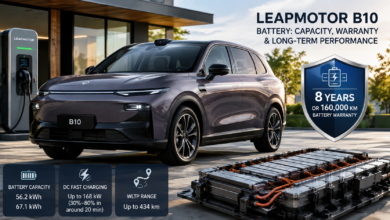
Most UK manufacturers provide battery coverage ranging from eight years to around 100,000 miles, although some brands offer even longer protection. Many warranties also guarantee that battery capacity will remain above a certain percentage during the warranty period. If battery health falls below the guaranteed level because of manufacturing defects or abnormal degradation, the manufacturer may repair or replace the battery.
For drivers planning to keep their vehicle for several years, a strong EV battery warranty UK can significantly reduce ownership costs while improving resale value.
What Does an EV Battery Warranty Usually Cover?
Although every manufacturer has its own warranty terms, most EV battery warranty UK policies include protection against manufacturing defects and unexpected battery failures.
Coverage generally includes battery cells that fail due to defects in materials or workmanship. It may also include problems with the battery management system if they directly affect battery performance. Internal electrical faults, unexpected loss of charging capability, and abnormal battery degradation are commonly covered when they meet warranty conditions.
Another important feature is battery capacity protection. Unlike petrol or diesel engines, lithium-ion batteries naturally lose some capacity over time. This gradual decline is considered normal. However, many manufacturers guarantee that the battery will retain approximately 70% of its original capacity during the warranty period. If testing confirms that the battery has degraded below the guaranteed threshold because of qualifying defects, repairs or replacement may be approved.
Some warranties also include labour costs associated with battery diagnosis, removal, installation, and software updates when required to resolve warranty-related issues.
Understanding these details allows buyers to compare different electric vehicle brands based on long-term reliability rather than simply purchase price.
Understanding Battery Capacity Guarantees
Battery capacity guarantees are often misunderstood. A battery losing a small amount of capacity every year is completely normal and expected. Temperature, charging habits, mileage, and driving conditions all influence battery ageing.
For example, if a manufacturer guarantees 70% battery health for eight years, this does not mean the battery will fail after reaching that point. Many electric vehicles continue operating efficiently well beyond their warranty period with only moderate reductions in driving range.
Battery health is usually measured through specialist diagnostic equipment rather than estimated driving range. This ensures warranty decisions are based on accurate technical assessments instead of daily driving conditions.
What Is Not Covered Under an EV Battery Warranty?
Understanding exclusions is just as important as knowing what your EV battery warranty UK covers. Many claims are rejected because owners assume every battery-related issue automatically qualifies for warranty repairs.
Normal battery ageing is not considered a defect. If capacity decreases gradually within expected limits, manufacturers usually classify this as standard wear rather than a warranty issue.
Damage caused by accidents is another common exclusion. If a collision damages the battery pack, repairs are typically handled through motor insurance instead of the manufacturer’s warranty.
Improper repairs performed by unauthorised workshops may also invalidate warranty coverage. Modern EV batteries are highly sophisticated systems requiring specialised equipment and trained technicians. Any unauthorised modifications, including battery alterations or unofficial software changes, can affect warranty eligibility.
Environmental damage caused by flooding, fire, severe impact, or misuse is generally excluded as well. Similarly, neglecting recommended vehicle maintenance or ignoring software updates may influence warranty decisions in certain situations.
Owners should always read the warranty booklet carefully before assuming a repair will be covered.
How Long Does an EV Battery Warranty Last in the UK?
The duration of an EV battery warranty UK varies by manufacturer, but most leading brands offer generous protection that exceeds standard vehicle warranties.
Eight years has become the industry benchmark, with mileage limits commonly ranging between 100,000 and 120,000 miles. Some premium manufacturers provide even longer coverage or unlimited mileage under specific conditions.
While the time limit is important, mileage can be equally significant. A driver covering high annual mileage may reach the mileage cap before the warranty period expires. Conversely, someone who drives relatively little may benefit from the full time-based protection.
When comparing electric vehicles, buyers should evaluate both warranty duration and battery capacity guarantees rather than focusing solely on years of coverage. A slightly shorter warranty with a stronger capacity guarantee may offer better long-term value than a longer warranty with limited battery health protection.
It is also worth considering whether the warranty transfers to future owners. Many manufacturer-backed battery warranties remain valid after the vehicle is sold, provided the warranty terms have been followed. This transferable protection can increase buyer confidence in the used EV market and enhance resale value.
Modern battery technology has improved significantly over the past decade. Real-world data shows that many electric vehicle batteries retain a high percentage of their original capacity well beyond the official warranty period. This means that, for many UK drivers, the battery is likely to remain reliable for years after the warranty expires, provided it has been properly maintained and used responsibly.
How to Maintain Your EV Battery and Protect Your Warranty
Looking after your battery is one of the best ways to maximise its lifespan while keeping your EV battery warranty UK valid. Although modern battery management systems automatically protect the battery from many risks, good driving and charging habits still make a noticeable difference.
Charging the battery to 100% every day is unnecessary for most drivers. Keeping the charge level between approximately 20% and 80% for daily use can help reduce long-term battery degradation. Full charging is perfectly acceptable before long journeys, but leaving the battery at 100% for extended periods should generally be avoided.
Rapid charging is another consideration. DC fast charging is extremely convenient, especially during motorway travel, but relying on it exclusively may generate additional heat inside the battery. Mixing rapid charging with slower home charging creates a healthier charging routine.
Temperature also affects battery performance. During very cold weather, temporary reductions in driving range are normal and do not indicate battery damage. Likewise, prolonged exposure to extreme heat can accelerate battery ageing. Parking in shaded or covered locations whenever practical helps maintain stable battery temperatures.
Manufacturers also recommend installing software updates as they become available. These updates often improve battery management, charging efficiency, and thermal control. Ignoring essential updates could potentially affect warranty assessments if software-related issues arise.
Following the manufacturer’s servicing schedule is equally important. Although electric vehicles require less maintenance than petrol or diesel cars, regular inspections ensure that cooling systems, charging components, and electrical systems continue operating correctly, helping preserve your EV battery warranty UK.
Buying a Used EV: What to Check About the Battery Warranty
The used electric vehicle market is growing rapidly across the UK. For many buyers, purchasing a pre-owned EV offers excellent value, but understanding the EV battery warranty UK attached to the vehicle is essential before completing the purchase.
The first step is confirming whether the original battery warranty is still active. Most manufacturers allow battery warranties to transfer automatically to subsequent owners, provided the vehicle has been maintained according to manufacturer guidelines. However, checking the remaining warranty period and mileage is always worthwhile.
Requesting a battery health report can provide additional confidence. Many dealerships and EV specialists can perform diagnostic testing that measures the battery’s remaining capacity. This information gives buyers a clearer understanding of the battery’s current condition rather than relying solely on the vehicle’s displayed driving range.
It is also sensible to review the vehicle’s service history. Evidence of regular maintenance, authorised repairs, and software updates demonstrates responsible ownership and reduces the likelihood of future warranty complications.
Buyers should also inspect the charging history where available. Occasional rapid charging is perfectly normal, but understanding how the vehicle has been used can provide useful context regarding battery condition.
A well-maintained used EV with an active EV battery warranty UK can offer excellent long-term value while significantly reducing ownership risks.
Common Misconceptions About EV Battery Warranties
Despite the increasing popularity of electric vehicles, several myths still surround battery warranties. Understanding the facts helps drivers make informed purchasing decisions.
One common misconception is that EV batteries require replacement after eight years. In reality, the warranty period does not represent the battery’s expected lifespan. Many batteries continue operating efficiently for well over a decade while retaining a large proportion of their original capacity.
Another misunderstanding is that any reduction in driving range automatically qualifies for a warranty replacement. Battery degradation occurs naturally over time, and manufacturers generally only approve warranty claims when capacity falls below the specified threshold because of qualifying defects.
Some drivers also believe that rapid charging immediately damages batteries. While excessive heat can contribute to long-term degradation, modern battery management systems carefully regulate charging temperatures. Occasional fast charging forms part of normal vehicle operation and is fully anticipated by manufacturers.
There is also a belief that battery replacement always means installing a completely new battery pack. Depending on the fault, manufacturers may repair individual battery modules or replace only defective components instead of the entire battery assembly.
Understanding these realities allows drivers to appreciate the genuine value provided by an EV battery warranty UK without unrealistic expectations.
Expert Insights: Is an EV Battery Warranty Worth Considering?
From an ownership perspective, battery warranty coverage represents one of the strongest advantages of modern electric vehicles. Manufacturers have invested billions of pounds into battery research, testing, and quality control, allowing them to offer lengthy warranty protection with confidence.
Independent reliability data consistently shows that complete battery failures remain relatively uncommon. Most issues involve isolated components or software rather than catastrophic battery breakdowns. As battery technology continues improving, long-term reliability is expected to increase even further.
For first-time EV buyers, a comprehensive EV battery warranty UK provides reassurance during the transition from conventional vehicles. Knowing that the most expensive component is protected for many years reduces financial uncertainty and encourages wider adoption of electric mobility.
When comparing different models, buyers should evaluate warranty length, battery capacity guarantees, transferability, servicing requirements, and the manufacturer’s overall reputation for customer support. Looking beyond headline figures results in a more informed purchasing decision.
Conclusion
Choosing an electric vehicle is a significant investment, and understanding your EV battery warranty UK is essential for protecting that investment. Battery warranties provide valuable financial security by covering manufacturing defects, unexpected failures, and, in many cases, excessive battery degradation within clearly defined limits.
However, every warranty has conditions and exclusions. Reading the manufacturer’s terms carefully, following recommended servicing schedules, maintaining healthy charging habits, and keeping software up to date all help preserve warranty protection throughout the ownership period.
Whether you are buying a brand-new EV or considering a used model, taking time to understand the EV battery warranty UK allows you to compare vehicles more effectively, avoid costly surprises, and enjoy greater confidence in your electric driving experience. As battery technology continues to evolve, strong warranty coverage will remain one of the most important factors influencing long-term ownership satisfaction.
FAQs
How long does an EV battery warranty UK usually last?
Most manufacturers in the UK offer battery warranties lasting eight years or between 100,000 and 120,000 miles, whichever comes first. Some brands provide even longer coverage depending on the vehicle model.
Does battery degradation automatically qualify for a warranty claim?
No. Batteries naturally lose some capacity over time. Most manufacturers only approve claims if battery health falls below the guaranteed capacity level, often around 70%, due to qualifying defects rather than normal ageing.
Can I transfer my EV battery warranty UK to a new owner?
In many cases, yes. Most manufacturer-backed battery warranties transfer automatically when the vehicle is sold, provided servicing and maintenance requirements have been followed correctly.
Will fast charging void my battery warranty?
No. Occasional or regular fast charging does not normally void the warranty. Manufacturers design modern EV batteries to support rapid charging safely through advanced battery management systems. However, following recommended charging practices remains beneficial for long-term battery health.
What should I check before buying a used electric vehicle?
Verify the remaining EV battery warranty UK, review the service history, request a battery health report if available, confirm authorised maintenance has been completed, and ensure there is no history of major battery-related repairs or accident damage.
More EV Car Guides: Read more electric vehicle news, buying guides, reviews, and ownership tips on magazinerock.co.uk.