12 Essential EV charger maintenance Tips Every UK Homeowner Should Know
EV charger maintenance

Introduction
Owning an electric vehicle is becoming increasingly popular across the UK, making home charging an essential part of daily life. However, installing a charger is only the first step. Regular EV charger maintenance ensures your charging unit remains safe, efficient, and reliable throughout the year. Whether you have recently installed a home charger or have been using one for years, understanding proper maintenance can help you avoid costly repairs, improve charging performance, and extend the lifespan of your equipment. This comprehensive guide explains everything UK homeowners need to know, from routine inspections to seasonal care, while following the latest best practices for safe home charging.
Why EV charger maintenance Matters for UK Homeowners
A home EV charger is exposed to changing weather conditions, electrical loads, and frequent daily use. Although modern chargers are designed to be durable, they still require periodic attention to ensure optimal performance.
Proper EV charger maintenance helps prevent unexpected breakdowns, improves charging efficiency, and reduces the risk of electrical faults. It also protects your investment by extending the life of your charger and supporting safe operation.
Many UK homeowners assume that once a charger is installed, it requires no further care. In reality, regular inspections can identify minor issues before they become expensive problems. Loose connections, damaged cables, or dirt inside the connector can gradually reduce charging performance if left unnoticed.
Routine maintenance also supports manufacturer warranties, as many warranty agreements expect users to follow recommended maintenance schedules.
How Often Should You Perform EV charger maintenance?
The frequency of maintenance depends on how often you charge your vehicle and where your charger is installed.
For most households, a quick visual inspection every month is sufficient. A more detailed inspection every six to twelve months is recommended, particularly if your charger is installed outdoors and regularly exposed to rain, frost, or direct sunlight.
Professional servicing should also be considered according to the manufacturer’s guidance. Certified electricians can perform electrical testing, inspect internal components, and verify that the charger continues operating safely.
If you notice slower charging speeds, overheating, unusual noises, or error messages, immediate EV charger maintenance should be carried out instead of waiting for the next scheduled inspection.
Simple Steps for Effective EV charger maintenance
Maintaining a home charger does not always require technical knowledge. Many important checks can be completed safely by homeowners.
Begin by examining the charging cable for cuts, cracks, or visible wear. Since cables are frequently handled, they are often the first component to show signs of damage.
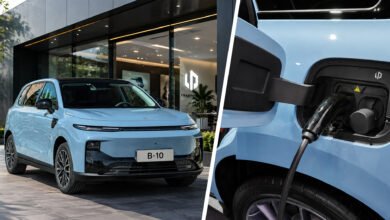
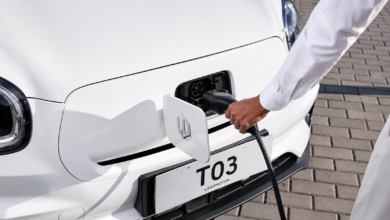
Next, inspect the charging connector. Dust, leaves, insects, and moisture may collect inside the connector over time. Keeping it clean helps ensure a secure electrical connection between the charger and the vehicle.
The charging unit itself should also remain clean. Wipe the exterior with a soft damp cloth to remove dirt and debris. Avoid pressure washers or harsh cleaning chemicals that could damage seals or electronic components.
Check that the mounting bracket remains secure and that no screws have become loose due to weather or vibration.
Finally, confirm that indicator lights behave normally during charging. Unexpected flashing patterns may indicate faults requiring professional attention.
Consistent EV charger maintenance makes these small checks part of a simple monthly routine.
Common Problems That Regular EV charger maintenance Can Prevent
Many charging problems develop gradually and often begin with small issues that are easy to fix.
One common issue is cable deterioration caused by repeated bending or improper storage. Damaged insulation can become a safety concern if ignored.
Moisture intrusion is another concern, especially for outdoor installations. While quality chargers are weather-resistant, damaged seals or cracked housings can allow water to enter sensitive electronics.
Electrical connections may also loosen over time due to temperature changes. Poor connections can generate excessive heat, reduce charging efficiency, or eventually damage internal components.
Software-related issues occasionally affect smart chargers. Manufacturers frequently release firmware updates to improve compatibility, security, and charging performance. Checking for updates forms an important part of EV charger maintenance, particularly for Wi-Fi-enabled charging systems.
Ignoring these early warning signs often results in expensive repairs or complete charger replacement.
Seasonal EV charger maintenance for the UK Climate
The UK’s changing weather creates unique maintenance requirements throughout the year.
During winter, frost, snow, and freezing temperatures can affect charging cables. Avoid forcing frozen cables into tight bends, as this may damage the insulation. After heavy snowfall, clear snow away from the charger without using sharp tools.
Spring is an ideal time to inspect for moisture damage that may have occurred during winter storms. Remove accumulated dirt, pollen, and debris around the charger.
Summer heat may increase operating temperatures, especially if the charger is installed in direct sunlight. Ensure adequate airflow around the charging unit and avoid covering ventilation openings.
Autumn often brings falling leaves and increased rainfall. Check drainage around the installation area and ensure leaves do not block ventilation or collect around electrical components.
Seasonal EV charger maintenance helps keep equipment operating safely throughout the year regardless of weather conditions.
Safety Precautions During EV charger maintenance
Safety should always come first when inspecting electrical equipment.
Homeowners should only perform external visual inspections and basic cleaning. Internal electrical work should always be completed by a qualified electrician.
Never attempt to dismantle the charger unless specifically authorised by the manufacturer. High-voltage components remain dangerous even when the charger is not actively charging a vehicle.
If you notice burning smells, scorch marks, water inside the charger, exposed wiring, or repeated electrical trips, stop using the charger immediately and arrange professional inspection.
Keeping children away during inspections and ensuring charging cables are stored correctly also reduces potential hazards.
Safe EV charger maintenance protects both your family and your vehicle.
Professional EV charger maintenance vs DIY Checks
Many homeowners wonder whether professional servicing is necessary.
Basic cleaning, visual inspections, and cable care can safely be handled at home. However, electrical testing requires specialised equipment and technical expertise.
Qualified electricians can measure insulation resistance, verify earth protection, inspect internal wiring, confirm residual current device operation, and ensure compliance with UK electrical standards.
Professional inspections also identify hidden issues that are not visible externally.
Combining routine homeowner checks with periodic professional servicing provides the highest level of safety and reliability for long-term charger performance.
Benefits of Regular EV charger maintenance
Consistent care offers both financial and practical advantages.
A well-maintained charger typically delivers more reliable charging sessions, reducing unexpected interruptions before important journeys.
Preventive maintenance often costs far less than replacing damaged components or installing a new charging unit after neglect.
Proper maintenance also helps maximise charging efficiency, supporting lower electricity costs over time while reducing unnecessary energy waste.
For homeowners planning to sell their property, a properly maintained EV charging system may also increase buyer confidence as electric vehicle ownership continues growing across the UK.
Most importantly, regular EV charger maintenance supports safe charging every day while extending the overall lifespan of your equipment.
Conclusion
Home charging offers unmatched convenience for electric vehicle owners, but long-term reliability depends on consistent EV charger maintenance. Simple monthly inspections, seasonal care, proper cleaning, software updates, and periodic professional servicing all contribute to safer operation and improved charging efficiency. By identifying small problems before they become serious faults, UK homeowners can protect their investment, reduce repair costs, and enjoy dependable charging for many years. Making EV charger maintenance part of your regular home care routine is one of the smartest decisions any EV owner can make.
More EV Car Guides: Read more electric vehicle news, buying guides, reviews, and ownership tips on magazinerock.co.uk.
FAQs
1. How often should I perform EV charger maintenance?
A visual inspection should be carried out once every month, while a more thorough inspection is recommended every six to twelve months. Professional servicing should follow the manufacturer’s recommendations or whenever faults appear.
2. Can I clean my EV charger myself?
Yes. You can safely clean the exterior using a soft damp cloth. Avoid harsh chemicals, pressure washers, or opening the charger casing. Internal cleaning should only be performed by qualified professionals.
3. What are the warning signs that my charger needs maintenance?
Common warning signs include slower charging speeds, damaged cables, overheating, unusual noises, flashing error lights, burning smells, repeated electrical trips, or visible cracks in the charger housing.
4. Does weather affect home EV chargers?
Yes. Rain, frost, snow, heat, and direct sunlight can all affect charging equipment over time. Seasonal inspections help identify weather-related wear before it develops into serious damage.
5. Is professional servicing necessary if my charger seems to work normally?
Yes. Even when everything appears normal, professional inspections can detect hidden electrical issues, verify safety systems, update firmware where required, and ensure your charger continues operating safely and efficiently.