7 Proven EV Battery Storage Percentage Tips for Safe Long-Term EV Storage
EV battery storage percentage

Introduction
If you plan to leave your electric vehicle unused for several weeks or months, knowing the right EV battery storage percentage is essential. Many EV owners assume storing a fully charged or nearly empty battery is harmless, but that can gradually reduce battery performance and lifespan. Manufacturers design lithium-ion batteries to perform best within a moderate state of charge during extended storage. Choosing the correct EV battery storage percentage helps preserve battery health, reduces unnecessary degradation, and ensures your vehicle is ready when you return. Whether you own a Tesla, Nissan Leaf, Hyundai Ioniq, Kia EV6, Ford Mustang Mach-E, or another electric vehicle, following proper battery storage practices can save you money and extend the life of your battery pack.
What Is the Ideal EV Battery Storage Percentage?
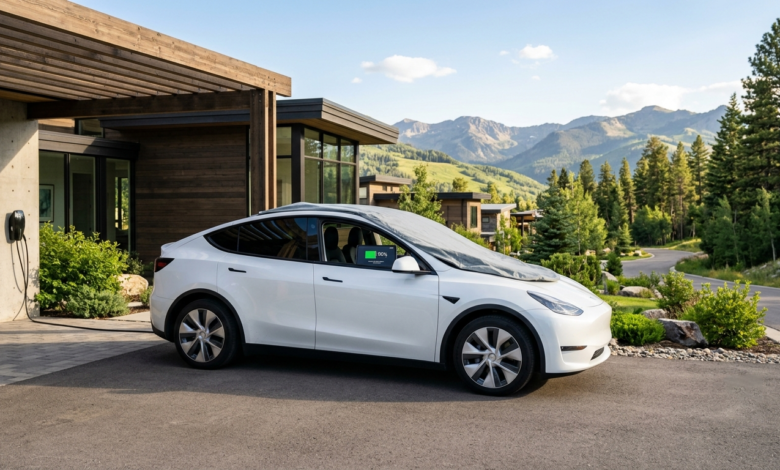
The recommended EV battery storage percentage for most modern electric vehicles falls between 40% and 60%, with around 50% considered the sweet spot by many battery experts and manufacturers. This charge level places the lithium-ion battery under minimal chemical stress while reducing the risk of deep discharge during storage.
Keeping the battery fully charged for months can accelerate battery aging because higher voltage increases chemical reactions inside the battery cells. Likewise, storing the battery at a very low charge level can lead to excessive discharge, potentially causing permanent damage if the battery becomes completely depleted.
Selecting the proper EV battery storage percentage ensures the battery management system (BMS) can protect the battery while minimizing long-term degradation. This simple practice contributes significantly to maintaining battery capacity for years.
Why Battery Percentage Matters During Long-Term Storage
Lithium-ion batteries naturally lose a small amount of charge over time, even when the vehicle is parked. This process, known as self-discharge, occurs slowly but continuously.
Maintaining the correct EV battery storage percentage reduces internal stress on battery cells. When batteries remain at high voltage for extended periods, the chemical structure inside the cells experiences faster wear. Conversely, leaving the battery nearly empty increases the risk of over-discharge if the vehicle remains unused for an extended period.
Modern electric vehicles include sophisticated battery management systems that monitor battery health. However, these systems cannot completely eliminate the effects of improper storage. Owners who understand the importance of the correct EV battery storage percentage often experience slower battery degradation and better long-term performance.
Another important factor is temperature. Even the perfect charge level cannot fully protect a battery if it is exposed to extreme heat or freezing conditions for months.
Best Practices for Long-Term EV Battery Storage
Choosing the right EV battery storage percentage is only one part of proper EV storage. Environmental conditions and maintenance routines also influence battery health.
Store your vehicle in a cool, dry garage whenever possible. Moderate temperatures between 50°F and 77°F (10°C–25°C) provide ideal conditions for lithium-ion batteries. Excessive heat speeds up battery aging, while prolonged freezing temperatures can temporarily reduce battery performance.
Avoid leaving the charging cable connected continuously unless your manufacturer specifically recommends it. Some EVs intelligently manage charging while plugged in, whereas others benefit from being disconnected after reaching the recommended storage charge.
Check the battery every few weeks if the vehicle will remain unused for several months. If the battery drops below approximately 30%, recharge it back to the recommended EV battery storage percentage rather than allowing it to continue discharging.
Before storing your EV, ensure the software is updated, tire pressures are correct, and the vehicle is clean. These simple maintenance steps complement the proper EV battery storage percentage and help keep the vehicle in excellent condition.
Common Mistakes That Can Damage EV Batteries
Many battery problems develop gradually due to incorrect storage habits rather than manufacturing defects.
One common mistake is storing the vehicle at 100% charge. While a full battery is useful before a long trip, keeping it fully charged for months increases battery cell stress and accelerates capacity loss.
Another mistake is parking an EV with only a few percent battery remaining. If self-discharge continues, the battery could eventually reach critically low levels, making recovery difficult or even impossible.
Ignoring temperature is another frequent issue. Even with the correct EV battery storage percentage, excessive heat remains one of the leading causes of battery degradation. Parking outdoors during extremely hot summers without shade can shorten battery life over time.
Some owners also neglect periodic battery checks. Although self-discharge is generally slow, occasional monitoring ensures the battery remains within a healthy operating range.
Understanding these mistakes helps maximize the benefits of maintaining the proper EV battery storage percentage.
Manufacturer Recommendations and Expert Insights
Although recommendations vary slightly between manufacturers, most agree that moderate charge levels are safest for storage.
Tesla recommends avoiding prolonged storage at either extremely high or extremely low charge levels. Nissan, Hyundai, Kia, Ford, BMW, Volkswagen, and other manufacturers provide similar guidance, emphasizing balanced charge levels and moderate temperatures.
Battery engineers explain that lithium-ion chemistry experiences the least stress when stored around the middle of its charge range. Scientific research consistently supports this recommendation because lower battery voltage slows unwanted chemical reactions inside the battery cells.
Experts also recommend driving the vehicle briefly after extended storage to allow the battery management system to recalibrate. Once regular driving resumes, owners can follow normal charging habits while continuing to avoid frequent unnecessary charging to 100%.
Following manufacturer recommendations together with the proper EV battery storage percentage significantly improves battery longevity and preserves driving range.
Benefits of Maintaining the Correct EV Battery Storage Percentage
Using the correct EV battery storage percentage offers several long-term advantages for electric vehicle owners. First, it helps reduce battery degradation, allowing the battery to retain more of its original capacity over time. This means your EV can maintain a longer driving range even after years of ownership.
Second, proper storage reduces the likelihood of expensive battery repairs. Since the battery pack is the most valuable component of an electric vehicle, protecting it through proper charging habits is a wise investment.
Third, maintaining the recommended EV battery storage percentage improves reliability. After long periods of storage, the vehicle is more likely to start normally without unexpected battery warnings or charging issues.
Finally, good storage practices support higher resale value. Buyers often look for evidence that an EV has been properly maintained, and responsible battery care is an important indicator of overall vehicle condition.
Conclusion
Choosing the correct EV battery storage percentage is one of the simplest yet most effective ways to protect your electric vehicle during long-term storage. Keeping the battery between 40% and 60%, storing the vehicle in a cool environment, avoiding extreme temperatures, and checking the battery periodically all contribute to better battery health. Rather than focusing only on charging convenience, EV owners should prioritize long-term battery preservation. By consistently following these best practices and maintaining the recommended EV battery storage percentage, you can maximize battery lifespan, preserve driving range, reduce long-term costs, and enjoy reliable performance whenever your vehicle returns to the road.
More EV Car Guides: Read more electric vehicle news, buying guides, reviews, and ownership tips on magazinerock.co.uk.
(FAQs)
What is the best EV battery storage percentage for long-term storage?
Most manufacturers recommend storing an electric vehicle between 40% and 60% battery charge, with approximately 50% being ideal for minimizing battery degradation.
Should I leave my EV plugged in during long-term storage?
It depends on the manufacturer. Some EVs intelligently manage charging while plugged in, while others perform better when disconnected after reaching the recommended storage charge. Always consult your owner’s manual.
Can storing an EV at 100% battery damage it?
Yes. Keeping a lithium-ion battery fully charged for extended periods increases internal chemical stress and may accelerate battery aging over time.
How often should I check my EV during storage?
For storage lasting several months, inspect the battery approximately every three to four weeks. Recharge only if the battery falls significantly below the recommended storage range.
Does cold weather affect EV battery storage?
Yes. Extremely cold temperatures temporarily reduce battery performance, while prolonged exposure to heat accelerates battery degradation. A cool, dry garage with moderate temperatures provides the best storage environment.