Essential EV Charger Fuse Requirements Explained for Safe Home Charging
EV charger fuse requirements

Introduction
As electric vehicles become increasingly popular across the United Kingdom, understanding EV charger fuse requirements is essential for every homeowner planning to install a charging point. Choosing the correct fuse is not just about keeping your charger operational—it is a critical part of electrical safety, legal compliance, and protecting your property’s wiring. Whether you are installing a 7kW home charger or upgrading your electrical system for faster charging, knowing the correct fuse requirements can prevent electrical faults, reduce fire risks, and ensure your charger performs efficiently. This guide explains everything UK homeowners need to know about EV charger fuse requirements, including fuse sizes, regulations, installation considerations, common mistakes, and expert recommendations.
Understanding EV Charger Fuse Requirements in the UK
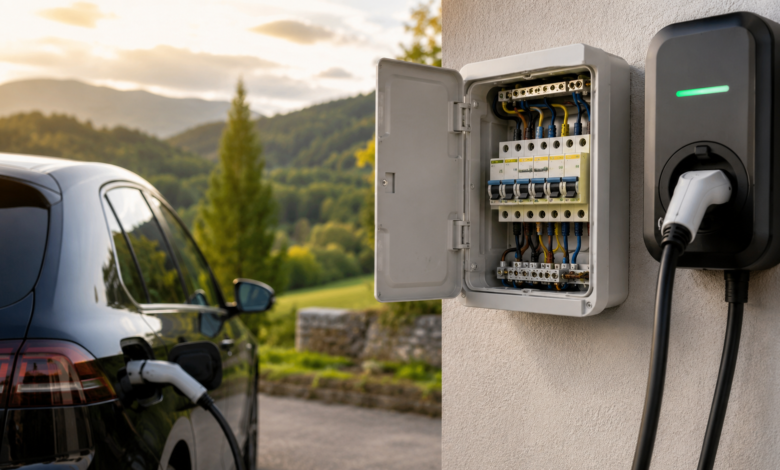
The term EV charger fuse requirements refers to the electrical protection needed to safely operate an electric vehicle charging point. Every EV charger must be connected to a dedicated circuit protected by an appropriately rated fuse or circuit breaker. This protection disconnects the electrical supply if excessive current flows through the circuit, preventing overheating, equipment damage, and potential electrical fires.
In the UK, most domestic EV chargers are rated at either 3.6kW or 7kW. A standard 7kW charger generally operates on a 32A dedicated circuit, while lower-powered chargers may require a 16A circuit. However, the correct fuse size depends on several factors, including cable size, charger rating, installation method, and the property’s electrical supply.
A qualified electrician should always calculate the appropriate protection based on the latest UK wiring regulations rather than selecting a fuse based solely on charger output.
UK Electrical Regulations for EV Charger Installation
The UK has strict electrical standards that govern EV charger installations. Compliance with BS 7671 (IET Wiring Regulations) is mandatory for safe domestic installations. These regulations ensure that charging equipment is installed correctly and includes suitable electrical protection.
An installer must assess the property’s consumer unit, earthing arrangement, cable capacity, and maximum demand before determining the appropriate fuse protection. Modern EV chargers also include built-in safety features such as residual current protection and fault detection, but these do not replace the need for correctly selected overcurrent protection.
Understanding EV charger fuse requirements also means ensuring that the charger is connected to its own dedicated circuit. Sharing the circuit with other high-power appliances is generally not recommended because it increases the risk of overload.
Professional installation is particularly important because many homes have older electrical systems that may require upgrades before supporting an EV charger safely.
Choosing the Correct Fuse Size for Your EV Charger
Selecting the proper fuse size is one of the most important parts of meeting EV charger fuse requirements. The fuse should protect the cable rather than simply match the charger’s power rating.
A typical 7kW single-phase charger usually requires a 32A protective device when installed with suitable cable sizing. Smaller 3.6kW chargers often use a 16A protective device. Larger commercial or three-phase chargers require completely different calculations based on their electrical load.
Several factors influence fuse selection, including cable length, installation method, ambient temperature, voltage drop, and diversity calculations. Even two identical chargers may require different installation designs depending on the property’s electrical layout.
Why Cable Size Matters
One of the biggest misconceptions about EV charger fuse requirements is that the fuse alone determines safety. In reality, the cable carrying electricity must also be correctly sized.
If the cable is too small for the electrical load, it can overheat even if the fuse appears suitable. Electricians therefore calculate both cable capacity and protective device ratings together to create a safe installation.
This approach ensures the charger operates efficiently while preventing excessive heat build-up during long charging sessions.
Common Challenges with EV Charger Fuse Requirements
Many homeowners discover that installing an EV charger is more complex than simply adding another electrical appliance. Older homes may have limited spare capacity within the consumer unit or an incoming supply that cannot support additional electrical demand.
In these situations, installers may recommend upgrading the consumer unit, replacing older fuse boards, or installing load management technology. These solutions help maintain compliance with EV charger fuse requirements while preventing overloads.
Another challenge involves homes with PME earthing systems. Certain charging installations require additional protective measures depending on the earthing arrangement and local distribution network requirements.
Homeowners should also remember that using extension leads or adapting existing outdoor sockets is never an acceptable alternative to a professionally installed charging circuit.
Benefits of Following EV Charger Fuse Requirements
Meeting EV charger fuse requirements provides several long-term advantages beyond simple regulatory compliance.
The most important benefit is electrical safety. Correctly protected circuits significantly reduce the risk of overheating, short circuits, and electrical fires.
Proper fuse protection also improves charger reliability. Chargers supplied through dedicated circuits experience fewer voltage fluctuations and are less likely to trip unnecessarily during operation.
Another advantage is insurance compliance. Many insurers expect electrical work to comply with recognised standards. Professionally installed EV charging systems with correctly selected protection help demonstrate that the installation meets accepted safety requirements.
Future property value can also benefit. As electric vehicle ownership continues to grow, buyers increasingly value professionally installed home charging systems that comply with current regulations.
Expert Tips for Safe EV Charger Installation
Professional electricians recommend planning the entire electrical installation before purchasing an EV charger. Every property has different electrical characteristics, meaning EV charger fuse requirements vary depending on the existing wiring and available capacity.
Homeowners should avoid attempting DIY electrical modifications, as EV charging equipment operates at high continuous electrical loads. Incorrect fuse selection may not become obvious immediately but can create dangerous conditions over time.
Smart chargers with load balancing technology are becoming increasingly common throughout the UK. These systems automatically adjust charging power based on household electricity demand, reducing stress on the electrical installation while maintaining compliance with modern electrical standards.
Regular inspections also help ensure ongoing safety. Although EV chargers generally require little maintenance, periodic electrical testing can identify loose connections, insulation issues, or component wear before they become significant problems.
Common Mistakes to Avoid
Many installation problems arise because homeowners misunderstand EV charger fuse requirements. One common mistake is assuming every home can support a 7kW charger without any electrical upgrades. In reality, some older properties require supply assessments before installation.
Another mistake is replacing a fuse with a higher-rated one without considering cable capacity. Oversized protection may allow excessive current to flow through undersized wiring, increasing fire risk.
Some homeowners also overlook the importance of certification. Electrical work involving EV chargers should always be tested, inspected, and documented by a competent installer.
Ignoring manufacturer installation instructions can also affect charger performance and warranty coverage.
Conclusion
Understanding EV charger fuse requirements is essential for anyone installing a home charging point in the UK. Correct fuse selection protects your charger, your electrical wiring, and your property while ensuring compliance with UK wiring regulations. Because every installation differs, professional assessment remains the safest approach. From choosing the correct protective device to matching cable sizes and assessing electrical capacity, every part of the installation contributes to long-term safety and reliable charging performance. By following the correct EV charger fuse requirements, homeowners can enjoy convenient, efficient, and secure EV charging for many years to come.
More EV Car Guides: Read more electric vehicle news, buying guides, reviews, and ownership tips on magazinerock.co.uk.
(FAQs)
What fuse is normally required for a 7kW EV charger?
Most 7kW domestic EV chargers are installed on a dedicated 32A circuit with suitable cable sizing. However, the final protective device depends on cable calculations, installation method, and the property’s electrical system.
Can I install an EV charger on an existing household circuit?
No. In most cases, an EV charger should have its own dedicated circuit with appropriate protection. Sharing circuits with other high-demand appliances increases the risk of overload and may breach electrical regulations.
Who determines the correct EV charger fuse size?
A qualified electrician determines the correct fuse size after assessing cable capacity, charger rating, consumer unit capacity, voltage drop, earthing system, and overall electrical demand.
Do older UK homes need electrical upgrades for EV chargers?
Some older properties require consumer unit upgrades, supply assessments, or load management systems before installing an EV charger safely. Every property should be individually assessed.
Why are EV charger fuse requirements so important?
Following EV charger fuse requirements helps protect people, property, and electrical equipment. Correct fuse protection prevents overloads, minimises fire risks, improves charger reliability, and ensures compliance with UK electrical safety regulations.




One Comment