15 Essential Facts About EV charger installation permissions Every Homeowner Should Know
EV charger installation permissions

Introduction
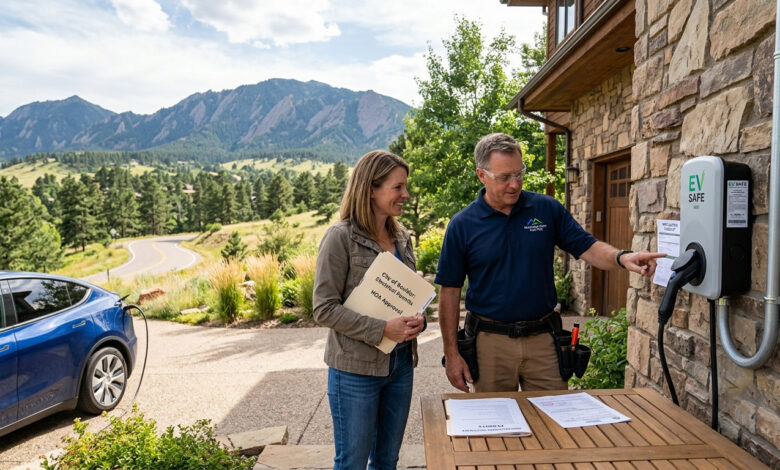
Installing an electric vehicle charger at home is one of the smartest upgrades for EV owners. It provides convenience, lowers charging costs, and ensures your vehicle is always ready to drive. However, before scheduling an installation, many homeowners ask whether they need planning permission. Understanding EV charger installation permissions is important because regulations can vary depending on your property type, location, and the way the charger will be installed.
In many situations, homeowners can install a charger without applying for planning permission. However, there are important exceptions that should never be ignored. This guide explains when planning permission is required, what rules apply, and how you can ensure your installation complies with local regulations while remaining safe and future-proof.
Understanding EV charger installation permissions
The phrase EV charger installation permissions refers to the legal requirements that determine whether you need approval from your local planning authority before installing an electric vehicle charging point.
In many residential cases, wall-mounted chargers fall under permitted development rights, meaning planning permission is not required. These rights are designed to encourage electric vehicle adoption while reducing unnecessary administrative processes for homeowners.
However, not every property qualifies automatically. Factors such as building type, conservation areas, listed building status, commercial use, and charger placement can all affect whether permission is needed.
Understanding these requirements before installation helps avoid delays, unexpected expenses, and potential enforcement action.
When Planning Permission Is Usually Not Required
For many modern homes, EV charger installation permissions are relatively straightforward because planning permission is often unnecessary.
Generally, homeowners can install a wall-mounted charger if it meets local permitted development conditions. The charger should usually be installed on private property, positioned safely, and should not create hazards for pedestrians or traffic.
If your driveway is entirely within your property boundaries and cables do not cross public footpaths, installation is typically much simpler.
Most detached houses, semi-detached homes, and modern terraced properties qualify under these rules, making home charging accessible for the majority of EV owners.
Even when planning permission is not required, installers must still comply with electrical safety regulations and building standards.
Situations Where EV charger installation permissions May Be Required
There are several situations where planning permission becomes more likely.
If your property is a listed building, additional restrictions often apply because preserving the building’s historic character is a priority.
Homes located within conservation areas may also face stricter planning controls. Local authorities may carefully assess any visible changes to the property’s appearance.
Apartment buildings and shared residential developments frequently require approval from property management companies or landlords before installation.
Commercial properties may also need planning approval depending on the size, number, and location of charging units.
Properties where charging cables cross public pathways may require additional permissions to ensure public safety and accessibility.
Understanding these scenarios early can prevent unnecessary delays during your project.
Listed Buildings and Conservation Areas
Owners of listed properties should always contact their local planning authority before proceeding.
Even relatively small changes, including external charging equipment, may require listed building consent alongside standard planning approval.
Similarly, conservation areas aim to preserve the appearance of neighborhoods. Authorities may request changes to charger placement to reduce visual impact.
Seeking professional advice before installation is always recommended in these situations.
Building Regulations and Electrical Safety
Although EV charger installation permissions often focus on planning rules, building regulations remain equally important.
Every EV charger should be installed by a qualified electrician who understands national electrical standards and EV charging requirements.
Professional installation ensures proper earthing, circuit protection, load balancing, and safe connection to your home’s electrical system.
Modern chargers also include smart charging technology that improves efficiency while supporting future energy management systems.
Electrical inspections help verify that your installation meets current safety standards and reduces long-term risks.
Ignoring professional installation requirements can create insurance complications and safety hazards that cost far more than the original installation.
Factors That Influence Planning Decisions
Several practical factors influence whether authorities approve an EV charger installation.
The charger’s visibility from public roads is often considered. Less visible installations are generally easier to approve.
The overall size of the charging unit also matters. Compact wall-mounted chargers typically have less planning impact than large commercial charging equipment.
Cable routing is another important consideration. Authorities prefer installations that avoid creating trip hazards or obstructing public spaces.
Noise is usually minimal for residential chargers, but commercial installations with multiple charging units may receive additional scrutiny.
Environmental impact also plays a growing role, particularly for larger developments installing multiple charging stations.
By considering these factors during planning, homeowners can improve the likelihood of a smooth approval process if permission is required.
Benefits of Understanding EV charger installation permissions Before Installation
Taking time to understand EV charger installation permissions offers several important advantages.
First, it prevents costly mistakes. Installing equipment without necessary approval could result in enforcement notices or expensive alterations.
Second, proper compliance protects your property’s value. Future buyers appreciate documented installations that fully comply with planning and safety regulations.
Third, approved installations may simplify insurance claims by demonstrating professional compliance with relevant standards.
Fourth, early planning reduces project delays because any required approvals can be obtained before work begins.
Finally, following regulations supports the wider adoption of electric vehicles by ensuring charging infrastructure remains safe, reliable, and visually appropriate.
Common Challenges Homeowners Face
Many homeowners assume that installing an EV charger is identical to installing any other electrical appliance. Unfortunately, this misunderstanding can create problems.
Some property owners overlook lease agreements that require landlord approval.
Others fail to consider homeowner association rules or shared parking arrangements.
Limited electrical capacity may also require a consumer unit upgrade before installation can proceed.
Older homes occasionally need electrical improvements before supporting higher charging loads safely.
Weather exposure, cable routing, and parking layout can all influence installation complexity.
Working with experienced EV charging professionals helps identify these issues before installation begins.
Expert Tips for a Hassle-Free Installation
Experts recommend researching local regulations before purchasing charging equipment.
Choose a charger certified for your region and compatible with your vehicle.
Always use an experienced installer who understands both electrical regulations and local planning requirements.
Request a property assessment before installation to identify any potential planning concerns.
Keep documentation, installation certificates, and inspection reports for future property sales or insurance purposes.
If your property has unusual characteristics, contact the planning authority before beginning any work rather than assuming permission is unnecessary.
These simple steps can save considerable time, money, and frustration.
Conclusion
Installing an EV charger is an excellent long-term investment that improves convenience while supporting cleaner transportation. For many homeowners, EV charger installation permissions are simpler than expected because planning permission is often unnecessary under permitted development rights. However, certain properties—including listed buildings, conservation areas, apartments, and commercial sites—may require additional approvals.
By understanding local regulations, using qualified installers, and planning ahead, homeowners can complete installations safely and legally. Taking the time to understand EV charger installation permissions ensures a smooth installation process, protects your investment, and provides confidence that your charging system meets all relevant requirements for years to come.
More EV Car Guides: Read more electric vehicle news, buying guides, reviews, and ownership tips on magazinerock.co.uk.
FAQs
Do all homeowners need planning permission to install an EV charger?
No. Most homeowners do not require planning permission if the installation qualifies under permitted development rules. However, special property types may require approval.
Can I install an EV charger on a listed building?
Yes, but you will usually need additional approval before installation. Listed buildings have stricter planning controls designed to preserve their historic character.
Does living in a conservation area change the rules?
Yes. Conservation areas often have additional planning restrictions, especially if the charger will be visible from public roads or affect the property’s appearance.
Can I install a charger myself?
Although technically possible in some situations, professional installation is strongly recommended. Qualified electricians ensure compliance with electrical safety regulations and manufacturer requirements.
What happens if I install a charger without required permission?
If planning permission was required but not obtained, your local authority may require modifications, removal of the charger, or retrospective planning applications. Checking the rules before installation is always the safest approach.