15 Powerful EV Charging Cable Theft Prevention Tips Every EV Owner Should Know
EV charging cable theft prevention

Introduction
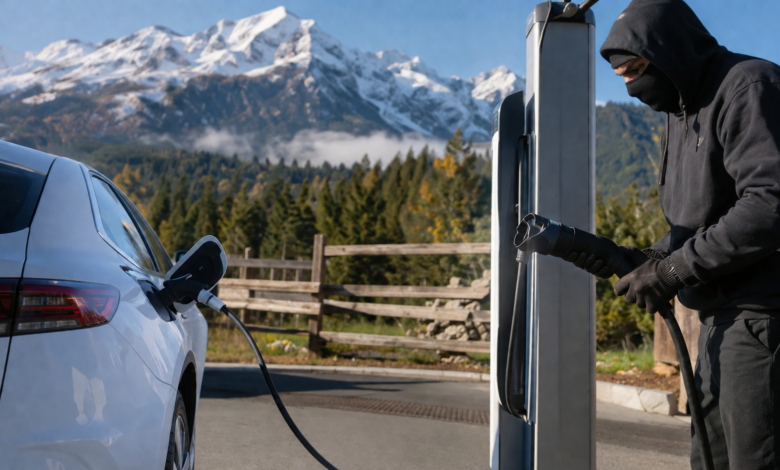
As electric vehicles become more popular, charging equipment has also become a target for opportunistic thieves. A damaged or stolen charging cable can be expensive to replace and may leave you unable to charge your vehicle when you need it most. That is why EV charging cable theft prevention has become an important part of EV ownership. Whether you charge your car at home, at work, or at a public charging station, taking the right precautions can significantly reduce the risk of theft. This guide explains practical methods, expert recommendations, and smart habits that help keep your charging cable safe while ensuring reliable charging every day.
Why EV Charging Cable Theft Is Becoming More Common
Electric vehicle ownership continues to grow worldwide, and so does the demand for charging accessories. Charging cables are valuable because they contain high-quality materials and can be resold online or reused with compatible vehicles.
While many public charging stations include security features, privately owned charging cables remain vulnerable if they are left unattended. Understanding this growing problem is the first step toward effective EV charging cable theft prevention.
In many cases, theft occurs because the cable is easy to remove, poorly secured, or left visible for long periods. Fortunately, most incidents can be avoided by following simple preventive measures.
Choose Charging Equipment with Built-In Security Features
One of the easiest ways to improve EV charging cable theft prevention is by investing in a charging cable that includes locking technology. Many modern EV charging systems automatically lock the connector when charging begins.
Some premium charging cables also include:
- Locking connectors
- Anti-removal mechanisms
- Tamper-resistant designs
- Smart authentication systems
These features make it significantly harder for thieves to disconnect and steal your cable.
Before purchasing a charging cable, check whether it supports your vehicle’s built-in locking system. Choosing compatible equipment provides an additional layer of protection without changing your daily charging routine.
Park and Charge in Secure Locations
Location plays a major role in successful EV charging cable theft prevention.
Whenever possible, charge your vehicle in:
- A locked garage
- A private driveway with security cameras
- Well-lit parking areas
- Public charging stations monitored by CCTV
- Busy locations with regular pedestrian traffic
Thieves generally avoid highly visible locations where they are more likely to be noticed.
If you regularly charge overnight, consider installing motion-activated lighting near your charging point. Better visibility alone can discourage criminal activity.
Home Charging Is Usually the Safest Option
Home charging provides greater control over security than many public charging stations. Installing a wall-mounted charger inside your garage or within a fenced property greatly reduces theft risk.
If outdoor charging is your only option, secure the cable whenever it is not in use and avoid leaving excess cable exposed.
Use Physical Cable Locks and Security Devices
Physical security remains one of the most effective forms of EV charging cable theft prevention.
Several manufacturers now offer cable lock systems specifically designed for electric vehicle charging cables. These locks secure the cable to either the vehicle or a fixed object, making quick theft extremely difficult.
Additional security devices include:
- Heavy-duty cable locks
- Steel anchor points
- Protective cable sleeves
- Lockable charging cable storage boxes
Although these accessories require a small investment, they often cost far less than replacing a stolen charging cable.
Develop Smart Charging Habits
Technology alone cannot eliminate theft. Your daily routine also plays an important role in EV charging cable theft prevention.
Avoid leaving your charging cable connected longer than necessary after charging is complete. Once your battery reaches the desired level, disconnect the cable and store it properly.
Never leave portable charging cables lying on the ground or hanging loosely from the charging station. Proper storage not only improves security but also extends cable lifespan by protecting it from weather and accidental damage.
If you use public charging stations regularly, remain nearby whenever practical, especially in unfamiliar locations.
Install Security Cameras Around Your Charging Area
Visible surveillance equipment can significantly improve EV charging cable theft prevention.
Modern smart security cameras provide:
- Motion detection
- Night vision
- Mobile phone alerts
- Video recording
- Cloud storage
Even a clearly visible camera often discourages thieves from attempting theft.
Some homeowners combine cameras with smart floodlights that activate when motion is detected. The sudden light and recording notification increase the chances that criminals will leave immediately.
Protect Your Cable During Public Charging
Public charging stations are convenient but naturally expose charging equipment to greater risks.
To improve EV charging cable theft prevention while charging in public:
Choose busy charging locations whenever possible.
Avoid isolated parking areas, particularly late at night.
Use charging stations that automatically lock the charging connector.
Keep valuable accessories out of sight.
Return promptly once charging is complete.
Many EV drivers also monitor charging sessions through their vehicle’s mobile app. Real-time notifications allow you to return quickly if charging unexpectedly stops.
Store Your Charging Cable Correctly
Proper storage is often overlooked but is essential for EV charging cable theft prevention.
After charging:
- Coil the cable neatly.
- Store it inside your vehicle or garage.
- Use a lockable storage cabinet if installed outdoors.
- Avoid leaving the cable visible for extended periods.
Good storage habits also reduce wear caused by moisture, dirt, sunlight, and accidental damage.
A well-maintained charging cable not only lasts longer but is also less attractive to thieves who prefer equipment left unattended.
Use Smart Technology for Added Protection
Modern EV technology offers several advanced security options that support EV charging cable theft prevention.
Many electric vehicles now include:
- Charging session notifications
- Mobile app monitoring
- Charging interruption alerts
- Vehicle security integration
- Remote charging controls
These features allow owners to react quickly if someone disconnects or attempts to interfere with the charging process.
Future charging infrastructure is expected to include even stronger anti-theft technologies, making cable theft increasingly difficult.
Common Mistakes That Increase Theft Risk
Many theft incidents occur because of avoidable mistakes rather than sophisticated criminal techniques.
Common examples include leaving charging cables unattended for long periods, charging in poorly lit areas, failing to activate built-in locking features, and storing cables carelessly after use.
By recognizing these risks, EV owners can significantly improve EV charging cable theft prevention without spending large amounts of money.
Small changes in everyday charging habits often provide the greatest long-term protection.
Conclusion
Protecting your charging cable does not require complicated equipment or expensive upgrades. A combination of secure parking, locking systems, smart charging habits, proper storage, and modern security technology creates a highly effective defense against theft. As electric vehicles continue to grow in popularity, taking preventive action today will save money, reduce inconvenience, and provide greater peace of mind. By making EV charging cable theft prevention part of your routine, you can confidently charge your vehicle at home or in public while keeping your valuable equipment secure.
More EV Car Guides: Read more electric vehicle news, buying guides, reviews, and ownership tips on magazinerock.co.uk.
(FAQs)
Why is EV charging cable theft prevention important?
Charging cables can be expensive to replace, and theft may leave your vehicle without a reliable way to recharge. Preventive measures help protect your investment and reduce inconvenience.
Can EV charging cables lock automatically?
Yes. Many modern electric vehicles automatically lock the charging connector during charging. Check your vehicle’s manual to confirm whether this feature is available and enabled.
Are public charging stations safe?
Most public charging stations are safe, especially those located in busy, well-lit areas with surveillance cameras. However, it is still wise to monitor your charging session and avoid isolated locations.
What is the best way to store an EV charging cable?
The best method is to coil the cable neatly and store it inside your garage, vehicle, or a lockable storage box. Proper storage improves both security and cable lifespan.
Do security cameras help prevent charging cable theft?
Yes. Visible security cameras, especially those with motion detection and mobile alerts, can discourage thieves and provide useful evidence if theft occurs.