Introduction
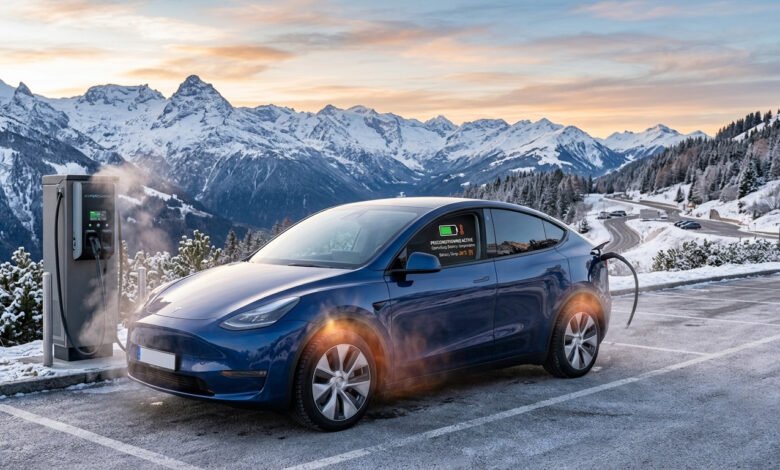
If you are new to electric vehicles, you may have heard the term EV battery preconditioning but may not fully understand what it means or why it matters. Many modern electric vehicles include this intelligent feature to improve charging performance, enhance driving efficiency, and protect battery health. Understanding EV battery preconditioning can help you get faster charging speeds, better range in different weather conditions, and a smoother ownership experience. Whether you drive an EV every day or are considering buying one, learning how this technology works will help you make the most of your electric vehicle.
What Is EV Battery Preconditioning?
EV battery preconditioning is the process of bringing an electric vehicle’s battery to its ideal operating temperature before driving or charging. Lithium-ion batteries perform best within a specific temperature range. If the battery becomes too cold or too hot, charging slows down, energy efficiency decreases, and overall performance may suffer.
Modern EVs use advanced battery management systems to monitor battery temperature continuously. When the system detects that the battery is outside the ideal range, it automatically heats or cools the battery before reaching a fast charger or before a scheduled departure time.
Think of it like warming up your body before exercise. Just as your muscles perform better after warming up, an EV battery performs more efficiently when it reaches its optimal temperature.
How Does EV Battery Preconditioning Work?
The technology behind EV battery preconditioning combines software intelligence with thermal management hardware. Sensors monitor battery temperature, weather conditions, driving patterns, and navigation data.
When you enter a DC fast charging station into your vehicle’s navigation system, many EVs automatically begin heating or cooling the battery while you drive toward the charger. This ensures the battery is ready for maximum charging speed upon arrival.
Some electric vehicles also allow scheduled departure times. Before you leave home, the system prepares both the battery and the cabin while the vehicle remains plugged in. This reduces energy consumption during the initial part of your journey.
Heating the Battery
During winter, batteries become less efficient because chemical reactions slow down. The vehicle activates electric heaters or a heat pump to warm the battery pack, helping restore optimal charging performance and driving efficiency.
Cooling the Battery
During hot summer conditions or after extended highway driving, the battery may become too warm. The cooling system circulates coolant around the battery cells to lower temperatures and protect long-term battery health.
Why Is EV Battery Preconditioning Important?
The biggest advantage of EV battery preconditioning is improved battery performance under different weather conditions. Electric vehicles rely heavily on battery temperature for efficient operation.
When charging at a DC fast charger without proper battery temperature, charging speeds can drop significantly. Instead of reaching peak charging rates, the vehicle may limit power intake to protect the battery.
Proper battery preparation offers several important benefits:
Faster charging is perhaps the most noticeable advantage. Drivers spend less time waiting at charging stations because the battery can accept higher charging power.
Battery longevity also improves. Keeping the battery within its recommended temperature range reduces stress on battery cells and slows long-term degradation.
Energy efficiency increases because the battery delivers electricity more effectively when operating within its optimal temperature window.
Drivers also experience more consistent performance, including smoother acceleration, reliable regenerative braking, and predictable driving range.
When Should You Use EV Battery Preconditioning?
Understanding when to activate EV battery preconditioning helps maximize its benefits.
Cold winter mornings are one of the best times to use this feature. Batteries naturally lose efficiency in freezing temperatures, making preconditioning especially valuable before driving or fast charging.
Long road trips also benefit significantly. If your navigation system knows you are heading toward a fast charging station, it prepares the battery before arrival, reducing charging time.
Hot climates present another situation where battery conditioning becomes valuable. Cooling the battery before charging helps maintain safe operating temperatures and supports faster charging.
If your vehicle supports scheduled charging and departure, setting these features allows the battery to prepare automatically while connected to home charging, reducing energy usage after departure.
Benefits and Challenges of EV Battery Preconditioning
The advantages of EV battery preconditioning extend beyond simply charging faster. It contributes to a more reliable and enjoyable electric vehicle experience.
Drivers often notice improved charging consistency throughout the year. Winter charging sessions become much more predictable, while summer charging remains efficient despite higher ambient temperatures.
Battery protection is another major advantage. Repeated charging at extreme temperatures can accelerate battery wear. Proper thermal management reduces this risk and helps preserve battery capacity over time.
Driving efficiency also improves because the battery delivers energy more effectively within its preferred operating range. This can translate into better overall range, especially during colder months.
However, there are a few challenges to understand.
Not every electric vehicle includes automatic battery preconditioning. Entry-level models may require manual activation, while some older EVs may not support the feature at all.
Preconditioning itself uses a small amount of electricity. Fortunately, when the vehicle remains plugged into a charger, this energy usually comes directly from the charging source rather than the battery.
Drivers should also remember that battery preparation works best when using the built-in navigation system. If you simply drive to a charger without entering it as a destination, automatic preconditioning may not activate.
Common Examples of EV Battery Preconditioning in Real Life
Many leading manufacturers have integrated EV battery preconditioning into their vehicles.
Tesla vehicles automatically begin preparing the battery when drivers navigate to a Supercharger using the built-in navigation system. This helps maximize charging speed upon arrival.
Hyundai and Kia electric vehicles offer intelligent battery conditioning features that prepare the battery during cold weather before fast charging sessions.
Ford, BMW, Mercedes-Benz, Audi, Volvo, Rivian, Lucid, and several other manufacturers have introduced increasingly sophisticated thermal management systems designed to optimize battery temperature under varying driving conditions.
Imagine driving on a snowy day with only 15% battery remaining before reaching a fast charger. Without battery preparation, charging might begin slowly. With battery conditioning activated beforehand, charging can start at significantly higher power levels, reducing overall charging time.
These practical examples demonstrate why battery conditioning has become an important feature in modern electric vehicles.
Expert Insights for Beginners
Industry experts generally agree that battery temperature management plays a critical role in maximizing electric vehicle performance.
New EV owners sometimes worry that preconditioning wastes electricity. In reality, the small amount of energy used is often offset by shorter charging sessions, improved efficiency, and better battery protection.
Experts also recommend allowing the vehicle’s software to manage battery conditioning automatically whenever possible. Modern battery management systems are designed to optimize performance based on real-time environmental conditions.
If your vehicle offers scheduled departure times, using this feature regularly can improve both comfort and battery efficiency by preparing the cabin and battery before each drive.
As battery technology continues to evolve, future systems will likely become even smarter by predicting charging stops, adapting to weather forecasts, and improving thermal efficiency with advanced software updates.
Conclusion
Understanding EV battery preconditioning is one of the easiest ways for beginners to improve their electric vehicle experience. By bringing the battery to its ideal operating temperature before driving or charging, this technology supports faster charging, better driving efficiency, improved battery longevity, and more reliable performance throughout the year.
Whether you frequently take long road trips or simply commute every day, EV battery preconditioning helps your electric vehicle perform at its best in both hot and cold weather. As EV technology continues to advance, battery conditioning will remain an essential feature that enhances convenience, protects battery health, and delivers a better overall driving experience.
More EV Car Guides: Read more electric vehicle news, buying guides, reviews, and ownership tips on magazinerock.co.uk.
(FAQs)
What is EV battery preconditioning in simple terms?
EV battery preconditioning prepares the battery by heating or cooling it to the ideal operating temperature before driving or charging. This helps improve charging speed, efficiency, and overall battery performance.
Does EV battery preconditioning improve charging speed?
Yes. When the battery reaches its optimal temperature, it can accept higher charging power from DC fast chargers, reducing charging time significantly, especially in cold weather.
Should I use EV battery preconditioning every day?
If your vehicle supports automatic battery conditioning, daily use is perfectly safe. It is especially useful before fast charging sessions, winter driving, or scheduled departures.
Does battery preconditioning reduce battery life?
No. In fact, proper battery temperature management helps protect lithium-ion battery cells from excessive stress, supporting longer battery life and better long-term performance.
Do all electric vehicles have EV battery preconditioning?
No. Many newer EVs include automatic battery conditioning, but some older or entry-level models may not offer this feature. Checking your vehicle’s owner’s manual or manufacturer specifications will confirm whether your EV supports battery preconditioning.