Introduction
Choosing between an electric car and a diesel vehicle has become one of the biggest decisions for UK drivers. Whether you’re buying your first vehicle or replacing an older model, understanding the EV vs diesel UK debate is essential before spending thousands of pounds. While electric vehicles promise lower running costs and reduced emissions, diesel cars still appeal to motorists who cover long motorway distances. However, the true answer goes beyond the purchase price. You need to consider charging, fuel expenses, maintenance, taxes, depreciation, insurance, and long-term ownership costs. This complete guide explains every important factor in a simple and practical way so you can confidently decide which option offers the best value for your lifestyle and budget.
EV vs Diesel UK: Quick Cost Comparison
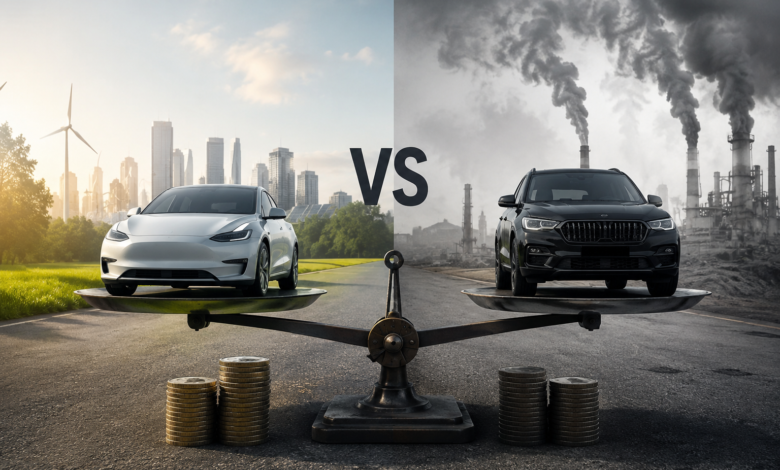
The EV vs diesel UK comparison isn’t as straightforward as comparing the price tags at a dealership. The real cost depends on how many miles you drive annually, where you charge your vehicle, your servicing expenses, and changing government policies.
When comparing electric cars vs diesel cars UK, diesel vehicles usually have a lower upfront purchase price in many segments. However, electric vehicles often compensate for that difference through lower annual running costs and cheaper energy consumption over time.
Looking at the total cost of ownership (TCO), many drivers discover that an electric vehicle becomes more affordable after several years of ownership. Lower maintenance requirements, reduced servicing costs, and savings on fuel all contribute to this advantage.
For drivers covering shorter daily commutes with access to home charging, the electric vehicle cost comparison UK often favours EVs. On the other hand, drivers regularly travelling hundreds of motorway miles may still find diesel more practical depending on charging availability.
Purchase Price: Electric Cars vs Diesel Cars UK
One of the first things buyers notice is the purchase price. Electric vehicles generally cost more upfront because battery technology remains expensive despite falling production costs.
Fortunately, the UK Government continues supporting the transition towards cleaner transport through various policies and investments in charging infrastructure. Organisations such as the Office for Zero Emission Vehicles (OZEV) have encouraged EV adoption by supporting charging installations and improving accessibility.
Although diesel vehicles often remain cheaper to purchase initially, buyers should avoid making decisions based solely on the showroom price. Instead, they should calculate EV ownership costs UK across several years.
Battery electric vehicle (BEV) technology has improved significantly, offering longer driving ranges and better reliability than earlier models. As battery production becomes more efficient, the price difference between electric and diesel vehicles continues to narrow.
Running Costs: EV vs Diesel UK
The biggest difference in the EV vs diesel UK discussion comes from everyday operating expenses.
Electric cars consume electricity instead of diesel fuel, making daily commuting significantly cheaper for many households. Electric car running costs UK are generally lower because electricity usually costs less per mile than diesel, especially when charging overnight at home.
In contrast, diesel car running costs UK depend heavily on diesel fuel prices UK, which fluctuate frequently due to global energy markets and taxation.
Another useful way to compare expenses is through cost per mile UK. Most electric vehicles deliver a lower cost per mile than comparable diesel models when charged at home. Public charging prices UK, however, can reduce some of those savings, particularly when relying on rapid charging stations during long-distance travel.
Drivers often ask whether electric vs diesel savings UK justify the higher purchase price. For many owners covering average annual mileage, the answer becomes increasingly positive after several years of ownership.
Charging Costs vs Diesel Fuel Costs
Charging is one of the biggest considerations when choosing an EV.
Home charging costs remain the most economical option because electricity tariffs during off-peak hours can significantly reduce monthly expenses. Installing a Home EV charger also adds convenience by allowing overnight charging without visiting public stations.
Drivers without home parking may depend more on public charging prices UK. While rapid charging provides excellent convenience during long journeys, it generally costs more than charging at home.
The National Grid continues expanding capacity to support growing EV demand, while charging infrastructure across the UK improves every year. Services such as Zapmap help drivers locate available charging stations, making longer journeys much easier.
Comparing electric car charging vs diesel fuel costs clearly shows that home charging usually offers substantial savings. However, frequent reliance on rapid charging can reduce the financial advantage.
Maintenance and Servicing Costs
Maintenance is another area where the EV vs diesel UK comparison often favours electric vehicles.
Electric cars contain fewer moving mechanical parts than diesel engines. They do not require oil changes, timing belts, fuel filters, or many traditional engine components that require regular replacement.
As a result, electric car maintenance costs are generally lower than diesel car maintenance costs over the lifetime of the vehicle.
That said, owners should not ignore battery replacement cost. Modern EV batteries are designed to last many years, and manufacturers typically provide lengthy warranties. For most drivers, battery replacement is unlikely during normal ownership.
Diesel vehicles, meanwhile, may require additional maintenance involving exhaust treatment systems, turbochargers, injectors, and emissions equipment as mileage increases.
Overall, lower servicing costs make electric vehicles attractive for drivers planning long-term ownership.
Road Tax (VED), Insurance, and Depreciation
Taxation and insurance play a major role in calculating long-term expenses.
Vehicle Excise Duty (VED), commonly known as road tax UK (VED), has changed in recent years as the government updates regulations for electric vehicles and conventional cars. Buyers should always check current rules before making a purchase because tax policies continue evolving.
Insurance costs for EVs can sometimes be higher due to expensive battery components and specialised repair requirements. However, insurance premiums vary depending on location, driving history, and vehicle model.
Another important consideration is vehicle depreciation UK. Historically, electric vehicles experienced faster depreciation because of rapidly changing battery technology. However, as the market matures and demand increases, resale values are becoming more stable.
Resale value depends on battery health, mileage, manufacturer reputation, and overall market demand. Buyers considering electric car vs diesel long-term costs should include depreciation alongside fuel and servicing expenses rather than focusing on one factor alone.
Environmental Impact and CO2 Emissions
Environmental performance has become increasingly important for UK motorists.
Electric vehicles produce zero tailpipe CO2 emissions during driving, helping improve urban air quality. This makes them particularly beneficial in cities operating the Ultra Low Emission Zone (ULEZ), where stricter emissions standards apply.
Diesel engines remain efficient on long-distance journeys but continue producing carbon emissions and nitrogen oxides that contribute to air pollution.
Although electricity generation still creates some emissions, the UK’s energy mix is becoming cleaner each year. Consequently, the overall environmental impact of electric vehicles continues improving.
Drivers who prioritise sustainability alongside long-term savings often find electric vehicles more appealing from both financial and environmental perspectives.
Pros and Cons of EV vs Diesel UK
Every buyer has unique priorities, making it impossible to recommend one solution for everyone.
Electric vehicles offer lower ownership costs, reduced maintenance expenses, quieter driving, lower fuel costs, and impressive efficiency for daily commuting. They also benefit drivers with access to home charging and predictable travel patterns.
Diesel vehicles continue offering excellent motorway efficiency, faster refuelling, and longer uninterrupted driving distances. They remain practical for drivers covering extremely high annual mileage or travelling through areas where charging infrastructure is still developing.
If you’re wondering, “is an EV cheaper than a diesel car in the UK,” the answer depends on your usage. For many households, the EV vs diesel UK cost comparison increasingly favours electric vehicles over several years of ownership.
Likewise, people asking “should I buy an electric or diesel car in the UK” should carefully evaluate annual mileage, charging access, budget, and driving habits before making a final decision.
Drivers frequently travelling on motorways should also assess EV vs diesel for motorway driving UK by considering charging availability along their regular routes.
Which Is Cheaper in the UK? Final Verdict
After examining purchase prices, charging expenses, fuel costs, maintenance, insurance, taxation, depreciation, and environmental impact, the EV vs diesel UK comparison becomes much clearer.
Although diesel vehicles often cost less to buy initially, electric vehicles frequently deliver better long-term value through lower annual running costs, reduced servicing requirements, and lower energy expenses. For drivers with reliable home charging and average yearly mileage, electric cars can generate meaningful long-term savings while reducing environmental impact.
However, diesel still remains a sensible choice for motorists who regularly drive very long motorway distances, require quick refuelling, or lack convenient charging options.
Ultimately, the best decision depends on your driving habits rather than general assumptions. By calculating your own ownership costs over several years, you’ll make a smarter investment that matches both your budget and lifestyle. For many modern drivers, the EV vs diesel UK debate increasingly points toward electric mobility, but the right answer always depends on how and where you drive.
FAQs
1. Is an EV cheaper than a diesel car in the UK?
In many cases, yes. While electric cars usually have a higher purchase price, lower electricity costs, reduced maintenance, and lower servicing expenses often make them cheaper over long-term ownership, especially if you charge at home.
2. What is the biggest advantage of electric cars over diesel vehicles?
The main advantage is lower running costs. Electric vehicles generally have a lower cost per mile, fewer mechanical components requiring maintenance, and produce zero tailpipe emissions, making them economical and environmentally friendly.
3. Are diesel cars still worth buying in the UK?
Yes, they can still be a good option for drivers who travel long motorway distances regularly, need extended driving range, or don’t have reliable access to home charging. However, future regulations and environmental policies should also be considered.
4. Does charging an electric car always cost less than buying diesel?
Not always. Charging at home during off-peak electricity hours is usually much cheaper than buying diesel fuel. However, relying heavily on rapid public chargers can reduce some of the cost advantage.
5. Which vehicle has better long-term value in the UK?
For many drivers, electric vehicles now provide better long-term value because of lower fuel expenses, reduced maintenance, improving resale value, and lower overall ownership costs. The exact savings depend on annual mileage, charging habits, and the specific vehicle chosen.
More EV Car Guides: Read more electric vehicle news, buying guides, reviews, and ownership tips on magazinerock.co.uk.